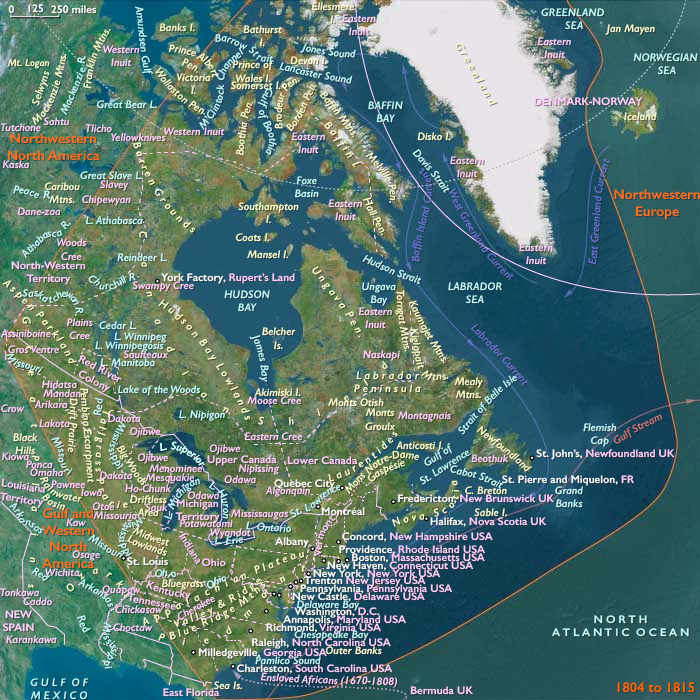
The declaration of the War of 1812…
June 1812 CE
The declaration of the War of 1812 impairs the government's ability to raise money via the sale of long-term bonds, Congress having declined to renew the charter of the First Bank of the United States in 1811.
The United States, having no paper currency nor a Central bank with which to obtain emergency short-term financing, uses its borrowing authority to issue short-term debt in the form of Treasury Notes receivable for public dues or bond purchases.
The Treasury, having thus set the precedent, will go on to irregularly issue such notes up through the Civil War.
Several issues of Treasury Notes will be made from 1812 to 1815.
Most of these notes pay 5 2/5% interest (or 1½ cents per day on a $100 note), mature in one year, and are receivable in payment for public dues.
While $37 million are issued, no more than $17 million are outstanding at any one time.
Five acts authorize these Notes.
The first, on June 20, 1812, authorizes one-year Treasury Notes at 5 2⁄5% interest to fill out the unsubscribed portion of an eleven million dollar loan in support of the war with Britain, which had just been declared on the 18th.
Only about six million dollars of the loan is placed in the form of 6% interest bonds, and thus five million dollars of of Notes are issued.
The Notes are made receivable for all public dues owed the federal government and payable to the order of the owner by endorsement.
Groups
Topics
Regions
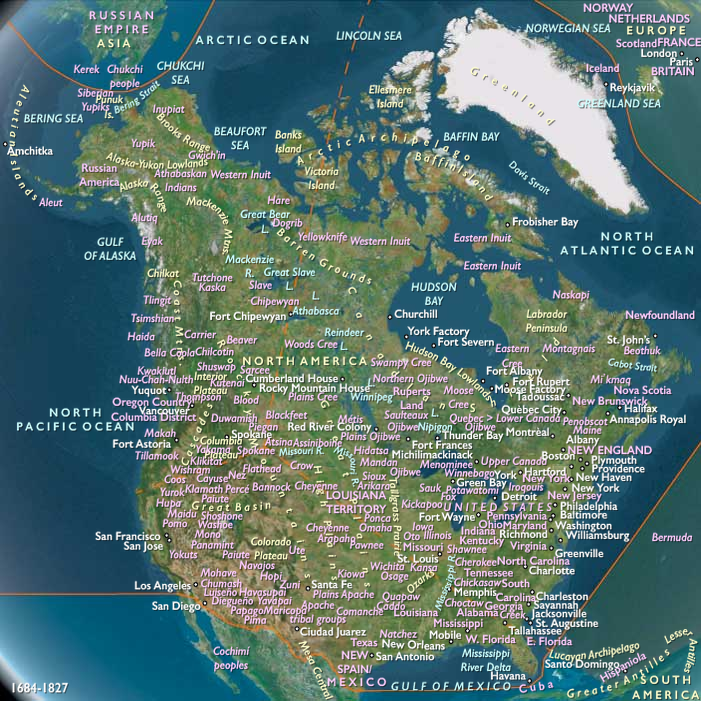
Northern North America
View →Subregions