Cornelis Drebbel, the Dutch inventor of the…
1624 CE
Cornelis Drebbel, the Dutch inventor of the first navigable submarine, has between 1620 and 1624 successfully built and tested two more submarines, each one bigger than the last.
The final (third) model, demonstrated to King James in person and several thousand Londoners, has six oars and can carry sixteen passengers.
The submarine stays submerged for three hours and can travel from Westminster to Greenwich and back, cruising at a depth of from twelve to fifteen feet feet (four to five meters).
Drebbel even takes James in this submarine on a test dive beneath the Thames, making James I the first monarch to travel underwater.
This submarine is tested many times in the Thames, but it will fail to attract enough enthusiasm from the Admiralty and will never be used in combat.
Drebbel had been taught by the alchemist Michael Sendivogius (1566–1636) (perhaps when both were at the court of Rudolf II) that warming niter (potassium nitrate or sodium nitrate) produced oxygen (considered the food of life).
To re-oxygenate the air inside one or more of these submarines, he likely generates oxygen by heating niter in a metal pan to make it emit oxygen.
This would also turn the nitrate into sodium or potassium oxide or hydroxide, which would tend to absorb carbon dioxide from the air around.
That may explain how Drebbel's men are not affected by carbon dioxide buildup as much as would be expected.
If so, he has accidentally made a crude rebreather nearly three centuries before Fluess and Davis.
The most reliable source suggesting the use of oxygen is a note by Robert Boyle.
Boyle will write in 1662 that he had spoken with an excellent mathematician, who was still alive and had been on the submarine, who said that Drebbel had a chemical liquor that would replace that quintessence of air that was able to cherish the vital flame residing in the heart.
Drebbel's most famous written work is Een kort Tractaet van de Natuere der Elementen (A short treatise of the nature of the elements) (Haarlem, 1621).
He is also involved in the invention of mercury fulminate, having found out that mixtures of “spiritus vini” with mercury and silver in “aqua fortis” could explode.
Drebbel also invents a chicken incubator and a mercury thermostat that automatically keeps it at a constant temperature.
This is one of the first recorded feedback-controlled devices.
He also develops and demonstrates a working air conditioning system.
The invention of a working thermometer is also ascribed to Drebbel.
Locations
People
Topics
Regions
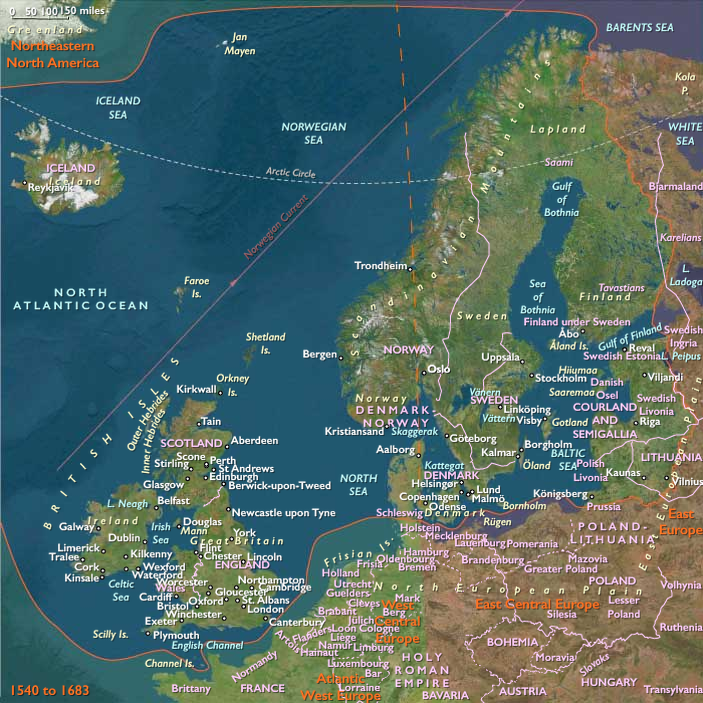
North Europe
View →Subregions