Curling—bowling a stone with a handle toward…
1551 CE
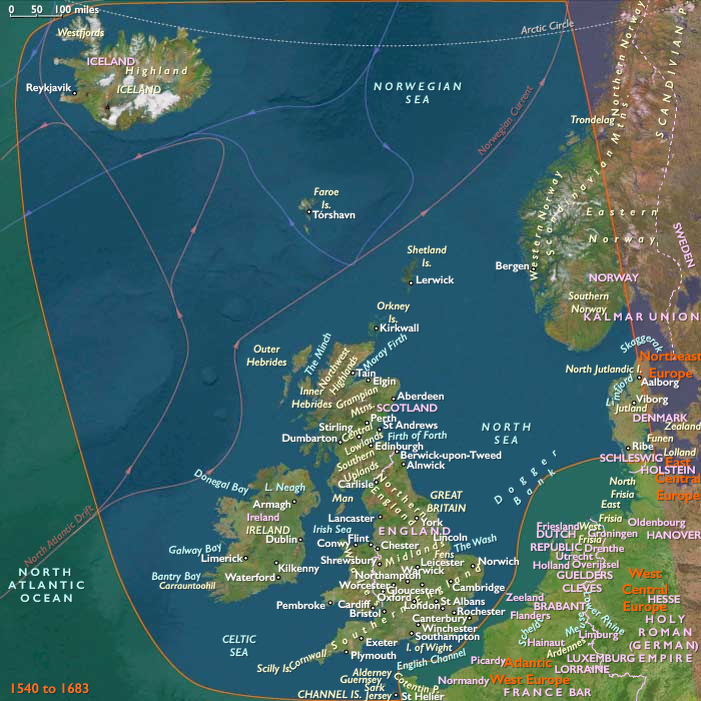
Curling—bowling a stone with a handle toward a target laid out on ice—is thought to have been invented in Scotland, with the first written reference to a contest using stones on ice appearing in February 1541 in the records of Paisley Abbey, Renfrewshire.
Two paintings (both dated 1565) by Pieter Bruegel the Elder depict Dutch peasants curling—Scotland and the Low Countries have strong trading and cultural links during this period, which is also evident in the history of golf.
Evidence that curling exists in Scotland in the early sixteenth century includes a curling stone inscribed with the date 1511, uncovered along with another bearing the date 1551 when an old pond is later drained at Dunblane, Scotland.
Related to bowls, boule and shuffleboard, a great deal of strategy and teamwork goes into choosing the ideal path and placement for each situation, the skills of the curlers determining how close to the desired result the stone will achieve.
This gives today’s game, officially added to the Olympics in 1998, its nickname of "Chess On Ice".
Images

Pieter Brueghel the Younger: Winter Landscape with a Bird Trap (1565). Oil on oak board; 39 × 57 cm (15.4 × 22.4 in); Kunsthistorisches Museum, Gemäldegalerie
Topics
Subjects
Regions
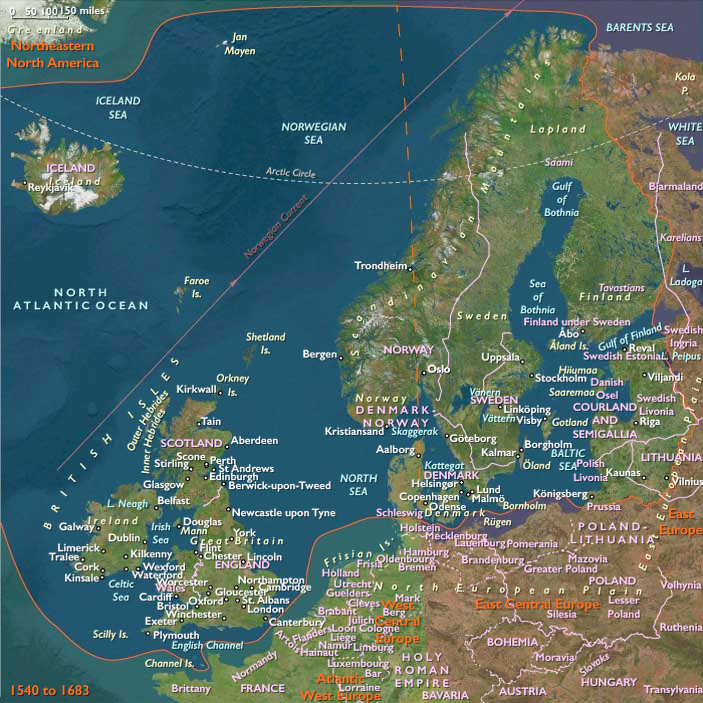
North Europe
View →Subregions