
Eastern Southeast Europe (909–766 BCE): Consolidation and …
Years: 909BCE - 766BCE
Eastern Southeast Europe (909–766 BCE): Consolidation and Cultural Flourishing
Settlement and Migration Patterns
Expansion of Thracian Influence
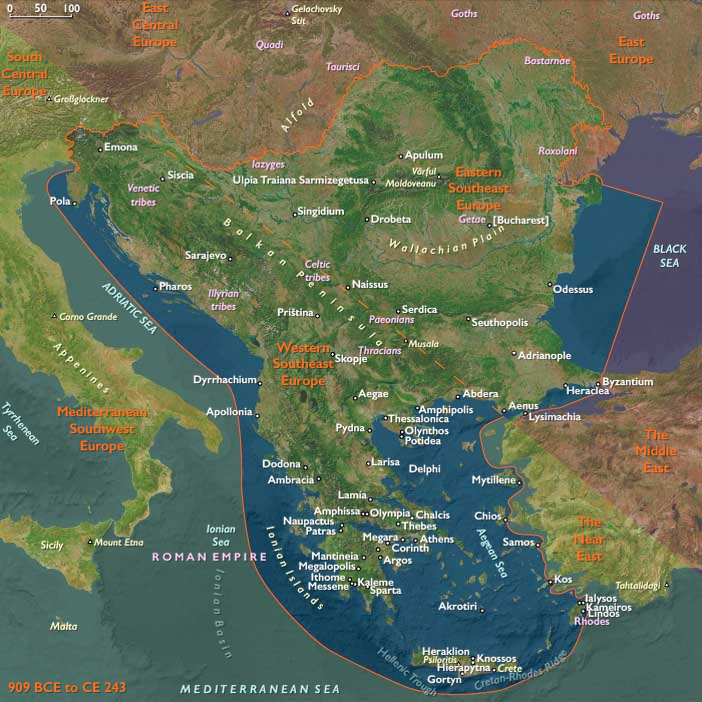
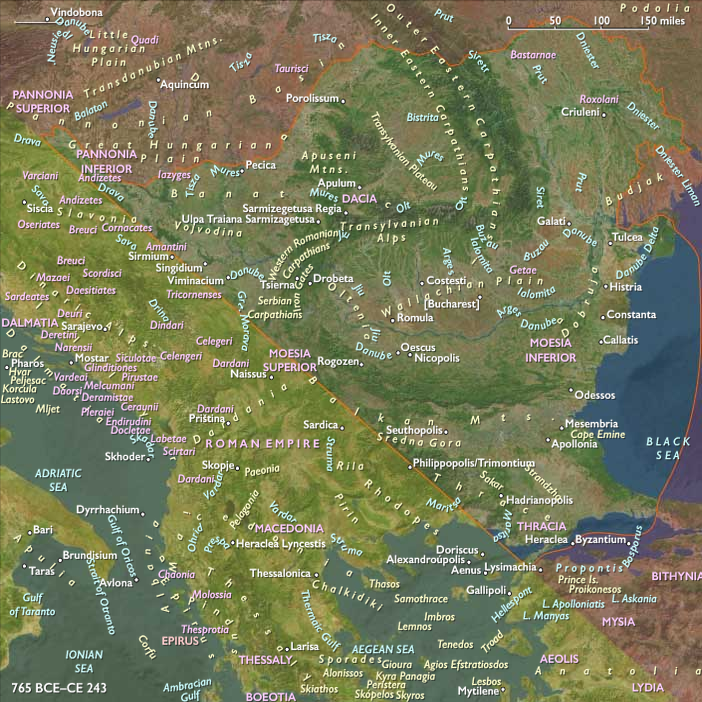
During 909–766 BCE, Thracian communities significantly expanded their territories throughout present-day Bulgaria, Romania, and parts of northern Greece. Thracian tribes solidified their cultural identities by establishing fortified settlements, demonstrating increasing sophistication in local governance and societal organization.
Greek Colonization in the Aegean Region
This period witnessed the beginnings of notable Greek colonization along the Aegean coastline and the northern shores of the Black Sea. These initial colonies facilitated significant cultural exchanges, interregional trade, and economic interactions between the incoming Greeks and indigenous Thracian populations.
Economic and Technological Developments
Intensified Agricultural Production
Advancements in cultivation techniques, irrigation methods, and land management practices significantly boosted agricultural output. The enhanced productivity supported population growth and the emergence of increasingly complex Thracian societies and Greek colonies.
Advancement in Metalworking
Metallurgical practices improved considerably during this era. Regional artisans crafted intricate bronze weaponry, tools, and ornamental items, contributing to Thracian metalwork's widespread recognition for exceptional craftsmanship and detailed artistry.
Cultural and Artistic Developments
Distinctive Thracian Art, Appearance, and Craftsmanship
Artistic expression flourished, marked by distinct Thracian styles, particularly in pottery, jewelry, and weaponry. These items frequently featured complex geometric patterns and symbolic motifs, reflecting societal beliefs, social status, and cultural identity. Additionally, ancient Greek artwork and literature often depicted Thracians as having distinctive physical traits, notably red hair, with multiple sources—including Xenophanes, Hecataeus of Miletus, and Galen—describing them as blue-eyed and red-haired. Several Thracian graves or tombstones bear the name Rufus, meaning "redhead," further underscoring this noteworthy cultural characteristic. The Thracian King Rhesus, mentioned in Homer's Iliad, was famously depicted with red hair and beard, symbolizing the distinct identity recognized by contemporary Greeks.
Development of Greek Artistic Styles
Greek colonists introduced artistic traditions that gradually incorporated indigenous Thracian influences. This synthesis was evident in pottery, sculpture, and architectural elements, laying essential foundations for classical Greek artistic and cultural traditions.
Social and Religious Developments
Emergence of Complex Political Entities
The Thracian tribes and Greek colonies experienced increased societal complexity, developing centralized leadership structures and hierarchical governance frameworks. These organized political systems facilitated effective community management, territorial control, and cohesion.
Religious Leadership and Rituals
Thracian tribes were headed by chieftains who held significant religious responsibilities. Their roles were comparable to those of Brahmins in India, Magi in Persia, and Druids in Ireland, indicating an Indo-European continuity in societal structure and religious practices. These chieftain-priests oversaw complex rituals and maintained sacred sites, reinforcing communal bonds and social order.
Long-Term Consequences and Historical Significance
The age from 909 to 766 BCE represented a vital period of territorial expansion, cultural integration, and economic prosperity in Eastern Southeast Europe. The developments during this era significantly shaped the region's subsequent historical trajectory, laying enduring foundations for future cultural, political, and economic stability.
Groups
Topics
Commodoties
Subjects
Regions
Subregions
Years: 909BCE - 766BCE
Groups
Topics
Commodoties
Subjects
Regions
Subregions