
…Dubrovna. Sigismund has meanwhile gathered some thirty-five …
Years: 1514 - 1514
August
…Dubrovna.
Sigismund has meanwhile gathered some thirty-five thousand troops for war with his eastern neighbor.
This army is inferior in numbers, but consists mostly of well-trained cavalry.
The forces of the Grand Duchy of Lithuania and the Kingdom of Poland placed under the command of Hetman Konstanty Ostrogski include sixteen thousand Lithuanian cavalry, fourteen thousand Polish cavalry (light and heavy), three thousand Polish mercenary infantry, and twenty-five hundred volunteers, mostly from Bohemia.
Sigismund leaves four thousand to five thousand men in the town of Barysau, while the main force, around thirty thousand strong, moves on to face the Muscovites.
Several skirmishes at the end of August take place at the crossings of the Berezina, Bobr and Drut Rivers, but the Muscovite army avoids a major confrontation.
Locations
People
- Albert of Prussia
- Konstanty Ostrogski
- Maximilian I of
- Sigismund I (”the Old”) Jagiello
- Vasili III of Russia
Groups
- Lithuanians (Eastern Balts)
- Poles (West Slavs)
- Czechs [formerly Bohemians] (West Slavs)
- Russians (East Slavs)
- Moscow, Grand Principality of
- Tatars
- Poland of the Jagiellonians, Kingdom of
- Lithuania, Grand Duchy of
- Holy Roman Empire
- Teutonic Knights of Prussia, or Monastic state of the Teutonic Knights (House of the Hospitalers of Saint Mary of the Teutons in Jerusalem)
Topics
Commodoties
Subjects
Regions
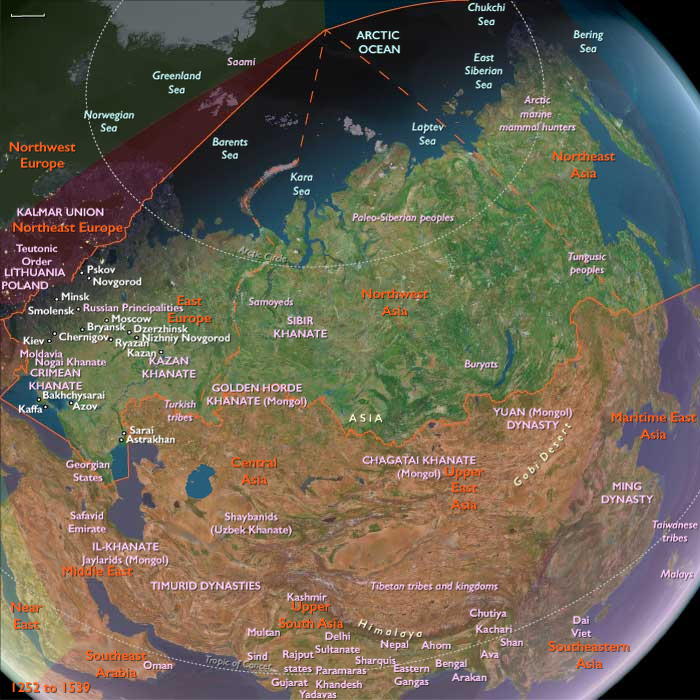
Subregions
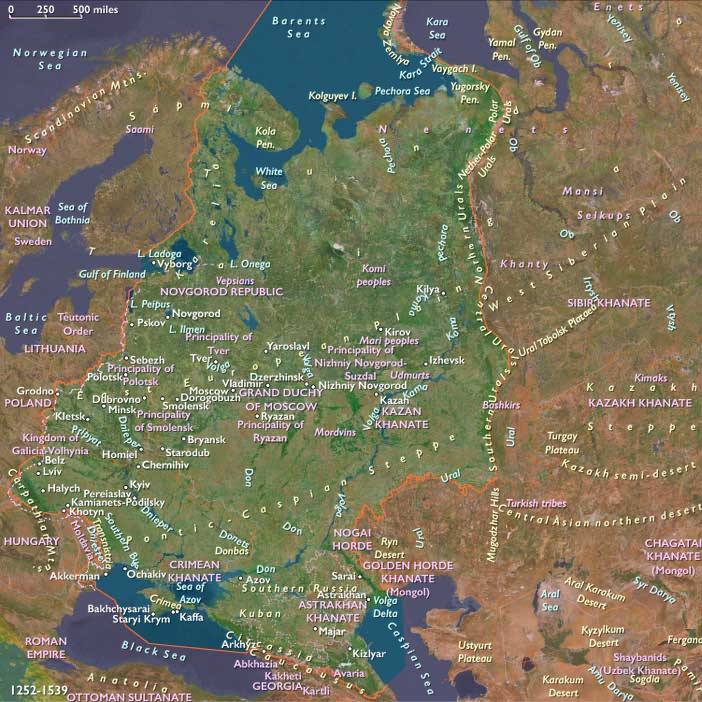
Related Events
Showing 10 events out of 39167 total
Years: 1514 - 1514
August
Locations
People
- Albert of Prussia
- Konstanty Ostrogski
- Maximilian I of
- Sigismund I (”the Old”) Jagiello
- Vasili III of Russia
Groups
- Lithuanians (Eastern Balts)
- Poles (West Slavs)
- Czechs [formerly Bohemians] (West Slavs)
- Russians (East Slavs)
- Moscow, Grand Principality of
- Tatars
- Poland of the Jagiellonians, Kingdom of
- Lithuania, Grand Duchy of
- Holy Roman Empire
- Teutonic Knights of Prussia, or Monastic state of the Teutonic Knights (House of the Hospitalers of Saint Mary of the Teutons in Jerusalem)
Topics
Commodoties
Subjects
Regions
Subregions