Northeastern Eurasia
Related Events
Showing 10 events out of 67 total
The Moderns are taller, more slender, and less muscular than the Neanderthals, with whom they share—perhaps uneasily—the Earth.
Though their brains are smaller in overall size, they are heavier in the forebrain, a difference that may allow for more abstract thought and the development of complex speech.
Yet, the inner world of the Neanderthals remains a mystery—no one knows the depths of their thoughts or how they truly expressed them.
The Upper Paleolithic (also spelled Upper Palaeolithic) is the final subdivision of the Paleolithic (Old Stone Age), as defined in Europe, Africa, and Asia.
Broadly dating between 40,000 and 10,000 years ago, this period coincides with the emergence of behavioral modernity and predates the development of agriculture.
The terms "Late Stone Age" and "Upper Paleolithic" refer to the same time period. However, due to historical conventions, "Stone Age" is more commonly used in reference to Africa, while "Upper Paleolithic" is typically applied to Europe.
The End of the Mousterian Pluvial and the Influence of the Laurentide Ice Sheet
The same climatic influences that had created the Mousterian Pluvial—a period of increased rainfall that transformed North Africa into a more hospitable environment—also appear to have contributed to its decline. During its peak development, between 30,000 and 18,000 years ago, a major shift in global climate patterns was driven by the expansion of the Laurentide Ice Sheet in North America.
The Laurentide Ice Sheet and Its Impact on Global Climate
- The Laurentide Ice Sheet, which covered vast portions of North America, reached an altitude of 1,750 meters (more than one mile), altering atmospheric circulation on a large scale.
- Its massive size allowed it to generate its own long-term weather patterns, which had far-reaching effects on the Northern Hemisphere’s climate.
The Jet Stream Split and the Return to Aridity
- The jet stream, the high-altitude air current that controls weather systems, was disrupted by the Laurentide Ice Sheet, causing it to split into two branches.
- This new dominant weather pattern resulted in harsher climatic conditions in multiple regions, including Central Asia and the Middle East.
- In North Africa, the climate began shifting away from the humid conditions of the Mousterian Pluvial, leading to a return of aridity.
Consequences for Human and Ecological Landscapes
- As rainfall decreased, lakes and rivers that had once supported human populations and wildlife began to dry up.
- This change forced human groups to migrate, seeking more sustainable environments, while desertification expanded across the Sahara.
- The end of the Mousterian Pluvial marks an important transition in prehistoric climate history, as it reshaped the ecosystems of North Africa and surrounding regions, influencing the movements and adaptations of early human populations.
These climatic shifts, triggered by glacial expansion in the Northern Hemisphere, demonstrate the interconnected nature of global climate systems, showing how distant geological events could dramatically alter environments thousands of kilometers away.
Neanderthals disappear near the beginning of this period, leaving Homo sapiens as the sole surviving hominin species—unless, as some legends suggest, cryptids like the Almas, Yeti, or Sasquatch represent unknown relict populations.
The question remains: Did Neanderthals truly go extinct, or did they interbreed with early modern humans, contributing to the genetic lineage of Homo sapiens sapiens?
Recent evidence from Iberia, including the careful burial of a boy exhibiting both Neanderthal and modern human traits, suggests that interbreeding did occur—at least in some cases—rather than complete extinction.
The Last Glacial Maximum (LGM) refers to the time of maximum extent of the ice sheets during the last glacial period, between twenty-six thousand five hundred and nineteen thousand to twenty thousand years ago.
The Younger Dryas will follow the Last Glacial Maximum.
Ice sheets cover the whole of Iceland and all but the southern extremity of the British Isles.
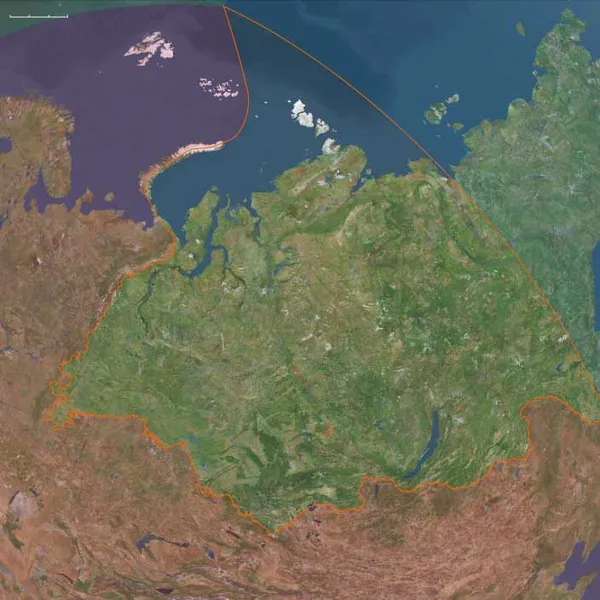
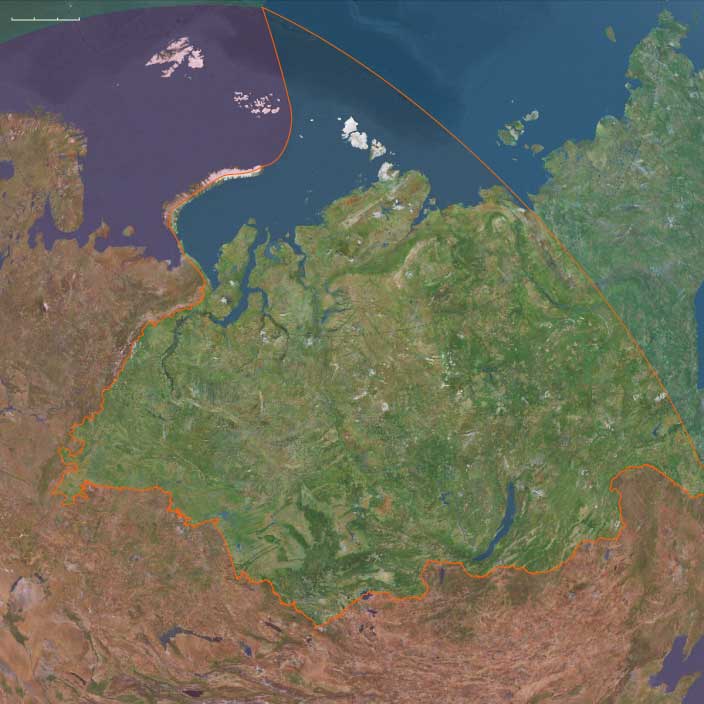
This ice extends northward to cover Svalbard and Franz Josef Land and eastward to occupy the northern half of the West Siberian Plain, ending at the Taymyr Peninsula, and damming the Ob and Yenisei rivers forming a West Siberian Glacial Lake.
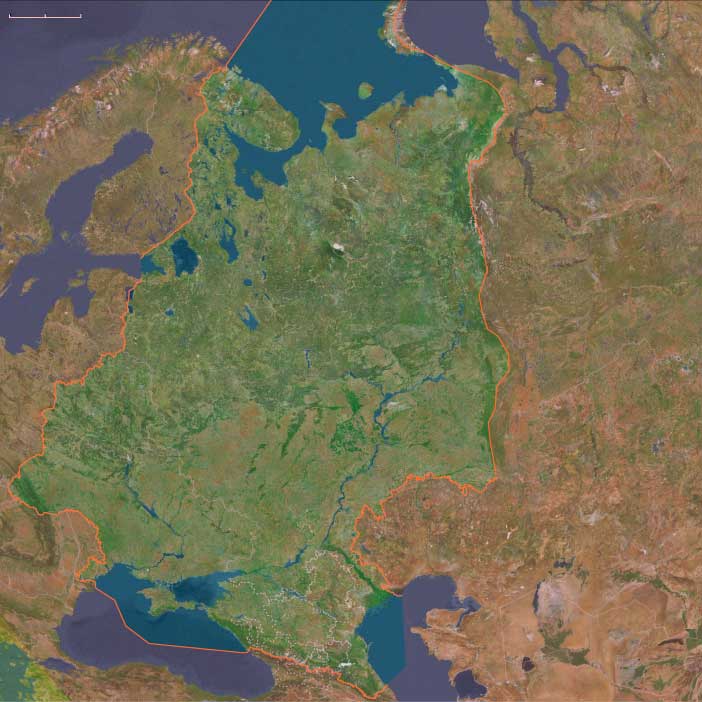
Northern Europe is largely covered, the southern boundary passing through Germany and Poland, but not quite joined to the British ice sheet.
Permafrost covers Europe south of the ice sheet down to present-day Szeged and Asia down to Beijing.
The ice covers essentially all of Canada and extends roughly to the Missouri and Ohio Rivers, and eastward to New York City.