Federal finances had deteriorated as the war…
February 1815 CE
Federal finances had deteriorated as the war dragged on, and banks outside New England had suspended specie payment on August 31, 1814.
The value of the Treasury Notes falls below that of specie.
New England states are unsympathetic to the war and when the government had attempted to withdraw deposits from a Boston bank to make interest payments on October 1, 1814, the bank had taken the position that it could tender Treasury Notes to the government which were then rejected by the holders of the government bonds who expected payment in specie.
These developments lead to changes in the final Treasury Note act of the era, signed on February 24, 1815.
These last notes are divided into large ($100 and over) and small (under $100) denominations, and do not expire at any predetermined time.
The large notes pay interest as before, at 52⁄5% per annum, but can also be used to purchase 6 percent interest bonds at par (i.e., are fundable into the bonds) as a way of supporting their value.
Groups
Topics
Commodities
Subjects
Regions
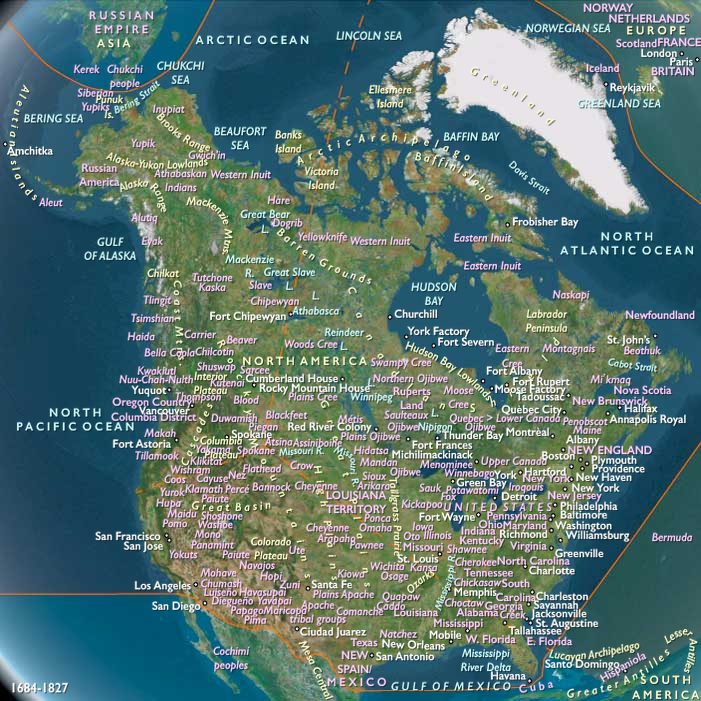
Northern North America
View →Subregions