
East Europe (1624–1635 CE): Consolidation under the …
Years: 1624 - 1635
East Europe (1624–1635 CE): Consolidation under the Early Romanovs
Political and Military Developments
Stabilization and Governance Reforms
Between 1624 and 1635 CE, the Romanov dynasty continued to consolidate political control and administrative stability. Tsar Michael Romanov's governance was marked by methodical reforms aimed at enhancing efficiency, reducing corruption, and centralizing authority.
Diplomatic Engagements and Regional Peace
Muscovy maintained careful diplomatic relations with its neighbors, particularly Poland-Lithuania and Sweden, aiming to avoid renewed hostilities. Strategic marriages and treaties supported regional peace and Muscovite sovereignty.
Military Preparedness and Border Security
Muscovy prioritized military preparedness, continuing to enhance border defenses and fortifications. Military tactics evolved, reflecting the necessity for preparedness against potential threats, and further solidifying territorial integrity.
Economic and Technological Developments
Economic Stability and Growth
The economy continued its recovery, bolstered by renewed trade and commerce. Urban centers, notably Moscow and key trade cities, experienced steady growth and economic prosperity due to stable governance and efficient management of resources.
Technological and Infrastructure Development
Technological advancements persisted, particularly in military infrastructure and urban development. Enhanced fortification construction and improvements in transportation infrastructure supported trade and security.
Cultural and Artistic Developments
Continued Cultural Flourishing
Cultural and artistic patronage by the Romanov dynasty facilitated ongoing developments in architecture, religious art, and secular cultural expressions. Muscovy’s cultural identity strengthened through significant creative achievements.
Intellectual and Literary Contributions
Intellectual and literary activities remained robust, with chroniclers and scholars extensively documenting political developments, social changes, and cultural achievements, thus reinforcing historical consciousness and regional identity.
Settlement Patterns and Urban Development
Urban Expansion and Development
Cities continued to grow and expand, supported by systematic urban planning, improved infrastructure, and enhanced administrative oversight. Moscow and other major urban areas experienced increased population growth and economic activity.
Enhanced Fortifications and Urban Security
Continued improvements in urban fortifications ensured robust defenses, providing essential security and stability amidst regional diplomatic and military dynamics.
Social and Religious Developments
Strengthening Social Cohesion
Societal cohesion improved as administrative reforms facilitated more effective governance. The integration of diverse ethnic communities remained a priority, enhancing administrative unity and social harmony.
Orthodox Church’s Enduring Influence
The Orthodox Church continued to play a pivotal societal role, influencing education, social values, and community cohesion, thus significantly contributing to overall stability and cultural continuity.
Long-Term Consequences and Historical Significance
The era from 1624 to 1635 CE saw significant consolidation under the early Romanovs, marked by political stabilization, economic prosperity, and cultural achievements. These developments provided essential groundwork for the long-term growth, governance effectiveness, and cultural enrichment of the Russian state.
People
Groups
- Christians, Eastern Orthodox
- Moscow, Grand Principality of
- Sweden, (second) Kingdom of
- Polish-Lithuanian Commonwealth (Commonwealth of the Two Nations)
Subjects
Regions
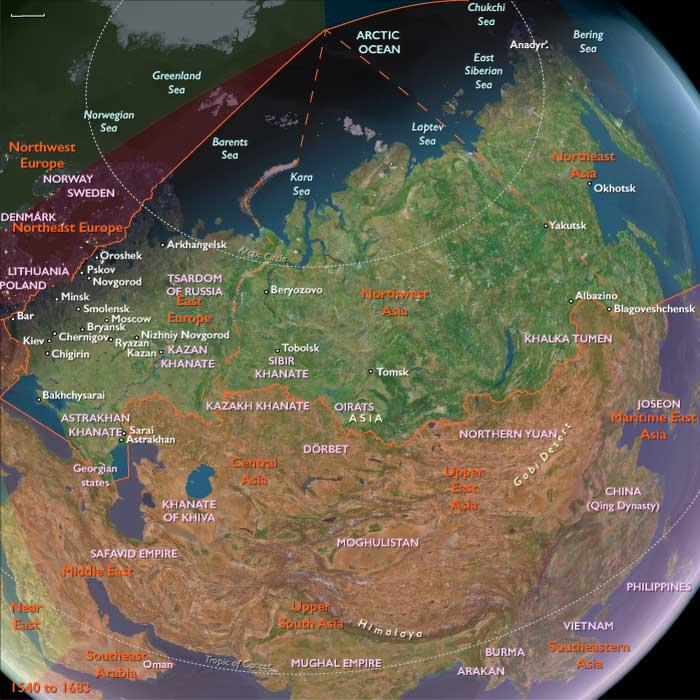
Subregions
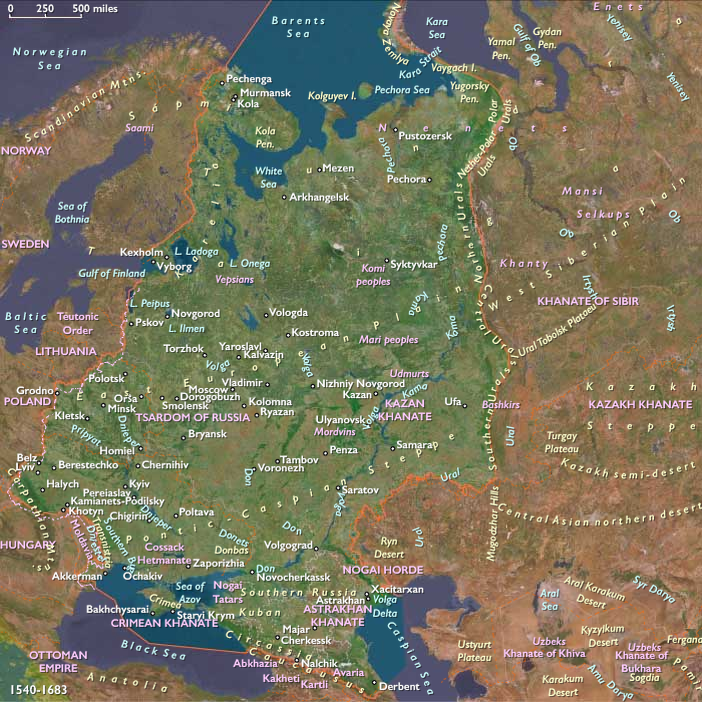
Related Events
Showing 10 events out of 32911 total
Years: 1624 - 1635
People
Groups
- Christians, Eastern Orthodox
- Moscow, Grand Principality of
- Sweden, (second) Kingdom of
- Polish-Lithuanian Commonwealth (Commonwealth of the Two Nations)
Subjects
Regions
Subregions