
Eastern Southeast Europe (712–723 CE): Fortification and …
Years: 712 - 723
Eastern Southeast Europe (712–723 CE): Fortification and Imperial Triumph
Settlement and Migration Patterns
Continued Stability Amid Persistent Threats
From 712 to 723 CE, Eastern Southeast Europe experienced continued stability within settled regions despite relentless external threats. The integration and cultural cohesion between Slavic and Bulgar populations persisted, reinforcing demographic stability.
Political and Military Developments
Escalation of Arab Raids
Arab raids intensified significantly from 712 onward, penetrating deeper into Anatolia with the strategic objective of eventually attacking Constantinople itself. These incursions posed severe threats to imperial security and territorial integrity.
Emperor Anastasios’ Fortifications
Recognizing the escalating threat, Emperor Anastasios commissioned extensive military fortifications in and around Constantinople. These preparations were critical in bolstering the city's defenses against anticipated Arab attacks.
Second Arab Siege of Constantinople (717–718 CE)
Following internal instability triggered by the second deposition of Emperor Justinian II, the Arabs launched a renewed and determined siege of Constantinople by both land and sea in 717. The successful repulsion of this siege in 718 marked a significant triumph for the empire, effectively halting Arab offensives for several subsequent years and reasserting Byzantine strategic dominance.
Economic and Technological Developments
Economic Resilience and Resource Allocation
Despite ongoing military pressures, the regional economy demonstrated resilience through strategic resource allocation and sustained trade networks. Constantinople’s enhanced fortifications and defenses played a vital role in safeguarding economic stability.
Advanced Defensive Strategies
The era witnessed continued development in defensive strategies and technologies, particularly in naval warfare and urban fortifications. These innovations proved decisive in successfully repelling the major Arab siege.
Cultural and Artistic Developments
Cultural Continuity Amid Conflict
Cultural and artistic expressions continued to flourish, sustaining regional identity and spiritual resilience. The religious and artistic innovations established in earlier periods persisted, further embedding Byzantine cultural heritage.
Scholarly and Intellectual Persistence
Intellectual institutions remained dedicated to preserving classical and theological knowledge. These scholarly efforts continued uninterrupted, reinforcing the cultural and educational foundations of the region.
Social and Religious Developments
Consolidation of Eastern Orthodoxy
Eastern Orthodox Christianity solidified its central role within society, providing moral and social cohesion amid ongoing military threats. Religious institutions continued to play an influential role in community resilience and spiritual guidance.
Reinforced Community Identity
The successful defense of Constantinople in 718 strengthened communal identity and regional pride, reinforcing societal cohesion and resilience during periods of conflict.
Long-Term Consequences and Historical Significance
The period from 712 to 723 CE was marked by critical military challenges, including the significant Arab siege of Constantinople and its successful repulsion, thanks to extensive fortifications and strategic defense preparations by Emperor Anastasios. These events decisively shaped the regional geopolitical landscape, reinforced imperial authority, and provided lasting stability for Eastern Southeast Europe.
People
Groups
- Arab people
- Thrace, Theme of
- Bulgars
- Slavs, South
- Christianity, Chalcedonian
- Islam
- Thracesian Theme
- Bulgarian Empire (First)
- Bulgarians (South Slavs)
- Roman Empire, Eastern: Non-dynastic
Topics
Commodoties
Subjects
Regions
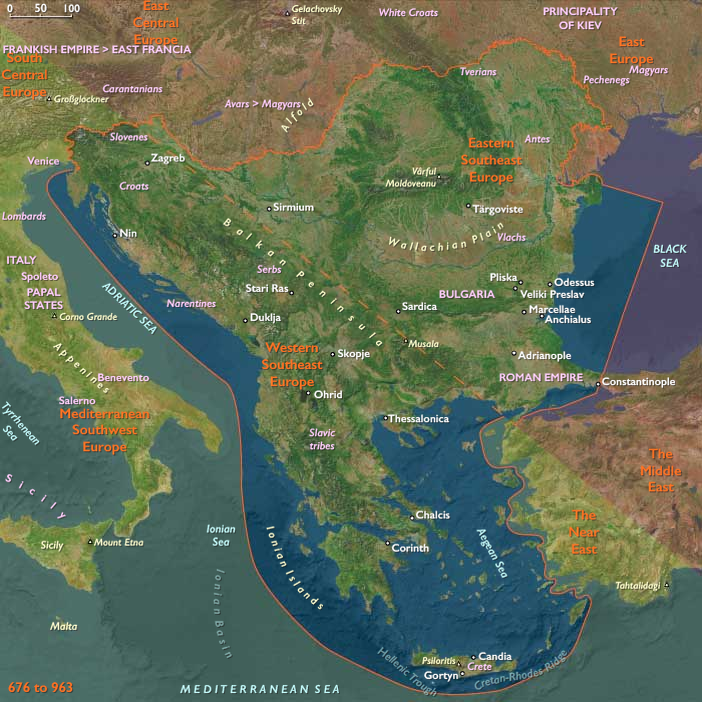
Subregions
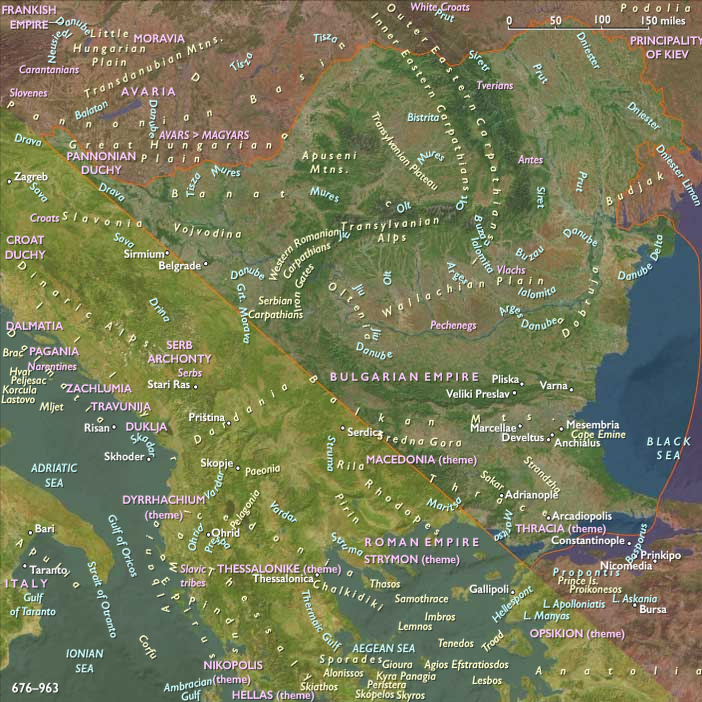
Related Events
Showing 7 events out of 7 total
Years: 712 - 723
People
Groups
- Arab people
- Thrace, Theme of
- Bulgars
- Slavs, South
- Christianity, Chalcedonian
- Islam
- Thracesian Theme
- Bulgarian Empire (First)
- Bulgarians (South Slavs)
- Roman Empire, Eastern: Non-dynastic
Topics
Commodoties
Subjects
Regions
Subregions