
Eastern Southeast Europe (748–759 CE): Military Campaigns …
Years: 748 - 759
Eastern Southeast Europe (748–759 CE): Military Campaigns and Strategic Gains
Settlement and Migration Patterns
Strategic Population Relocation
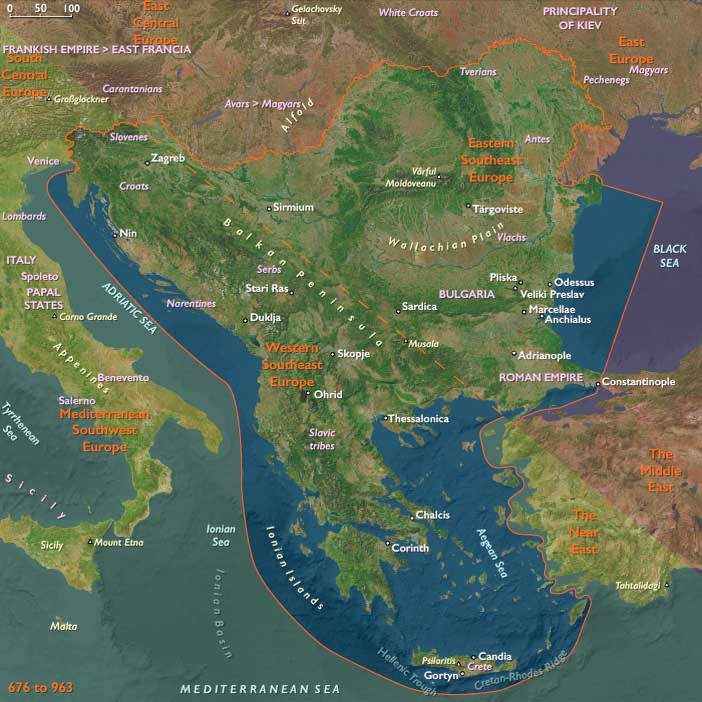
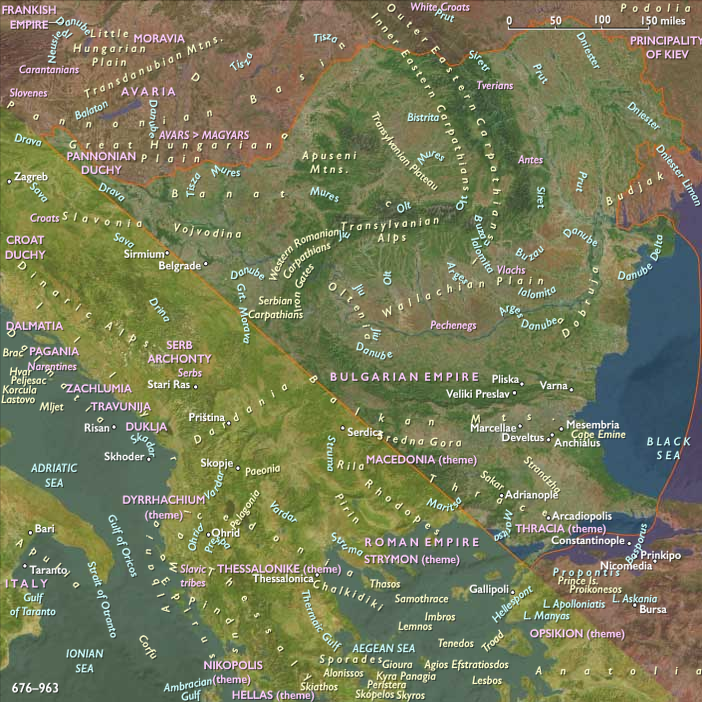
From 748 to 759 CE, Eastern Southeast Europe saw the strategic relocation of populations, notably prisoners captured in victorious campaigns in northern Syria being settled in Thrace. These relocations were intended to reinforce military preparedness and territorial stability against regional threats, particularly the Bulgars.
Political and Military Developments
Constantine V’s Military Leadership
Emperor Constantine V spent much of his life, both before and after his accession as sole ruler, engaged in largely successful military campaigns. His reign featured consistent confrontations with Arab forces and Bulgar tribes, which posed significant threats to imperial security. Early in his reign, Constantine capitalized on internal Muslim conflicts, particularly the struggle between the 'Abbasids and Umayyads for control of the caliphate, to secure notable victories.
Victories in Northern Syria
Constantine V achieved significant military successes in northern Syria, weakening Arab influence and capturing numerous prisoners. These prisoners were strategically relocated to Thrace, strengthening the empire's frontier defenses and enhancing preparations for subsequent military engagements against the Bulgarians.
Economic and Technological Developments
Economic Stability through Military Success
Economic stability was reinforced by Constantine V's successful military campaigns, which secured critical trade routes and territories. This military effectiveness enhanced overall regional economic resilience and prosperity.
Strengthened Defensive Infrastructure
Constantine V continued to prioritize and enhance defensive infrastructures, particularly in frontier regions like Thrace, preparing for potential conflicts and ensuring sustained regional security.
Cultural and Artistic Developments
Continued Cultural Flourishing
Cultural and artistic activities continued to thrive despite ongoing military engagements. The stability achieved through military victories allowed for continued investment in religious and cultural institutions, supporting sustained regional identity and resilience.
Intellectual Preservation
Intellectual and scholarly communities maintained their efforts in preserving classical and theological knowledge, contributing to ongoing educational and cultural resilience during this period of military focus.
Social and Religious Developments
Reinforced Eastern Orthodox Identity
Eastern Orthodoxy continued to deepen its influence within society, shaping communal cohesion and regional identity. The ongoing strength and presence of religious institutions provided essential societal stability amidst frequent military campaigns.
Ongoing Iconoclast Controversy
Despite Constantine V’s military successes, religious tensions over Iconoclasm persisted, especially within monastic circles. The ongoing theological debates significantly influenced the social dynamics and religious discourse of the era.
Long-Term Consequences and Historical Significance
The period from 748 to 759 CE was characterized by Emperor Constantine V’s strategic military leadership and territorial consolidation. His successful campaigns against external threats, combined with strategic population movements, significantly reinforced imperial defenses and stability, shaping the region's future political and military trajectory.
People
Groups
- Arab people
- Thrace, Theme of
- Bulgars
- Slavs, South
- Christianity, Chalcedonian
- Islam
- Thracesian Theme
- Bulgarian Empire (First)
- Bulgarians (South Slavs)
- Roman Empire, Eastern: Isaurian dynasty
- Umayyad Caliphate (Harran)
- Abbasid Caliphate (Kufa)
Topics
- Migration Period
- Migration Period Pessimum
- Arab-Byzantine Wars
- Iconoclastic period, first
- Akroinon, Battle of
Commodoties
Subjects
Regions
Subregions
Years: 748 - 759
People
Groups
- Arab people
- Thrace, Theme of
- Bulgars
- Slavs, South
- Christianity, Chalcedonian
- Islam
- Thracesian Theme
- Bulgarian Empire (First)
- Bulgarians (South Slavs)
- Roman Empire, Eastern: Isaurian dynasty
- Umayyad Caliphate (Harran)
- Abbasid Caliphate (Kufa)
Topics
- Migration Period
- Migration Period Pessimum
- Arab-Byzantine Wars
- Iconoclastic period, first
- Akroinon, Battle of
Commodoties
Subjects
Regions
Subregions