
Eastern Southeast Europe (856–867 CE): Ecclesiastical Schism …
Years: 856 - 867
Eastern Southeast Europe (856–867 CE): Ecclesiastical Schism and Military Challenges
Settlement and Migration Patterns
Stability Amid Ecclesiastical and Military Tensions
From 856 to 867 CE, Eastern Southeast Europe experienced demographic stability, even as the region was influenced by significant religious and military events. Settlements continued consolidating, maintaining cohesion despite broader geopolitical tensions.
Political and Military Developments
Rus'-Byzantine Conflict (860 CE)
The period witnessed the significant Rus'-Byzantine War of 860, the only major recorded military expedition of the Rus' Khaganate in Byzantine and Western European sources. The Rus', taking advantage of Byzantine preoccupation with Arab conflicts, launched a surprise attack on Constantinople. Although the exact outcome remains unclear, Byzantine sources indicate a retreat by the Rus', attributed in later tradition to miraculous intervention by the Theotokos, thus enhancing religious sentiment and historical narrative.
Economic and Technological Developments
Economic Resilience Amid External Threats
Despite the military disruptions, the regional economy remained resilient, supported by stable trade networks and fortified infrastructure. Strategic fortifications continued to play a crucial role in protecting economic interests from external threats.
Ongoing Fortification Efforts
Continued enhancements in military fortifications, particularly around Constantinople and frontier areas, ensured regional stability and protection against sudden military incursions, such as the Rus' attack.
Cultural and Artistic Developments
Continued Cultural Flourishing
Cultural and artistic endeavors continued to thrive, supported by regional stability and institutional resilience. Despite external pressures, Byzantine cultural revival continued to advance scholarly and literary production, fostering cultural continuity.
Scholarly Persistence
Educational institutions and scholarly communities maintained active roles in preserving and promoting classical and theological traditions, further enriching regional cultural identity and intellectual resilience.
Social and Religious Developments
The Photian Schism
The prominent ecclesiastical event during this era was the Photian Schism, a four-year rupture between the episcopal sees of Rome and Constantinople. The schism arose primarily from disputes over ecclesiastical jurisdiction in the southern Balkans and was intensified by personal conflicts between Pope Nicholas I and Patriarch Photios, both elected in 858. Unlike later disputes, the Photian Schism centered around jurisdictional authority rather than accusations of heresy, significantly shaping ecclesiastical politics and relations between East and West.
Strengthening of Religious Institutions
Despite the schism, Eastern Orthodox institutions continued playing a central role in societal cohesion, influencing social and religious practices throughout the period. This ecclesiastical resilience reinforced regional stability and community identity.
Long-Term Consequences and Historical Significance
The era from 856 to 867 CE was defined by significant religious and military events, notably the Photian Schism and the Rus' military expedition against Constantinople. These developments critically shaped ecclesiastical politics, regional military strategy, and the religious-cultural identity of Eastern Southeast Europe, leaving enduring historical impacts.
People
Groups
- Thrace, Theme of
- Christianity, Chalcedonian
- Rus' Khaganate
- Roman Empire, Eastern: Phrygian or Armorian dynasty
- Rus' people
Topics
Commodoties
Subjects
Regions
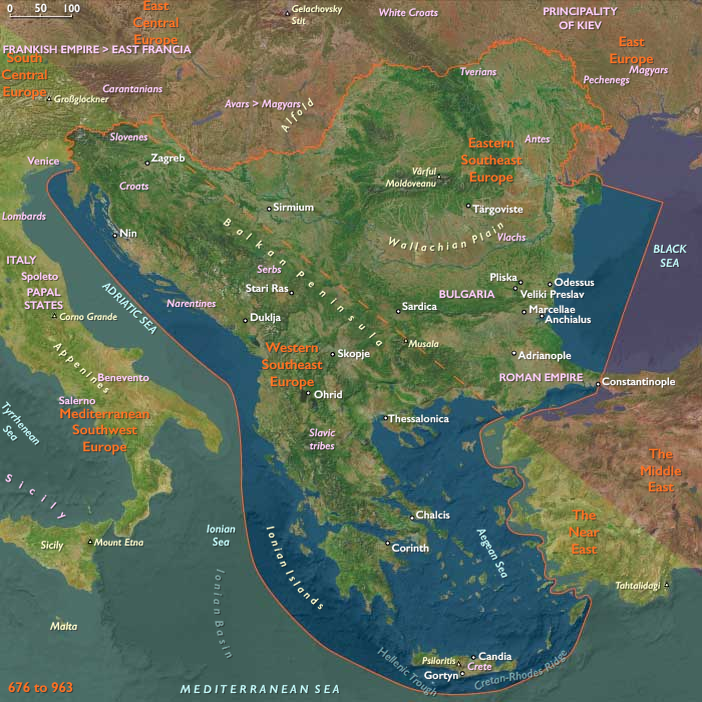
Subregions
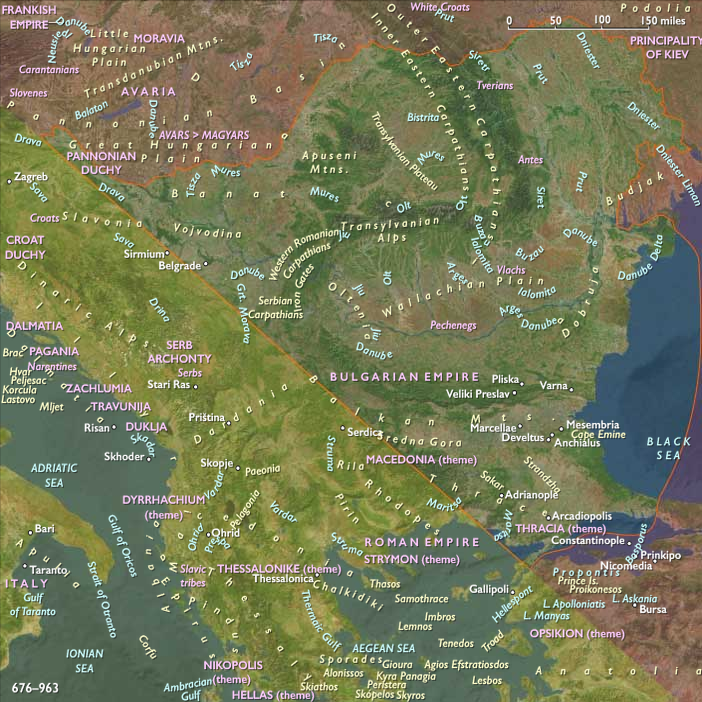
Years: 856 - 867
People
Groups
- Thrace, Theme of
- Christianity, Chalcedonian
- Rus' Khaganate
- Roman Empire, Eastern: Phrygian or Armorian dynasty
- Rus' people
Topics
Commodoties
Subjects
Regions
Subregions