The decline of the ulama and the…
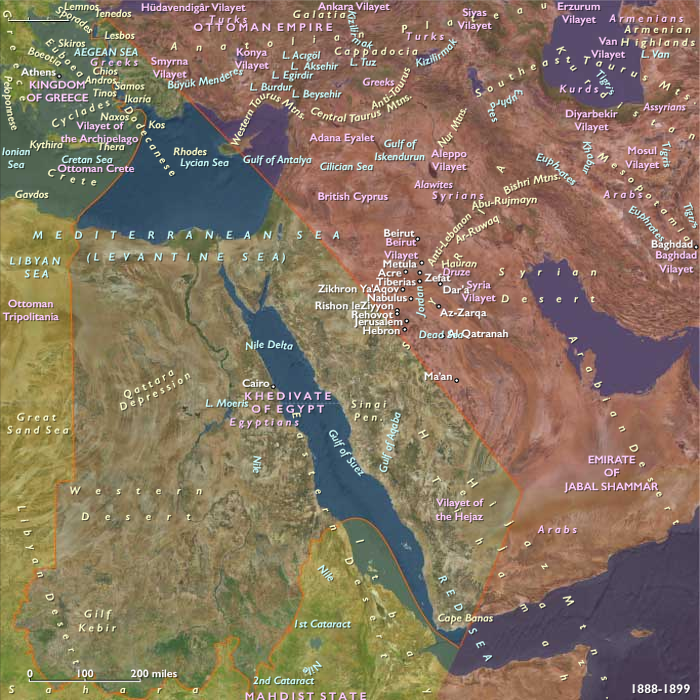
1888 CE to 1899 CE
The decline of the ulama and the merchants has been accelerated by the socioeconomic transformation of Egypt that led to the emergence of secular education, to secularly trained civil servants staffing the government bureaucracy, and to the reorientation of Egyptian trade.
Secular education and the establishment of schools influenced by Western ideas and methods has occurred throughout the nineteenth century but are particularly widespread during the reign of Khedive Ismail.
Secular education has become identified with entrance into government employment.
Moreover, once government employment was opened to Egyptians, it had become the goal of the educated because of the power and social status it confers.
Between 1882 and 1907, the number of persons employed in public administration grows by 83.7 percent.
The rise of this new urban middle class, called the effendiyah, parallels the rise of the rural notables or umada.
In fact, during the nineteenth century, the effendiyah have tended to be first-generation urbanites from rural notable families who had taken advantage of expanded education and employment opportunities in the cities.
People
Groups
Regions
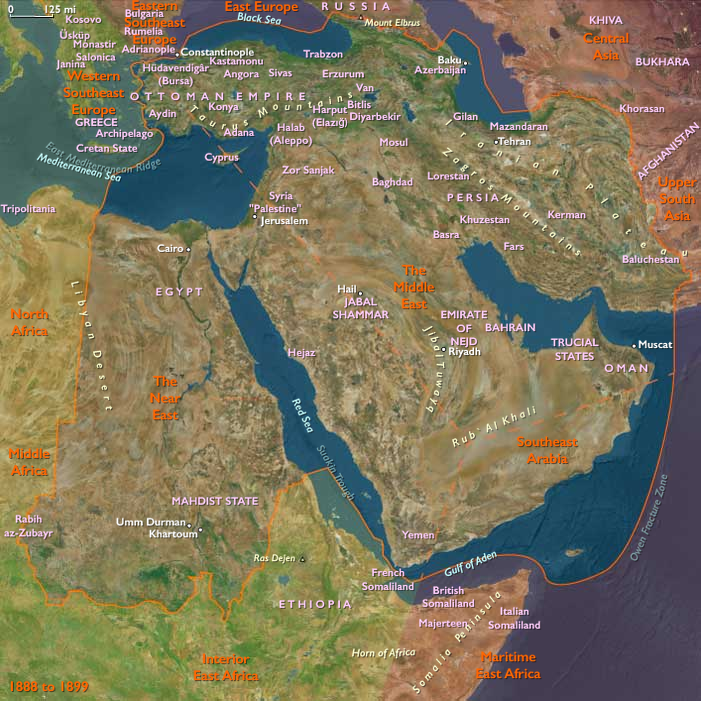
The Near and Middle East
View →Subregions