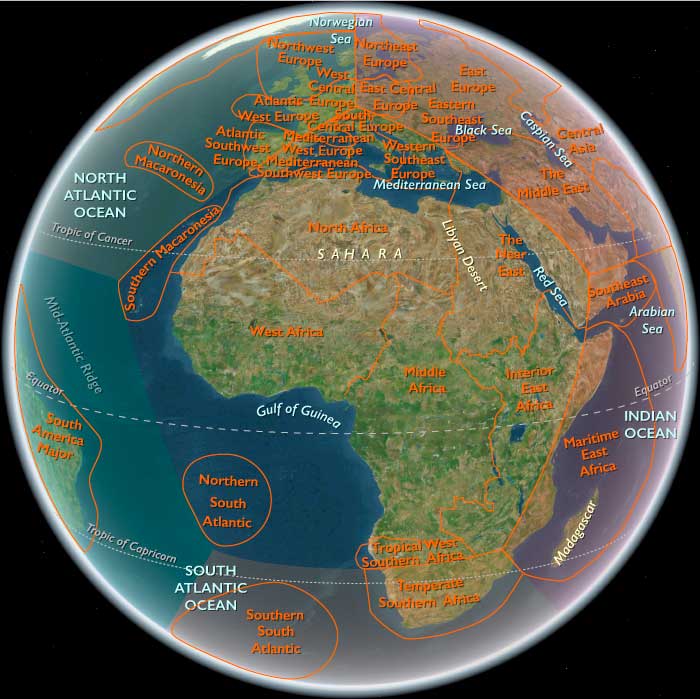
Event
The Harris papyrus can be interpreted in…
The Harris papyrus can be interpreted in two ways.
Either Ramesses settled the captives in Egypt and the rest of the Philistines/Sea Peoples carved out a territory in Canaan, or Ramesses settled the Sea Peoples (mainly Philistines) in military camps in southern coastal Canaan as mercenaries in an area where attacks by nomads threatened the overland trade route to Syria.
Archaeological evidence indicates that the Philistines originally settled in a few sites in the south, such as Ashkelon, Ashdod, and Ekron, three of the Five Cities of the coastal plain.
The connection between Mycenaean culture and Philistine culture was made clearer by finds at the excavation of Ashkelon, Ashdod, Ekron, and more recently Gath (the fifth city).
Especially notable is the early Philistine pottery, a locally made version of the Aegean Mycenaean Late Helladic IIIC pottery, which is decorated in shades of brown and black.
This will later develop into the distinctive Philistine pottery of the Iron Age I, with black and red decorations on white slip known as Philistine Bichrome ware.
Of particular interest is a large, well-constructed building covering two hundred and forty square meters (twenty-six hundred square feet), discovered at Ekron.
Its walls are broad, designed to support a second story, and its wide, elaborate entrance leads to a large hall, partly covered with a roof supported on a row of columns.
In the floor of the hall is a circular hearth paved with pebbles, as is typical in Mycenaean megaron hall buildings; other unusual architectural features are paved benches and podiums.
Among the finds are three small bronze wheels with eight spokes.
Such wheels were used for portable cultic stands in the Aegean region during this period, and it is therefore assumed that this building served cultic functions.
Further evidence concerns an inscription in Ekron to PYGN or PYTN, which some have suggested refers to "Potnia,” the title given to an ancient Mycenaean goddess.
-
{# Image navigates to the detail page; the magnifying-glass chip is the only Fancybox lightbox trigger (kept a separate sibling — anchors can't nest). #}
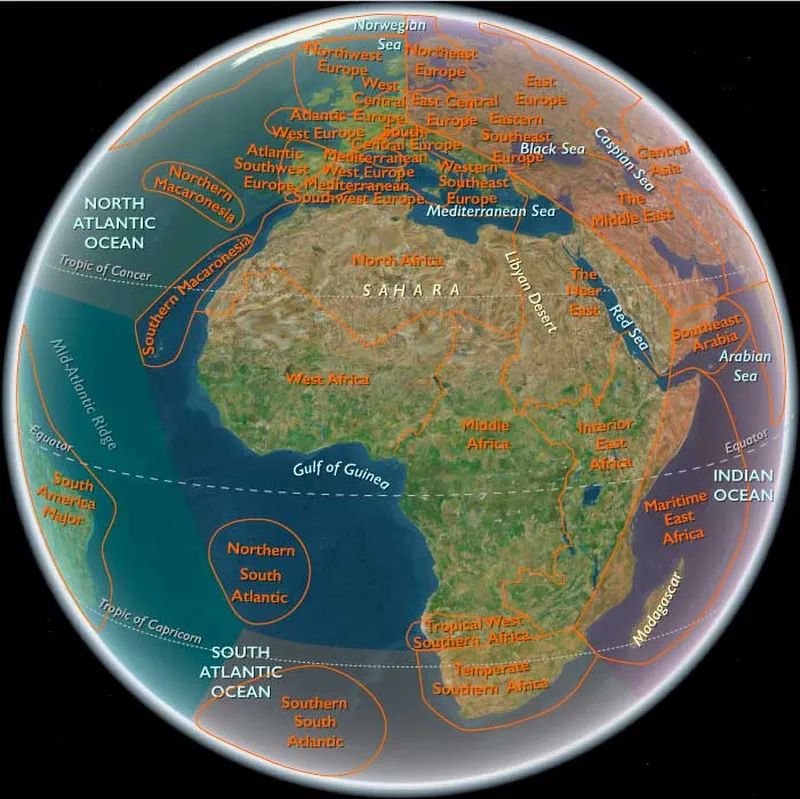 The Middle of The Earth
World
-
{# Image navigates to the detail page; the magnifying-glass chip is the only Fancybox lightbox trigger (kept a separate sibling — anchors can't nest). #}
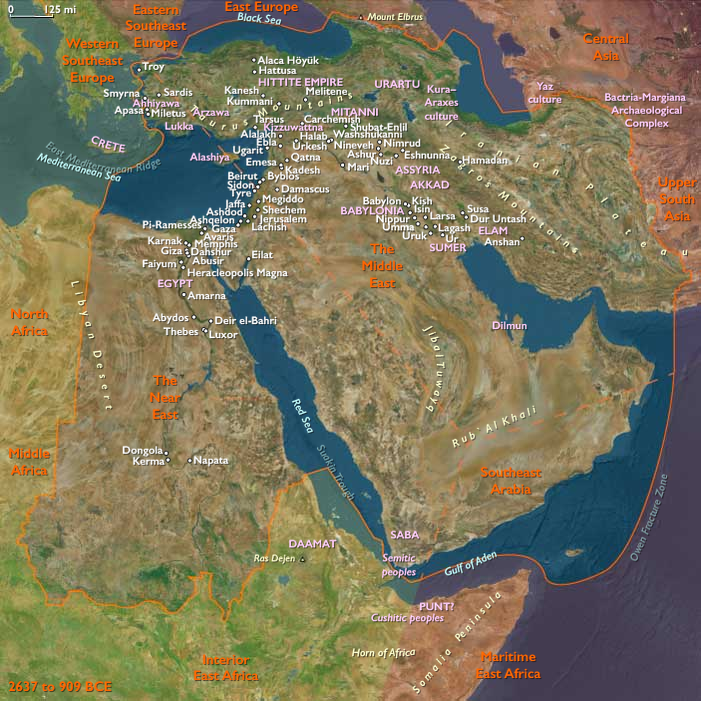 The Near and Middle East
Region
-
{# Image navigates to the detail page; the magnifying-glass chip is the only Fancybox lightbox trigger (kept a separate sibling — anchors can't nest). #}
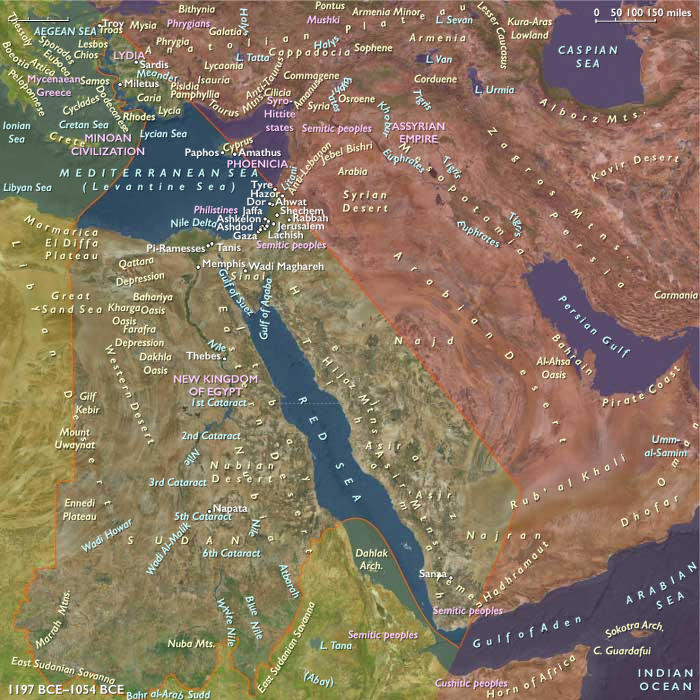 Near East
Subregion