Enforcement legislation eventually ignites what appears to…
July 1794 CE
Enforcement legislation eventually ignites what appears to be an organized rebellion against the excise tax imposed by Congress on distilled spirits to help pay for the cost of the Revolutionary War.
There are two methods of paying the whiskey excise: paying a flat charge or paying by the gallon.
The tax effectively favors large distillers, most of whom are based in the east, who produce whiskey in volume and can afford the flat fee.
Western farmers who own small stills do not usually operate them at full capacity, so they end up paying a higher tax per gallon.
Thus, large producers end up paying a tax of about six cents per gallon, while small producers are taxed at about nine cents per gallon.
Events climax in 1794, according to Alexander Hamilton, when shots are fired at Neville and a U.S. Marshal he is escorting through the area to summon to court farmers who had not paid the tax.
On July 16, 1794, a group of around fifty men surrounds the Neville mansion, demanding to see the US Marshal.
The confrontation leads to Neville's shooting of one of the protesters.
Neville and his slaves are not injured during the fight.
This further angers the people, and ...
People
Groups
Commodities
Subjects
Regions
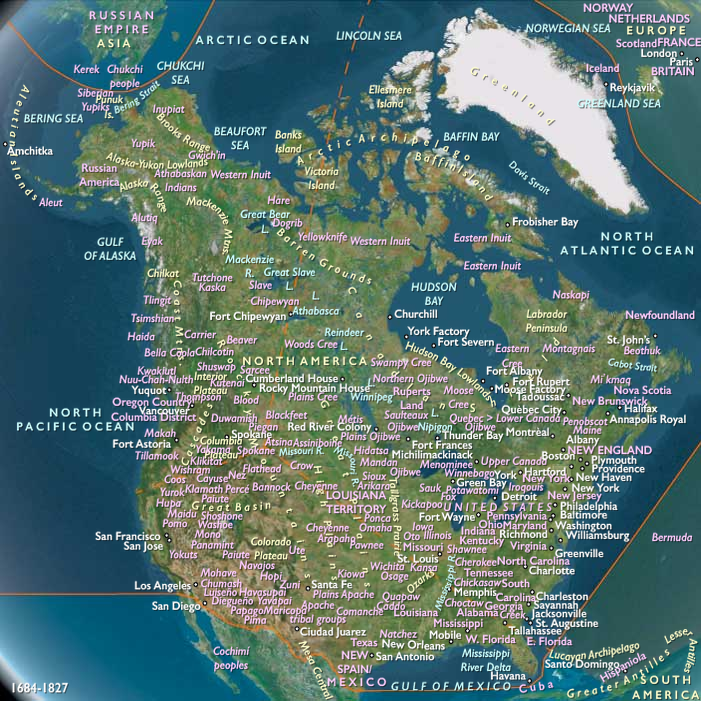
Northern North America
View →Subregions