Warren Hastings, the former Governor-General of India,…
April 1795 CE
He had had resigned in 1784, after ten years of service, during which he helped extend and regularize the nascent Raj created by Clive of India.
At first deemed unlikely to succeed, the prosecution was managed by MPs including Edmund Burke, who was encouraged by Sir Philip Francis, whom Hastings had wounded during a duel in India, Charles James Fox and Richard Brinsley Sheridan.
When the charges of his indictment were read, the twenty counts took Edmund Burke two full days to read.
The house sat for a total of one hundred and forty-eight days over a period of seven years during the investigation.
The investigation was pursued at great cost to Hastings personally, and he complained constantly that the cost of defending himself from the prosecution was bankrupting him.
He is rumored to have once stated that the punishment given him would have been less extreme had he pleaded guilty.
The House of Lords finally makes its decision on April 24 1795, acquitting him on all charges.
The East India Company subsequently compensates him with four thousand Pounds Sterling annually.
Throughout the long years of the trial, Hastings has lived in considerable style at his town house, Somerset House, Park Lane.
Among the many who have supported him in print is the pamphleteer and versifier Ralph Broome.
Others disturbed by the perceived injustice of the proceedings include Fanny Burney.
The letters and journals of Jane Austen and her family, who knew Hastings, show that they followed the trial closely.
Locations
People
Groups
Subjects
Regions
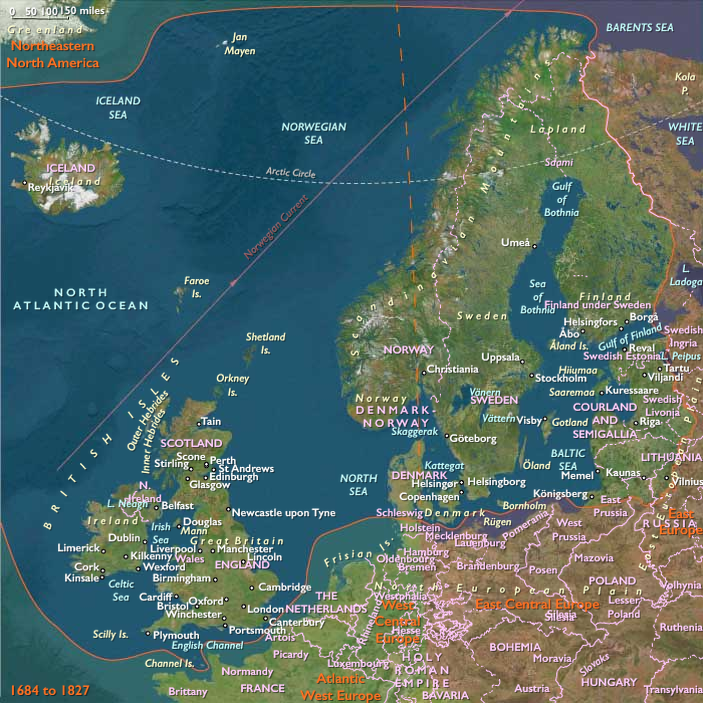
North Europe
View →Subregions