Event
Enheduanna, daughter of Sargon, priestess, and the…
Enheduanna, daughter of Sargon, priestess, and the first author known by name, is well-known from archaeological and textual sources.
Two seals bearing her name, belonging to her servants and dating to the Sargonic period, have been excavated at the Royal Cemetery at Ur.
In addition an Alabaster disc bearing her name and likeness was excavated in the Gipar at Ur, which was the main residence of the En Priestess.
The statue was found in the Isin-Larsa (from around 2000 BCE to 1800 BCE) levels of the Giparu alongside a statue of the En Priestess Enannatumma.
Enheduanna composed forty-two hymns addressed to temples across Sumer and Akkad including Eridu, Sippar and Esnunna.
The texts are reconstructed from thirty-seven tablets tablets from Ur and Nippur, most of which date to the Ur III and Old Babylonian periods (Sjöberg and Bergman 1969:6-7).
This collection is known generally as 'The Sumerian Temple Hymns'.
The temple hymns were the first collection of their kind, in them Enheduanna states: “My king, something has been created that no one has created before.”
The copying of the hymns indicates the temple hymns were in use long after Enheduanna's death and were held in high esteem.
Her other famous work is 'The Exaltation of Inanna' or 'Nin-Me-Sar-Ra' which is a personal devotion to the goddess Inanna and also details Enheduanna's expulsion from Ur.
Copies of Enheduanna’s work, many dating to hundreds of years after her death, were made and kept in Nippur, Ur and possibly Lagash alongside Royal inscriptions which indicates that they were of high value, perhaps equal to the inscriptions of Kings (Westenholz 1989:540).
Enheduanna's authorship raises the issue of female literacy in ancient Mesopotamia; in addition to Enheduanna, royal wives are known to have commissioned or perhaps composed poetry and the goddess Nindaba acted as a scribe.
-
{# Image navigates to the detail page; the magnifying-glass chip is the only Fancybox lightbox trigger (kept a separate sibling — anchors can't nest). #}
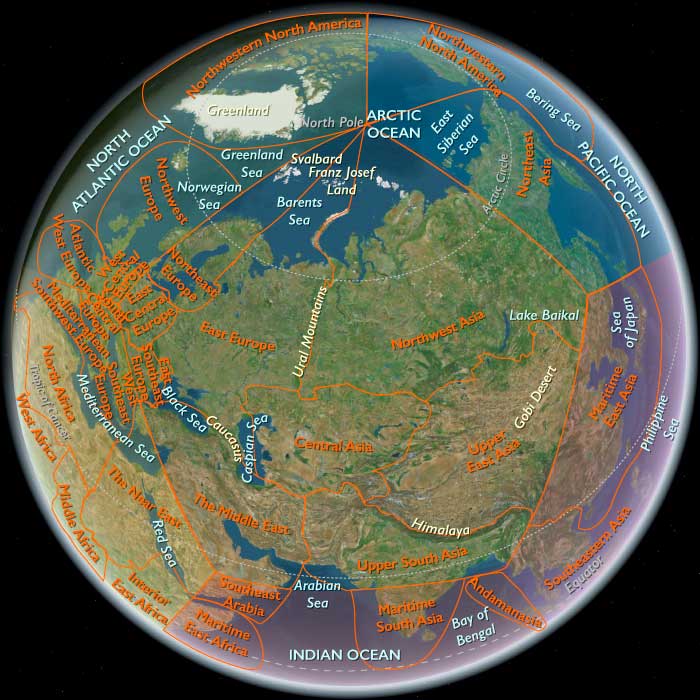
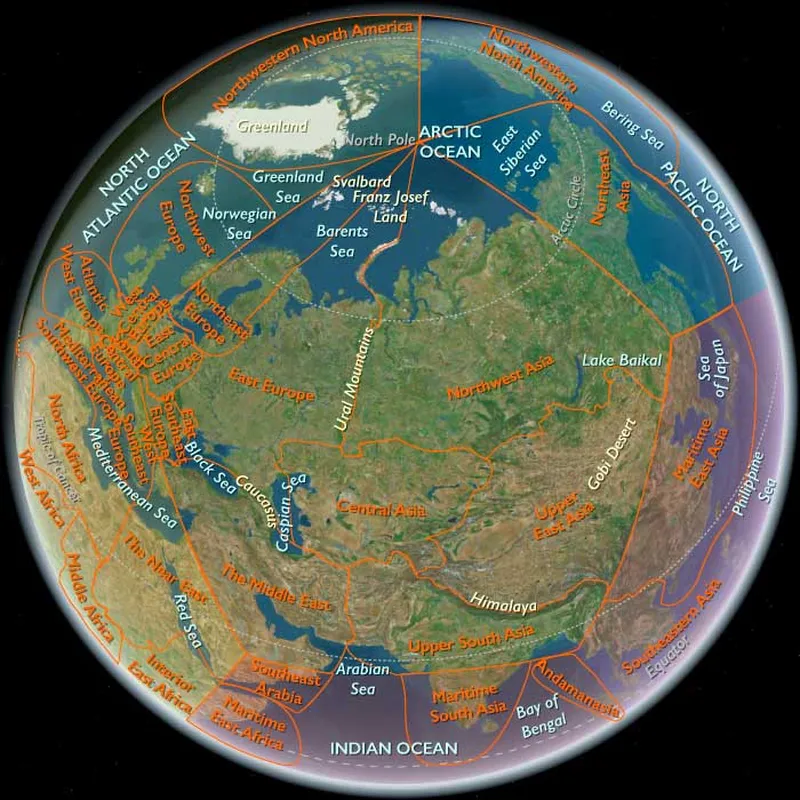 The Great Crossroads
World
-
{# Image navigates to the detail page; the magnifying-glass chip is the only Fancybox lightbox trigger (kept a separate sibling — anchors can't nest). #}
 The Near and Middle East
Region
-
{# Image navigates to the detail page; the magnifying-glass chip is the only Fancybox lightbox trigger (kept a separate sibling — anchors can't nest). #}
 Middle East
Subregion