The first free flight by humans is…
November 1783 CE
Louis XVI had decided that the first manned flight would contain two condemned criminals, but Jean-François Pilâtre de Rozier had enlisted the help of the Duchess de Polignac to support his view that the honor of becoming first balloonists should belong to someone of higher status, and the Marquis d'Arlandes had agreed to accompany him.
The King had been persuaded to permit d'Arlandes and de Rozier to become the first pilots.
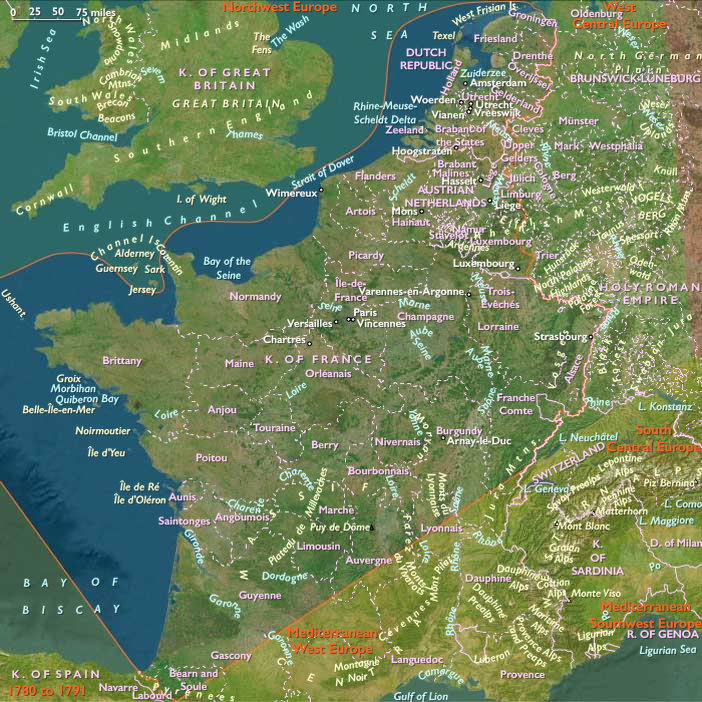
After several tethered tests to gain some experience of controlling the balloon, de Rozier and d'Arlandes make their first untethered flight in a Montgolfier hot air balloon on November 21, 1783, in the presence of the King, taking off at 1:54 p.m. from the garden of the Château de la Muette in the Bois de Boulogne, in the western outskirts of Paris.i
Also watching is U.S. envoy, Benjamin Franklin.
Their twenty-five-minute flight travels slowly about five and a half miles (some nine kilometers) to the southeast, attaining an altitude of three thousand feet (nine hundred and ten meters), before returning to the ground at the Butte-aux-Cailles, between the windmills, outside the city ramparts.
Enough fuel remains on board at the end of the flight to have allowed the balloon to fly four to five times as far.
However, burning embers from the fire are scorching the balloon fabric and have to be daubed out with sponges.
As it appears it could destroy the balloon, Pilâtre takes off his coat to stop the fire.
After the flight, the pilots drink champagne to celebrate the flight, a tradition carried on by balloonists to this day.
Images

The first untethered balloon flight, by Rozier and the Marquis d'Arlandes on November 21, 1783.
Locations
People
Commodities
Regions

West Europe
View →Subregions