
The Evolution of Romanesque Architecture: Innovation and …
Years: 964 - 1107
The Evolution of Romanesque Architecture: Innovation and Expansion (10th–12th Century)
The Romanesque architecture of the 10th to 12th centuries was defined by closely related regional styles that combined ancient Roman influences with new structural innovations. Characterized by massive stone construction, rounded arches, and rhythmic spatial compositions, this architectural style laid the foundation for the monumental cathedrals of the High Middle Ages.
Ottonian Architecture: A Prelude to the Romanesque
During the Ottonian period (10th–early 11th century), architecture exhibited spatial experimentation and increased scale, elements that would later define Romanesque churches.
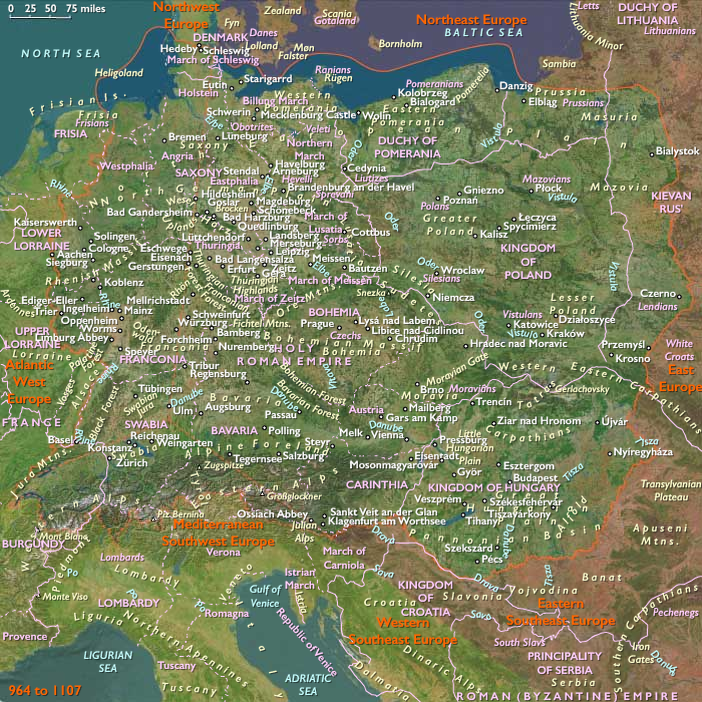
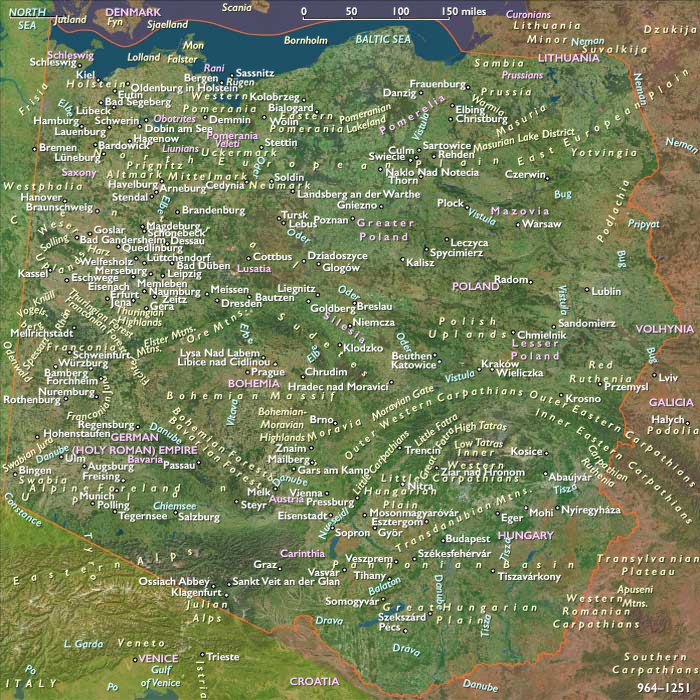
- Saint Cyriakus in Gernrode (961–965) is an early example, notable for its alternating pier-and-column supports, a feature that became more common in later Romanesque designs.
- Ottonian builders drew inspiration from Carolingian and Byzantine models, incorporating basilica layouts, westwork façades, and modular spatial planning.
Romanesque Expansion: Structural Innovation and Monumentality
By the mid-11th century, Romanesque architecture had matured into a style marked by massive proportions and technical advancements:
- Increased size and regularized proportions became a hallmark, reinforcing a sense of grandeur and permanence.
- Builders refined antique Roman arching techniques, leading to widespread adoption of the barrel vault and groin vault, which allowed for greater height and more expansive interiors.
- The use of thick stone walls and small windows created a fortress-like solidity, while exterior sculptural decoration enriched the façades.
Sainte-Foy in Conques: A Romanesque Masterpiece
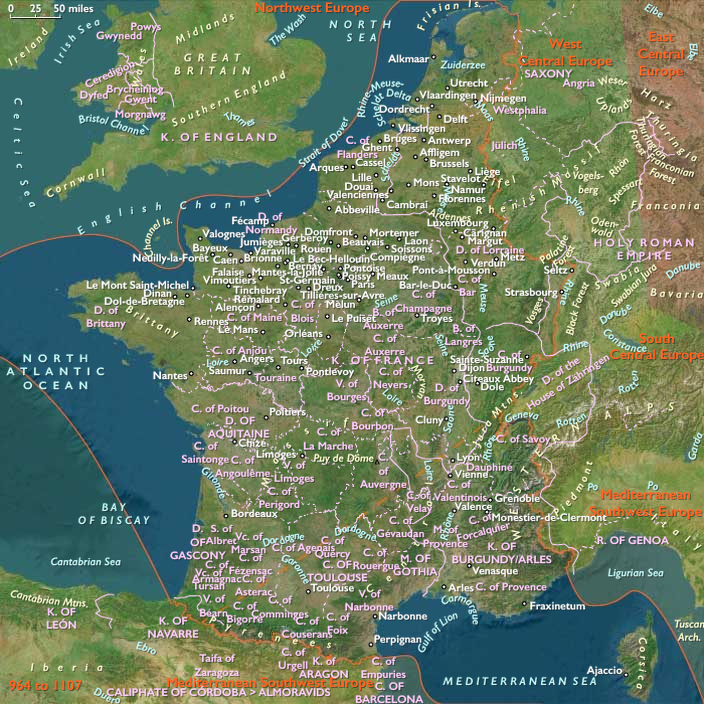
One of the earliest surviving Romanesque churches, Sainte-Foy in Conques (begun in 1050, completed in 1120), exemplifies the period’s architectural advances:
- Its barrel-vaulted nave, thick walls, and round-arched arcades demonstrate the transition from Ottonian to fully developed Romanesque design.
- The church’s pilgrimage layout, featuring an ambulatory with radiating chapels, reflects the increasing importance of pilgrimage churches in medieval religious life.
A Flourishing Architectural Age
The unprecedented building activity of the Romanesque period demanded new forms of sculptural and pictorial decoration, as seen in the intricate tympana reliefs, capitals, and frescoes adorning churches across Europe.
This architectural expansion not only solidified the Romanesque style as a pan-European phenomenon but also set the stage for the Gothic revolution of the 12th and 13th centuries.
Groups
Topics
Subjects
Regions
Subregions
- East Central Europe
- South Central Europe
- Mediterranean Southwest Europe
- Atlantic West Europe
- West Central Europe
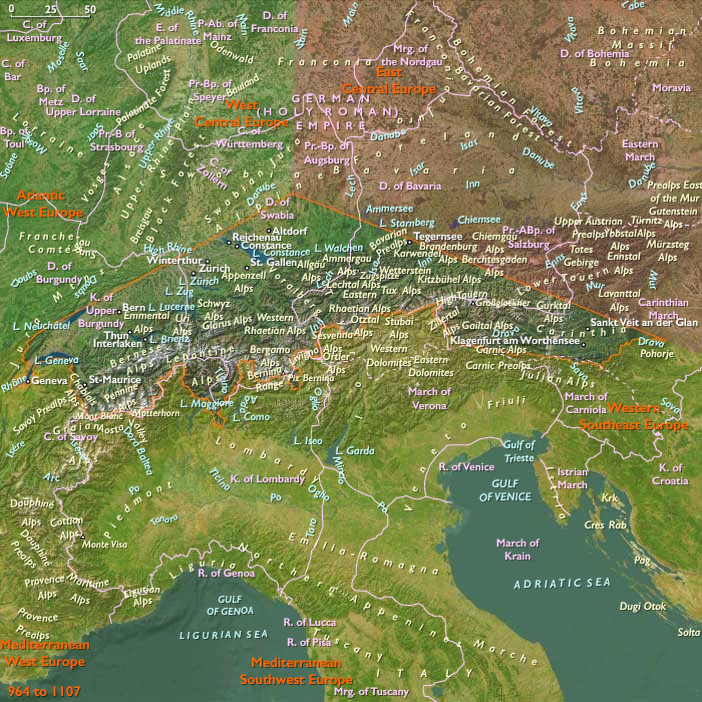

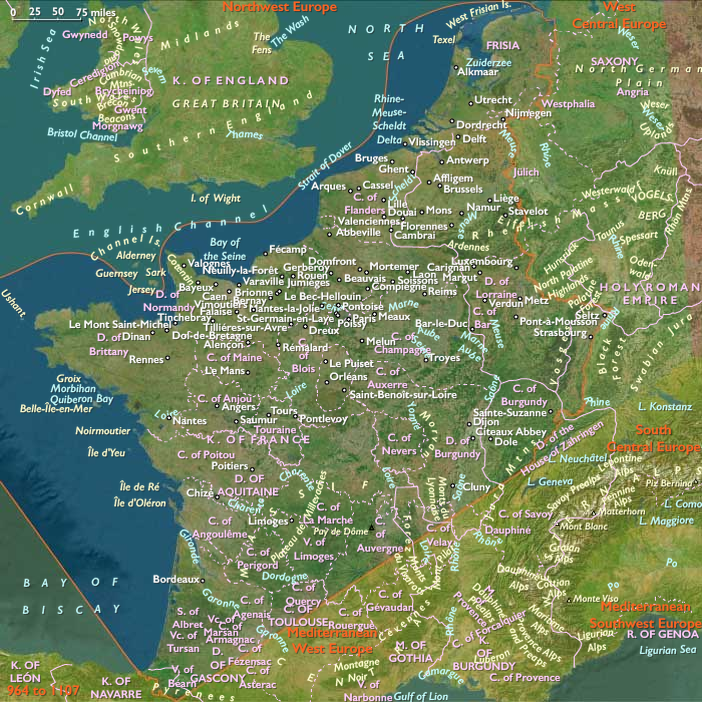

Years: 964 - 1107
Groups
Topics
Subjects
Regions
Subregions
- East Central Europe
- South Central Europe
- Mediterranean Southwest Europe
- Atlantic West Europe
- West Central Europe