
The British fleet following the battle of…
October 1707 CE
The British fleet following the battle of Toulon had subsequently been ordered to return home, and had set sail from Gibraltar to Portsmouth in late October.
Shovell's fleet of twenty-one ships had left Gibraltar on September 29, with HMS Association serving as his own flagship, HMS Royal Anne as flagship of Vice-Admiral of the Blue Sir George Byng and HMS Torbay as flagship of Rear-Admiral of the Blue Sir John Norris.
The passage has been marked by extremely bad weather and constant squalls and gales.
As the fleet sailed out on the Atlantic, passing the Bay of Biscay on their way to England, the weather had worsened and storms gradually pushed the ships off their planned course.
Finally, on the night of October 22, 1707 (Old Style, November 2, 1707) by the modern calendar, the squadron enters the mouth of the English Channel and Shovell's sailing masters believe that they are on the last leg of their journey.
The fleet is thought to be sailing safely west of Ushant, an island outpost off the coast of Brittany.
However, due to a combination of the bad weather and the mariners' inability to accurately calculate their longitude, the fleet is unaware that it is off course and closing in on the Isles of Scilly instead.
Before their mistake can be corrected, the fleet strikes rocks and four ships are lost.
The exact number of officers, sailors and marines who are killed in the sinking of the four ships is unknown.
Statements vary between fourteen hundred and over two thousand, making it one of the greatest maritime disasters in British history.
For days afterwards, bodies continue to wash onto the shores of the isles along with the wreckage of the warships and personal effects.
Many dead sailors from the wrecks are buried on the island of St Agnes.
Admiral Shovell's body, along with those of his two Narborough stepsons and his flag-captain, Edmund Loades, wash up on Porthellick Cove on St. Mary's the following day, almost seven miles from where the Association had been wrecked.
A small memorial is later erected at this site.
Images
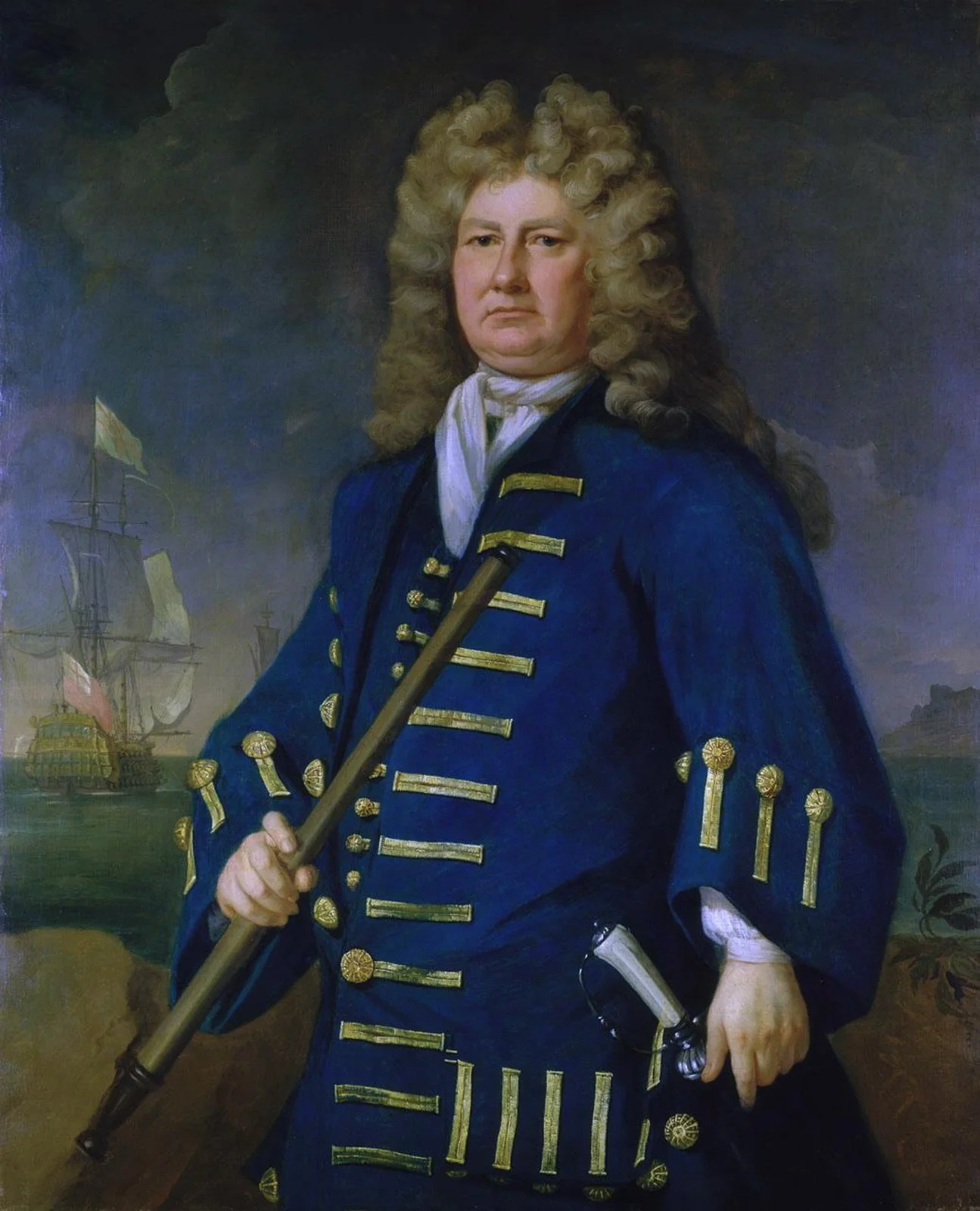
Michael Dahl: Sir Cloudesley Shovell, 1650-1707. Oil on canvas.
People
Groups
Commodities
Subjects
Regions
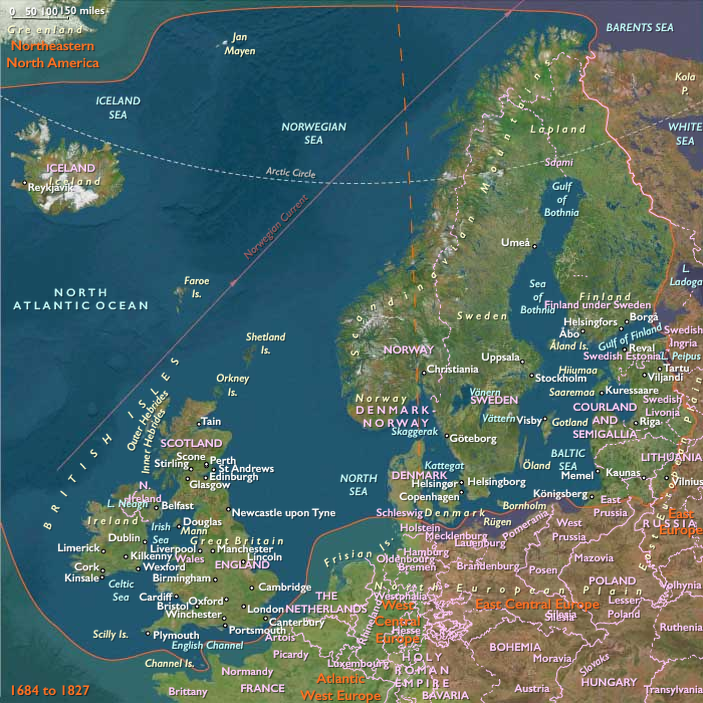
North Europe
View →Subregions
