Jacques-Louis David is a supporter of the…
November 1789 CE
While others are leaving the country for new and greater opportunities, David stays to help destroy the old order; a regicide, he will vote in the National Convention for the execution of Louis XVI.
Soon, David turns his critical sights on the Royal Academy of Painting and Sculpture.
This attack is probably caused primarily by the hypocrisy of the organization and their personal opposition against his work, as seen in previous episodes in David's life.
The Royal Academy is packed of royalists, and David's attempt to reform it does not go over well with the members.
However, the deck is stacked against this symbol of the old regime, and the National Assembly orders it to make changes to conform to the new constitution.
David now begins work on something that will later hound him: propaganda for the new republic.
David's painting of Brutus is shown during the play Brutus, by the famous Frenchman, Voltaire.
The people respond in an uproar of approval.
In 1789, Jacques-Louis David attempts to leave his artistic mark on the historical beginnings of the French Revolution with his painting of The Oath of the Tennis Court.
David has undertaken this task not out of personal political conviction but rather because he has been commissioned to do so.
The painting is meant to commemorate the event of the same name but is never completed.
A meeting of the Estates General is convened in May to address reforms of the monarchy.
Dissent arises over whether the three estates will meet separately, as has been tradition, or as one body.
The King's acquiescence with the demands of the upper orders lead to the deputies of the Third Estate renaming themselves as the National Assembly on June 17.
They are locked out of the meeting hall three days later when they attempt to meet, and forced to reconvene to the royal indoor tennis court.
Presided over by Jean-Sylvain Bailly, they make a 'solemn oath never to separate' until a national constitution has been created.
In 1789 this event is seen as a symbol of the national unity against the ancien regime.
Rejecting the current conditions, the oath signifies a new transition in human history and ideology.
David is enlisted by the Society of Friends of the Constitution, the body that eventually forms the Jacobins, to enshrine this symbolic event.
This instance is notable in more ways than one because it will eventually lead David to finally become involved in politics as he joins the Jacobins.
The picture is meant to be massive in scale; the figures in the foreground are to be life-sized portraits of the counterparts, including Jean-Sylvain Bailly, the President of the Constituent Assembly.
Seeking additional funding, David turns to the Society of Friends of the Constitution.
The funding for the project is to come from over three thousand subscribers hoping to receive a print of the image.
However, when the funding is insufficient, the state ends up financing the project
Images

Jacques-Louis David: Le Serment du Jeu de paume (1791) 101.2 × 66 cm (39.8 × 26 in)
Locations
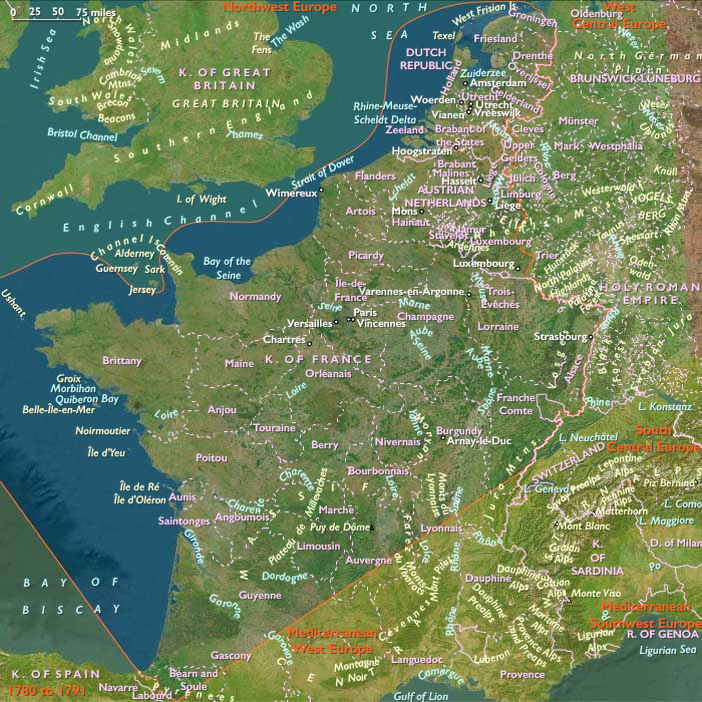
Regions
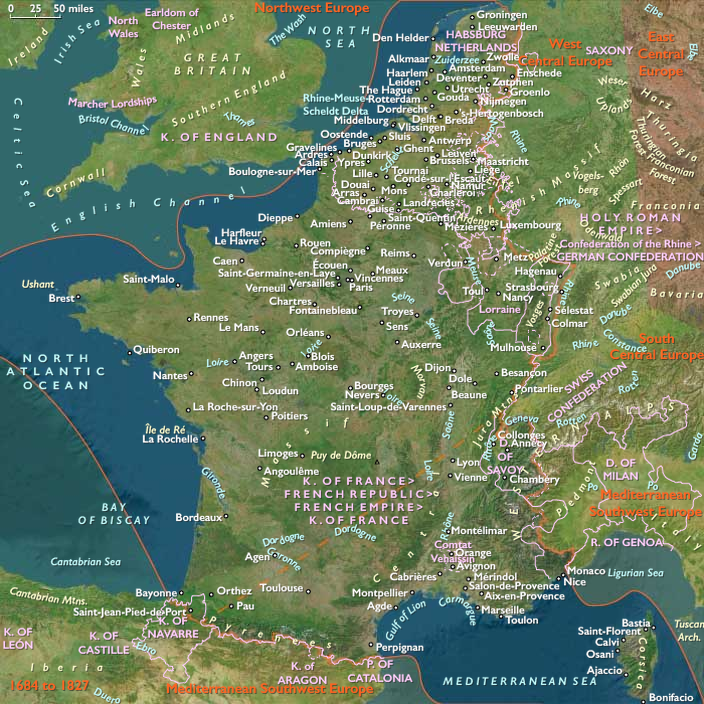
West Europe
View →Subregions