
Pushmataha, one of the three regional chiefs…
1824 CE
He has taken his case directly to the Federal government in Washington, D.C.
Leading a delegation of two other regional chiefs (Apuckshunubbee and Mosholatubbee), he seeks either expulsion of white settlers from deeded lands in Arkansas, or compensation in land and cash for such lands.
The group includes Talking Warrior, Red Fort, Nittahkachee, Col. Robert Cole and David Folsom, both mixed-race Choctaw; Captain Daniel McCurtain; and Major John Pitchlynn (married to a Choctaw), the official U.S. Interpreter.
The delegation had planned to travel the Natchez Trace to Nashville, then to Lexington and Maysville, Kentucky; across the Ohio River (called the Spaylaywitheepi by the Shawnee) to Chillicothe, Ohio (former principal town of the Shawnee); and east along the "National Highway" to Washington City.
Pushmataha has met with President James Monroe, and given a speech to Secretary of War John C. Calhoun.
He has reminded Calhoun of the longstanding alliances between the United States and the Choctaw.
While in Washington, Pushmataha sits in his Army uniform for a portrait by Charles Bird King; it will hang in the Smithsonian Institution until 1865.
While the original will be destroyed by a fire that year, numerous prints will have had been made by then.
It will become the most famous likeness of Pushmataha.
Chief Pushmataha also meets with the Marquis de Lafayette, who is visiting Washington, D.C. for the last time.
Pushmataha hails Lafayette as a fellow aged warrior who, though foreign, had risen to high renown in the American cause.
Images
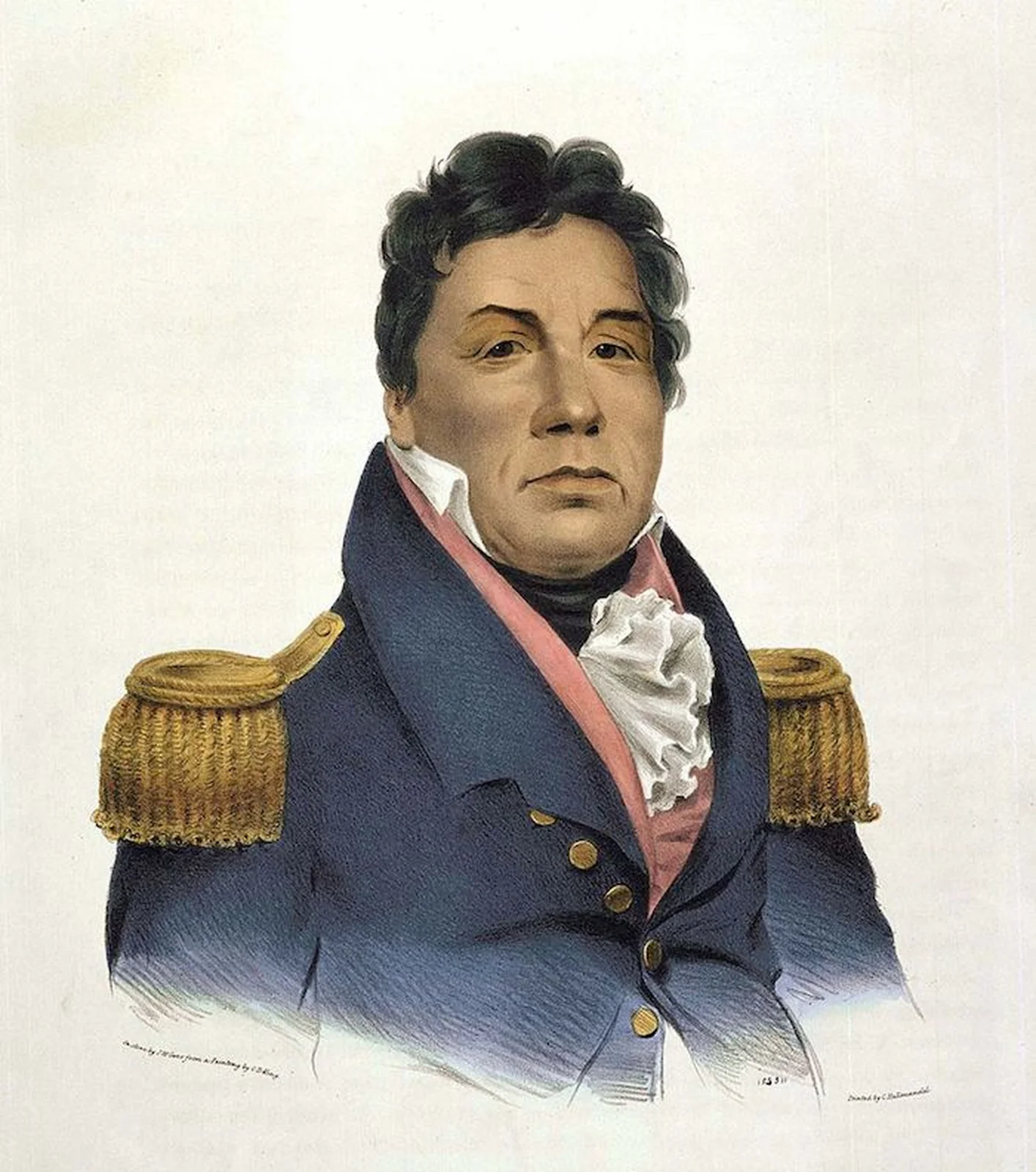
PUSH-MA-TA-HA. Choctaw chief, ca. 1837-1844, Publisher: McKenney and Hall, Copy after Charles Bird King's 1824 original. Date between 1837 and 1844.
People
Regions
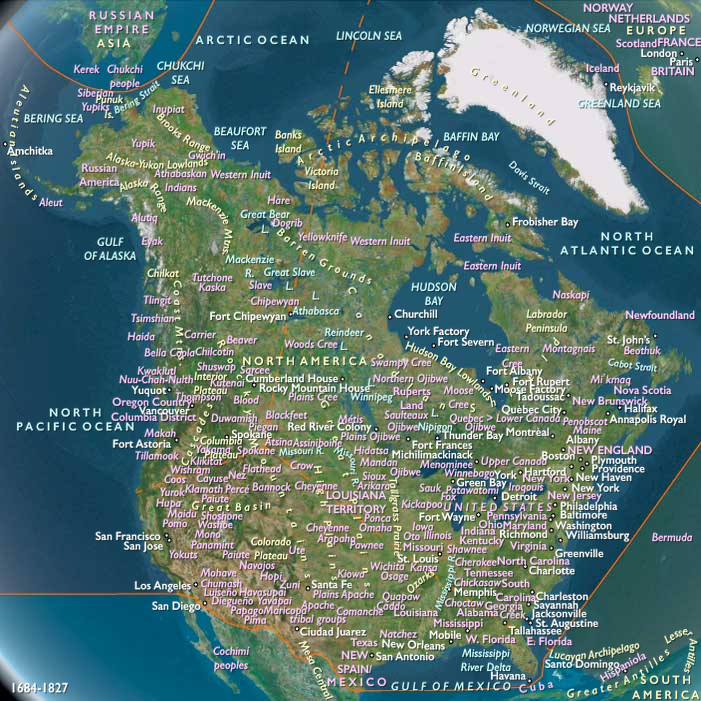
Northern North America
View →Subregions
