
Gulf and Western North America (1780–1791 CE):…
1780 CE to 1791 CE
Gulf and Western North America (1780–1791 CE): Indigenous Leadership and Colonial Shifts
Rise of Indigenous Leaders
During this period, notable indigenous leaders significantly impact tribal dynamics and regional politics. Pushmataha, a prominent chief of the Choctaw based in Mississippi, enhances his reputation through extensive warfare against the Osage and Caddo peoples in the southern Arkansas region. From 1784 to 1789, Pushmataha leads decisive military campaigns, demonstrating strategic leadership and earning significant respect both within and beyond his tribe.
Spanish Settlement and Demographic Changes
Between 1778 and 1783, approximately twenty-one hundred Isleño families from the Canary Islands establish settlements in areas including St. Bernard Parish, Valenzuela, Barataria, and Galvestown. These Spanish-speaking communities bring additional cultural diversity to a region predominantly influenced by French Creole settlers. Additionally, European settlement continues to expand around modern-day Lake Charles in southwestern Louisiana, following earlier European and indigenous occupation.
Territorial Adjustments Post-American War of Independence
Following the American War of Independence, Spain regains control over East Florida, West Florida, and Belize as stipulated by the Treaty of Paris (1783). This restoration marks a notable shift in the colonial landscape, reinforcing Spanish influence across strategic regions and reestablishing Spain’s presence on the North American mainland.
Comanche-Spanish Alliance and Regional Conflict
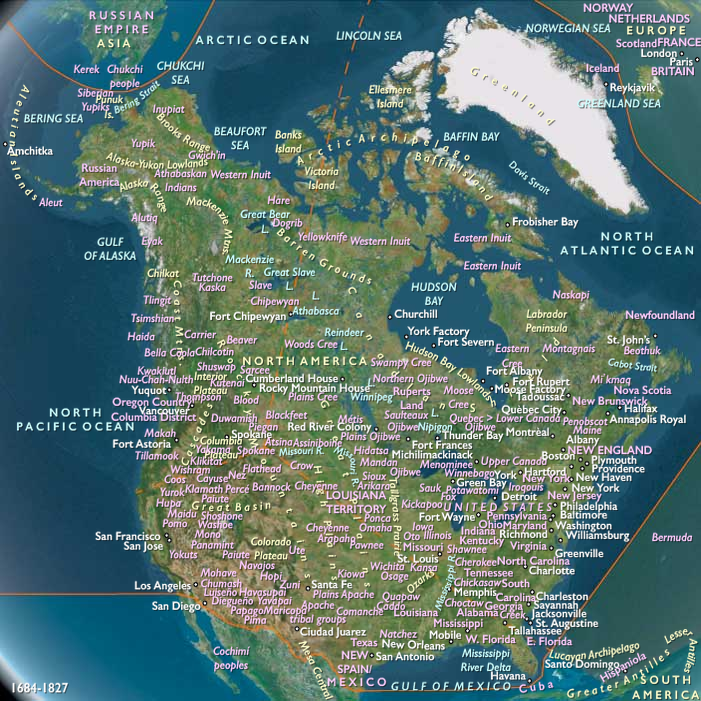
The Comanche strengthen their alliance with New Spain, formalized in the 1785 peace treaty. Actively assisting their Spanish allies, the Comanche engage in aggressive campaigns against mutual adversaries, notably the Karankawa, whom they decisively drive from Texas into Mexico. Further collaboration occurs in 1790 when Comanche warriors join Spanish forces in defeating the Mescalero and Lipan Apache at Soledad Creek, near San Antonio, significantly reducing Apache raids in the region.
By 1790, Spanish colonial efforts shift from managing indigenous groups to containing Apache incursions. Displacements caused by Spanish and Apache conflicts create a diverse ethnic environment in northeastern Coahuila and adjacent Texas, prompting various indigenous groups to combine and relocate into the Central Texas highlands to escape mounting pressures.
Key Historical Developments
-
Pushmataha emerges as a major Choctaw leader through warfare against the Osage and Caddo.
-
Settlement of Isleño communities in strategic locations contributes to the demographic and cultural landscape of Louisiana.
-
Spain regains control of Florida territories and Belize after the American Revolution.
-
Strengthened Comanche-Spanish alliance significantly reshapes regional power dynamics and indigenous territorial boundaries.
-
Spanish colonial focus shifts toward managing Apache raids, prompting significant demographic shifts among indigenous groups in Texas and Coahuila.
Long-Term Consequences and Historical Significance
The years 1780–1791 are marked by influential indigenous leadership, shifting colonial dynamics, and strategic alliances between native tribes and European powers. The era significantly impacts the territorial and cultural landscape of Gulf and Western North America, establishing political frameworks and alliances that will shape regional dynamics well into the nineteenth century.
People
Groups
Topics
Subjects
Regions
Northern North America
View →Subregions
