
France’s Third Republic survives a mismanaged coup…
1889 CE
France’s Third Republic survives a mismanaged coup d’etat by its involuntarily-retired war minister, Georges Boulanger, in January 1889.
He runs as a deputy for Paris, and, after an intense campaign, takes the seat with 244,000 votes against the 160,000 of his main adversary.
A coup d'état seems probable and desirable among his supporters. Boulanger had now become a threat to the parliamentary Republic.
Had he immediately placed himself at the head of a revolt he might have effected the coup which many of his partisans had worked for, and might even have governed France; but the opportunity passes with his procrastination on January 27.
Boulanger decides that it will be better to contest the general election and take power legally.
This, however, gives his enemies the time they need to strike back.
Ernest Constans, the Minister of the Interior, decides to investigate the matter, and attacks the Ligue des Patriotes using the law banning the activities of secret societies.
Shortly afterward the French government issues a warrant for Boulanger's arrest for conspiracy and treasonable activity.
To the astonishment of his supporters, on April 1 he flees Paris before the arrest can be executed, going first to Brussels and then to London.
On April 4 the Parliament strips him of his immunity from prosecution; the French Senate condemns him and his supporters, Rochefort and Count Dillon, for treason, sentencing all three to deportation and confinement.
The Boulangist movement collapses.
A number of scholars will present boulangism as a precursor of fascism.
France's right is based in the old aristocracy, but this new movement is based on mass popular feeling that is national, rather than class-based.
Images
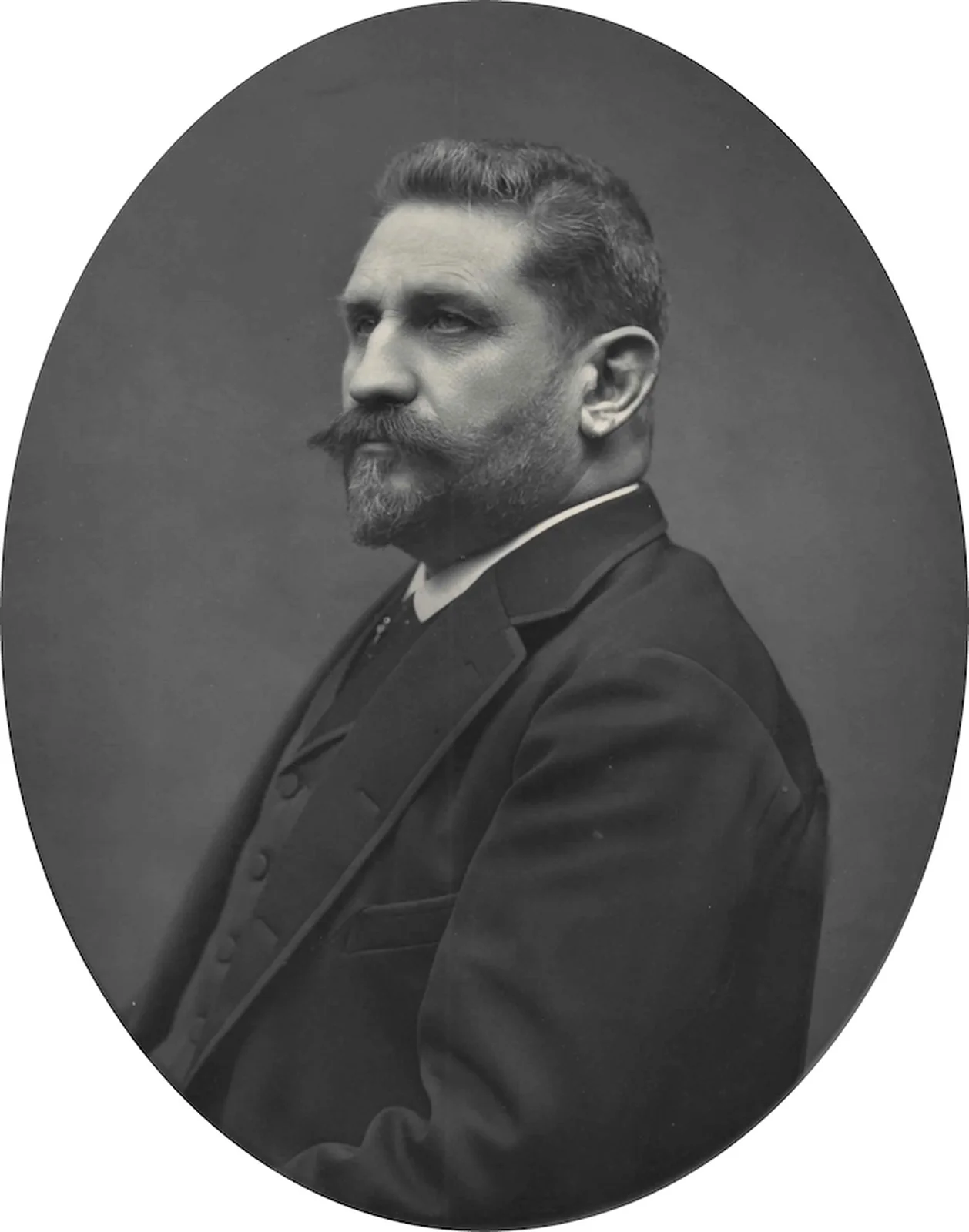
Woodburytype / carbon print of General Boulanger, aged 52 (1889). Photographed by Herbert R. Barraud
Locations
Regions

West Europe
View →Subregions
