The Wreck of HMS Apollo and Its…
July 1805 CE
The Wreck of HMS Apollo and Its Convoy (April 2, 1804)
On March 26, 1804, HMS Apollo departed Cork, Ireland, escorting a convoy of sixty-seven merchant vessels, accompanied by HMS Carysfort. The convoy immediately encountered a strong gale, making navigation difficult and visibility poor.
Disaster Strikes – Apollo Runs Aground
- At 3:30 AM on April 2, Apollo unexpectedly ran aground, despite navigational calculations indicating she was well offshore.
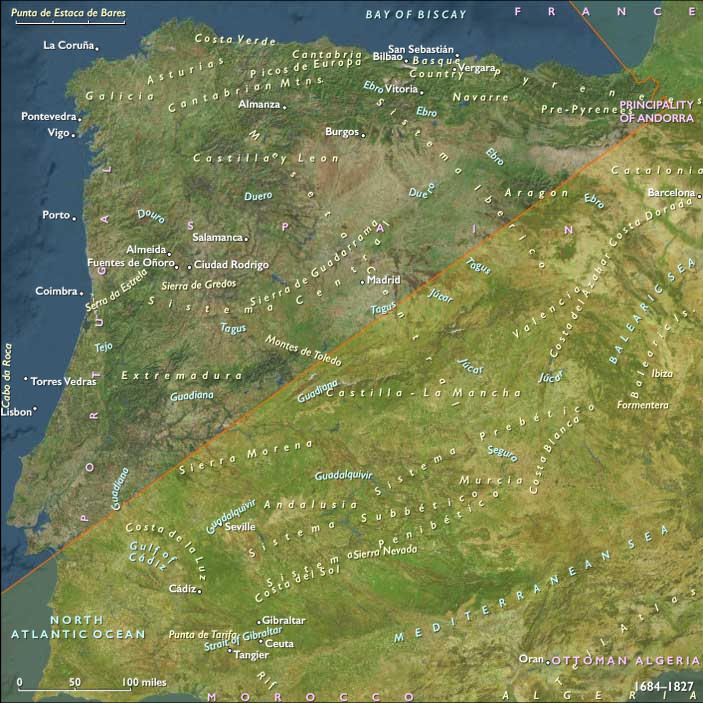
- By morning, the crew discovered they were nine miles south of Cape Mondego on the coast of Portugal.
A Catastrophic Chain Reaction – Multiple Ships Wrecked
- Due to low visibility and poor weather, 25 or 26 ships following closely behind Apollo also ran aground, unaware of the danger ahead.
- The next day, additional vessels wrecked along the shore, bringing the total to 29 lost ships.
This disaster became one of the worst navigational tragedies of the Napoleonic Wars, caused by a combination of bad weather, navigational errors, and the inherent dangers of sailing in convoy formation during storms.
All the boats of the frigate are destroyed, and it takes two days to transfer Apollo's crew to land.
Sixty-two officers and men die; around twenty of the crew die in the first few hours, but most perish of exposure waiting to be rescued.
The number of dead in the merchant vessels is not known, but the Naval Chronicle reported that "dead bodies were every day floating ashore, and pieces of wreck covered the beach upwards of ten miles."
Carysfort had shifted course on the evening of April 1, and so escaped grounding.
She gathers the thirty-eight surviving vessels and proceeded with the convoy.
Accounts at the time blame strong currents.
Later it will be discovered that Apollo had taken on board an iron tank, but that no one had adjusted her compass for the influence of this large magnetic mass.
Consequently, a small error in direction had accumulated over the course of the five days; at the time Apollo struck, her commander, Captain John William Taylor Dixon, thought she was forty or so miles out to sea.
Because the convoy had endured bad weather since leaving Cork, no one had taken sightings that would have enabled them to correct their estimates of their position.
Instead, they had relied on an approximately known speed and a biased heading for their estimate.
Locations
Groups
Regions
Southwest Europe
View →Subregions