The Battle of Alba de Tormes (November…
November 1809 CE
The Battle of Alba de Tormes (November 28, 1809) – Kellermann’s Revenge
After his victory at Carpio on November 23, Duke del Parque’s Spanish army seemed poised to challenge French control in northwestern Spain. However, just one day later, he received devastating news:
- On November 24, 1809, the Spanish Army of the Center suffered a catastrophic defeat at the Battle of Ocaña.
- The French, under Marshal Soult, annihilated a Spanish force of 50,000 men, effectively ending Spain’s hopes of retaking Madrid.
- Recognizing the wider Spanish collapse, Del Parque abandoned his campaign and fled south, hoping to shelter in the mountains of central Spain.
Kellermann’s Pursuit and the Battle of Alba de Tormes (November 28, 1809)
- Seeing that Del Parque was retreating, French Marshal Kellermann launched a rapid pursuit, determined to strike before the Spanish could escape into defensible terrain.
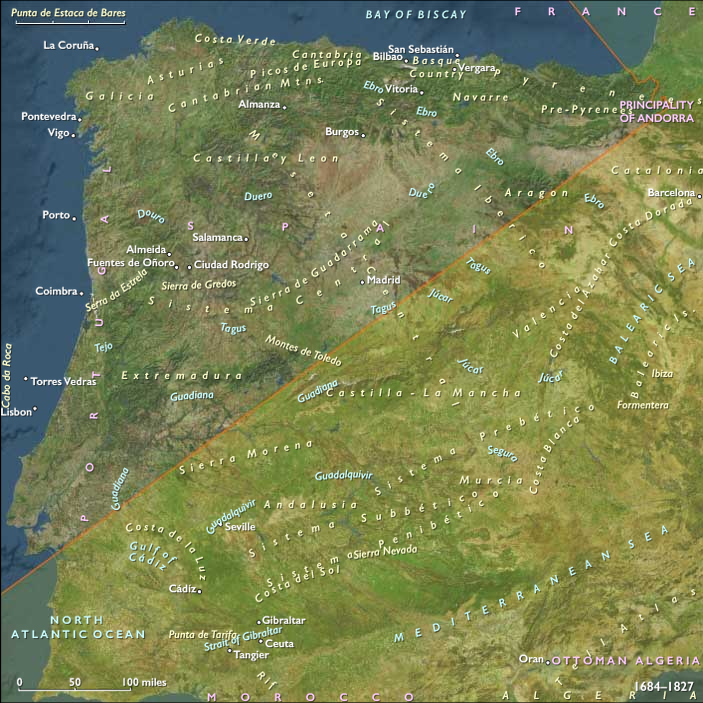
- On the afternoon of November 28, Kellermann’s cavalry caught up with Del Parque’s army at Alba de Tormes, a town south of Salamanca.
- The Spanish were unprepared for battle, caught in disorderly retreat.
- Kellermann’s highly mobile French cavalry launched a devastating charge, shattering Del Parque’s formations and routing his army.
Casualties and Aftermath
- The Spanish lost 3,000 men in the chaotic battle and retreat.
- Del Parque’s surviving troops fled into the mountains, but their strength rapidly declined due to exhaustion, desertion, and lack of supplies.
- By mid-January 1810, his army was greatly reduced, no longer capable of launching major offensives.
Strategic Consequences – French Control Restored in Northwestern Spain
- The defeat at Alba de Tormes effectively ended Spanish resistance in the northwest, allowing Kellermann to reassert French dominance over Salamanca and León.
- The Spanish forces were now in full retreat, and French armies could shift their focus to consolidating control over Spain.
- Although Spanish guerrilla warfare and British intervention would continue, the disasters at Ocaña and Alba de Tormes crippled Spain’s ability to wage conventional war against Napoleon’s forces.
With this double blow, the French regained the strategic initiative, marking one of the lowest points for Spanish forces in the Peninsular War. However, the conflict was far from over, as Spanish resistance would continue through guerrilla warfare and Allied intervention.
People
Groups
Topics
Commodities
Subjects
Regions
Southwest Europe
View →Subregions