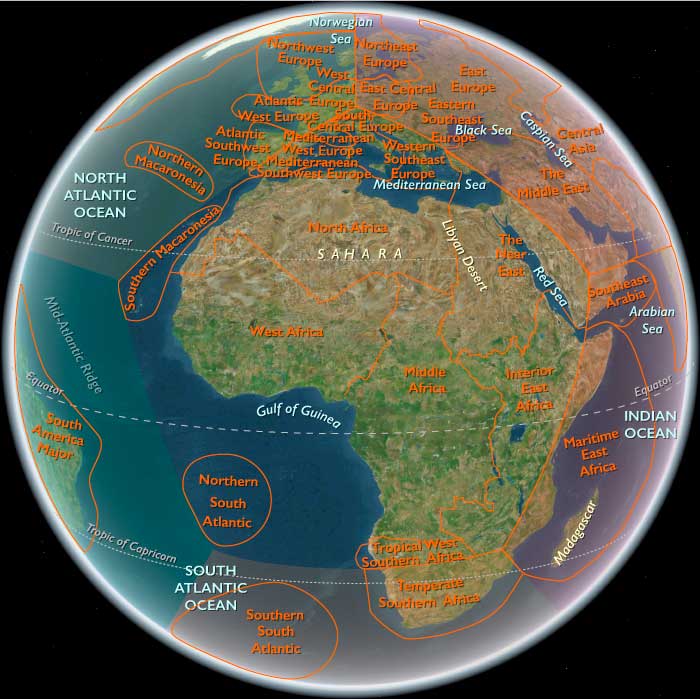
Event
The fourth dynasty, which is to last…
The fourth dynasty, which is to last to 2467 BCE, is to be a time of peace and prosperity as well as one during which trade with other countries is documented, and one in which the Old Kingdom and its royal power will reach their zenith.
The pharaohs of the fourth dynasty include rulers who are best known for constructing pyramids, perhaps the hallmark which distinguishes the ancient culture of Egypt.
All of the rulers of this dynasty will commission at least one pyramid to serve as a tomb or cenotaph.

-
{# Image navigates to the detail page; the magnifying-glass chip is the only Fancybox lightbox trigger (kept a separate sibling — anchors can't nest). #}
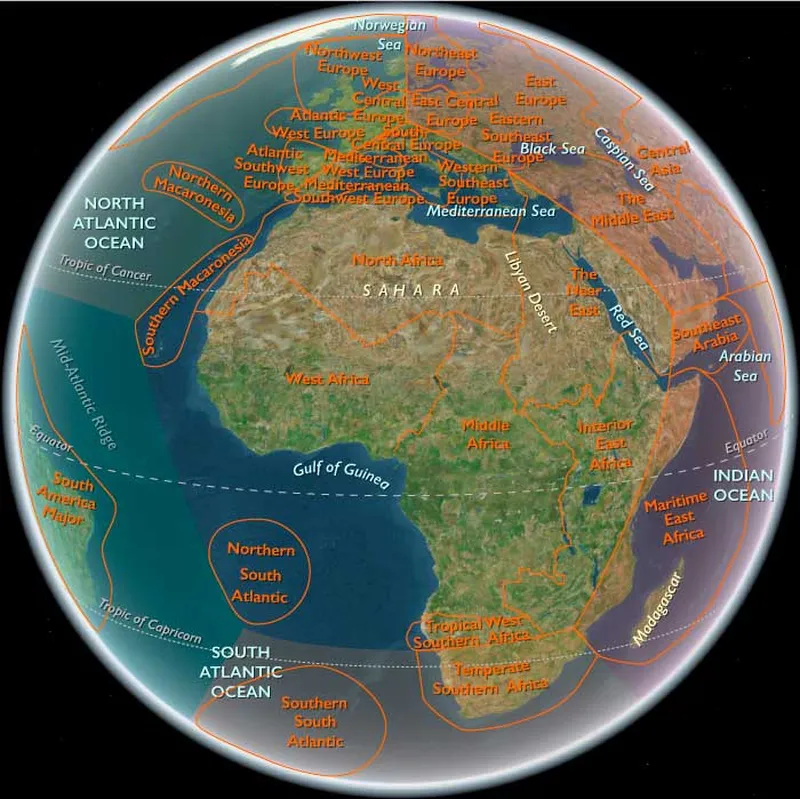 The Middle of The Earth
World
The Middle of The Earth
World
-
{# Image navigates to the detail page; the magnifying-glass chip is the only Fancybox lightbox trigger (kept a separate sibling — anchors can't nest). #}
 The Near and Middle East
Region
The Near and Middle East
Region
-
{# Image navigates to the detail page; the magnifying-glass chip is the only Fancybox lightbox trigger (kept a separate sibling — anchors can't nest). #}
 Near East
Subregion
Near East
Subregion