
John Ross, sent to Washington again in…
April 1824 CE
John Ross, sent to Washington again in 1819 by the Council, had assumed a larger role among the Cherokee leadership.
The purpose of the delegation had been to clarify the provisions of the Treaty of 1817.
The delegation had had to negotiate the limits of the ceded land and hope to clarify the Cherokee's right to the remaining land.
John C. Calhoun, the Secretary of War, had pressed Ross to cede large tracts of land in Tennessee and Georgia.
Such pressure from the United States government will continue and intensify.
Calhoun had requested in October 1822 that the Cherokee relinquish their land claimed by Georgia, in fulfillment of the United States' obligation under the Compact of 1802.
Ross, before responding to Calhoun's proposition, had first ascertained the sentiment of the Cherokee people; they expressed their unanimously opposition to cession of land.
Ross travels to Washington in January 1824 to defend the Cherokees' possession of their land.
Calhoun has offered two solutions to the Cherokee delegation: either relinquish title to their lands and remove west, or accept denationalization and become citizens of the United States.
Rather than accept Calhoun's ultimatum, Ross makes a bold departure from previous negotiations.
He presses the Nation's complaints, and on April 15, 1824, takes the dramatic step of directly petitioning Congress.
This fundamentally alters the traditional relationship between an Indian nation and the United States government.
Never before has an Indian nation petitioned Congress with grievances.
In Ross's correspondence, what had previously been the tone of petitions by submissive Indians is replaced by assertive defenders.
Ross is able to argue subtle points about legal responsibilities as well as whites.
This change is apparent to individuals in Washington, including future president John Quincy Adams.
The Georgia delegation acknowledges Ross's skill in an editorial in The Georgia Journal, which charges that the Cherokee delegation's letters are fraudulent because they are too refined to have been written or dictated by an Indian.
Groups
Topics
Subjects
Regions
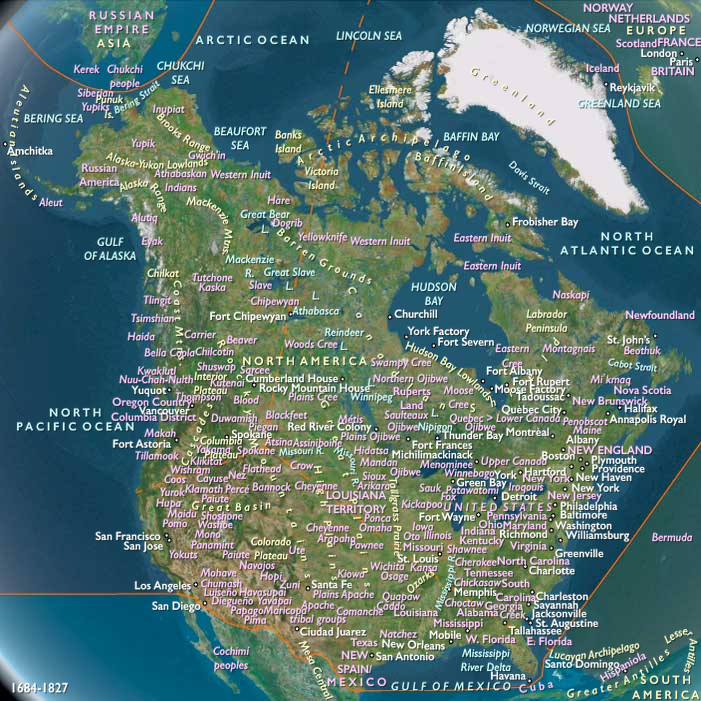
Northern North America
View →Subregions
