
The deaths of an estimated fifty African-American…
November 1887 CE
Every harvest season in Louisiana since 1880 had seen some labor action against the statewide Louisiana Sugar Planters Association (LSPA) cartel, organized by Duncan F. Kenner.
In October the Knights had delivered demands to the LSPA that included an increase in wages to $1.25 a day, biweekly payments, and payment in currency instead of the "pasteboard tickets" redeemable only at company stores.
The demands had been ignored, and the strike had begun on November 1, timed to coincide with the critical "rolling period" of the crop, and therefore threatening the entire sugar cane harvest for the year.
One of the bloodiest labor disputes in U.S. history, the strike is for higher wages of ten thousand workers (one thousand of whom are white).
Planters are alarmed both by outside organizations and the thought of losing their total crops.
The planters appeal to Louisiana Governor Samuel Douglas McEnery, also a planter.
McEnery, declaring, "God Almighty has himself drawn the color line," calls out ten infantry companies and an artillery company of the state militia and breaks the back of the strike.
The displaced black workers and their families concentrate among supportive elements within Thibodaux, and the state militia withdraws.
State district Judge Taylor Beattie declares himself head of the "Peace and Order Committee" in Thibodaux, declares martial law, organizes a local vigilante group, and decrees that blacks within the city limits will need to show a pass to enter or leave.
Beattie is a cane planter, an ex-Confederate, an ex-slaveholder, and a former member of the Knights of the White Camelia.
After rising tensions over the course of two weeks, vigilantes close the entrances to the city on the morning of November 22.
The strikers resist being boxed in and fire on two of the vigilantes, injuring both.
This triggers three days of violence, in which unresisting strikers and their families are executed at the hands of white paramilitary members, in town and in the surroundings woods and swamp.
Groups
Topics
Commodities
Regions
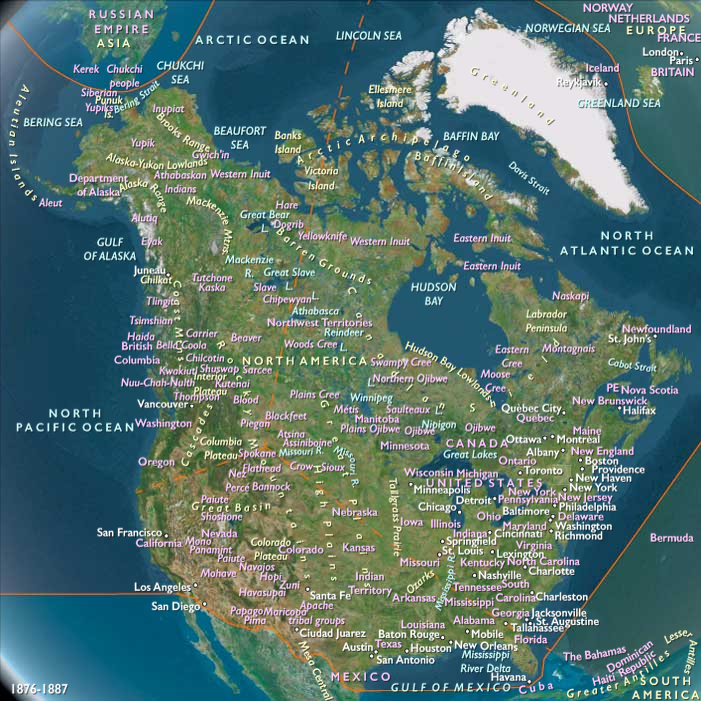
Northern North America
View →Subregions
