
The Witch Trials of Hondarribia (1611): A …
Years: 1611 - 1611
The Witch Trials of Hondarribia (1611): A Parallel to the Basque Witch Hunt
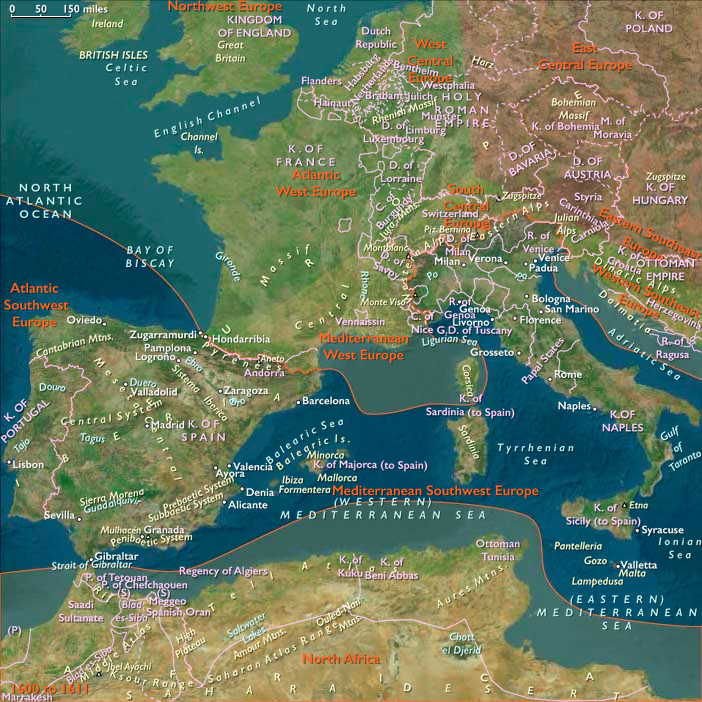
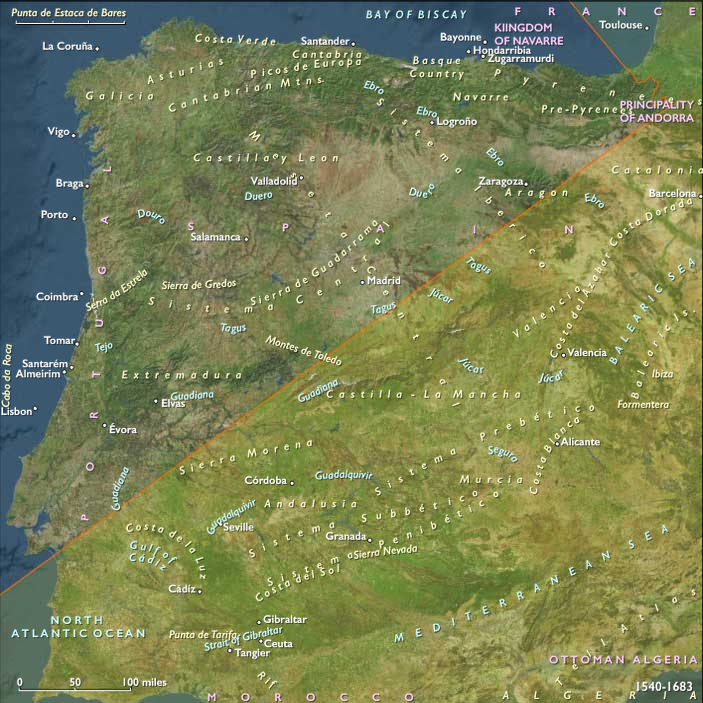
During the Basque witch hysteria (1609–1614), witch trials also began in 1611 in Hondarribia, a town ten kilometers from Zugarramurdi. These proceedings, like those in Logroño, were fueled by mass hysteria, fear, and superstition, with women accused of casting spells and participating in akelarres (sabbats or witch gatherings).
Accusations and Alleged Witchcraft in Hondarribia
-
The accused were mainly women, though men and children were sometimes implicated.
-
They were charged with:
- Casting spells on people and animals, allegedly causing sickness or death.
- Attending akelarres (witch gatherings) in the Jaizkibel mountains, a rugged coastal range near the French border.
- Worshiping a Devil in the shape of a he-goat, believed to preside over rituals and ceremonies.
-
Like in Zugarramurdi, the accusations were often based on rumors, forced confessions, and testimonies from children or neighbors.
The Role of the Inquisition and the Escalation of the Trials
- The Inquisition’s tribunal in Logroño, responsible for Navarre, Álava, Gipuzkoa, Biscay, and La Rioja, took special interest in these cases.
- By 1611, hundreds of people were accused across the Basque region, including Hondarribia, Zugarramurdi, and other villages.
- The Inquisition used torture and intimidation to extract confessions, leading to false claims of supernatural practices and demonic pacts.
Decline of the Hondarribia Trials and the Skepticism of Alonso de Salazar Frías (1611–1614)
- The witch trials of Hondarribia, like those in Zugarramurdi, began to lose credibility after Alonso de Salazar Frías’ investigation.
- By 1614, Salazar Frías reported that there was no reliable evidence of actual witchcraft, concluding:
- “There were neither witches nor bewitched until they were talked about.”
- His findings led the Spanish Inquisition to abandon large-scale witch hunts, effectively ending the trials in Hondarribia and elsewhere in Spain.
Conclusion: Hondarribia’s Forgotten Witch Trials
Although less famous than the Zugarramurdi trials, the witch hunts in Hondarribia reflected the same climate of fear and superstition. These cases, driven by accusations of spell-casting, Devil worship, and akelarres, highlight the Basque region’s role in one of Spain’s largest witch panics. However, skepticism within the Inquisition—particularly from Salazar Frías—helped Spain avoid the scale of executions seen in France and Germany, bringing the witch hysteria to an end by 1614.
Locations
Groups
- Basque people
- Christians, Roman Catholic
- Inquisition, Spanish
- Navarre, Lower, Kingdom of
- Spain, Habsburg Kingdom of
Topics
Commodoties
Subjects
Regions
Subregions
Related Events
Showing 10 events out of 33373 total
Years: 1611 - 1611
Locations
Groups
- Basque people
- Christians, Roman Catholic
- Inquisition, Spanish
- Navarre, Lower, Kingdom of
- Spain, Habsburg Kingdom of
Topics
Commodoties
Subjects
Regions
Subregions