Event
Interior East Africa (1720–1731 CE): Increasing Fragmentation…
Interior East Africa (1720–1731 CE): Increasing Fragmentation and Regional Autonomy
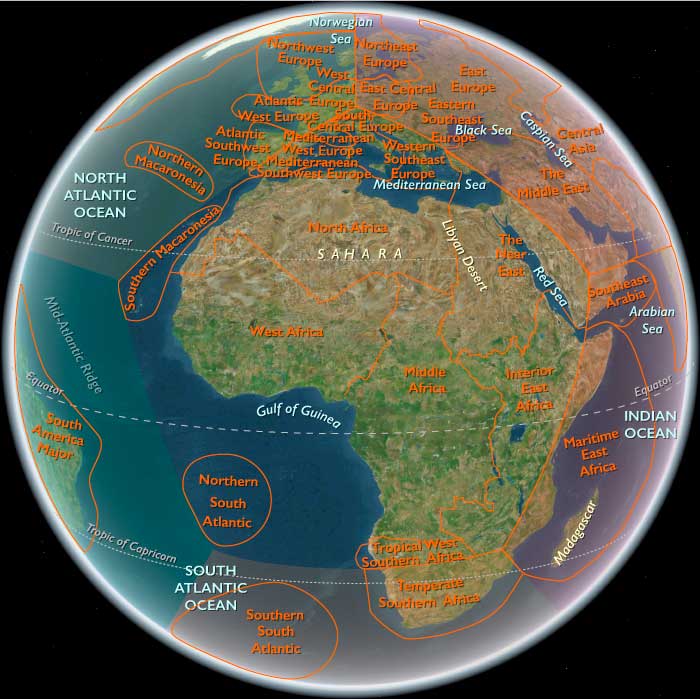
Between 1720 and 1731, the Ethiopian Empire continued its path toward decentralization and internal fragmentation. Emperor Bakaffa (r. 1721–1730), known for his efforts to reestablish some measure of central authority, confronted considerable resistance from entrenched provincial rulers and local nobility, whose influence had grown significantly since the turbulent reign of Tewoflos. Despite these challenges, Bakaffa was determined to restore stability, attempting to reorganize imperial administration and reaffirming royal authority through military expeditions and political alliances.
Bakaffa’s reign saw the brief restoration of imperial prestige, and he effectively employed diplomacy, marriage alliances, and force to keep powerful regional figures in check. He notably strengthened his influence by expanding and embellishing the capital at Gondar, reinforcing its cultural and political significance. However, these efforts achieved only temporary results, as the entrenched power structures of the provinces continued to erode central imperial control, setting the stage for Ethiopia's prolonged period of regional fragmentation, known as the Zemene Mesafint.
Meanwhile, in the lowlands to the east, the weakened Imamate of Aussa, established from remnants of the former Adal Sultanate, struggled to maintain its authority against rival Afar clans. By the end of this period (1731), Kedafu, a prominent local ruler, began consolidating power in the region, paving the way for the establishment of the more stable Sultanate of Aussa in 1734. This transition reflected broader trends in Interior East Africa, where declining central power continually facilitated the rise of strong regional polities.
-
{# Image navigates to the detail page; the magnifying-glass chip is the only Fancybox lightbox trigger (kept a separate sibling — anchors can't nest). #}
 The Middle of The Earth
World
The Middle of The Earth
World
-
{# Image navigates to the detail page; the magnifying-glass chip is the only Fancybox lightbox trigger (kept a separate sibling — anchors can't nest). #}
 East Africa
Region
East Africa
Region
-
{# Image navigates to the detail page; the magnifying-glass chip is the only Fancybox lightbox trigger (kept a separate sibling — anchors can't nest). #}
 Interior East Africa
Subregion
Interior East Africa
Subregion