
The death of the Habsburg empress Maria …
Years: 1781 - 1781
October
The death of the Habsburg empress Maria Theresa on November 29, 1780 had left her son Joseph II free to immediately direct his government on a new course.
He has proceeded to attempt to realize his ideal of enlightened despotism acting on a definite system for the good of all.
The measures of emancipation of the peasantry which his mother had begun are carried on by him with feverish activity; Joseph abolishes serfdom in 1781.
The spread of education, the secularization of church lands, the reduction of the religious orders and the clergy in general to complete submission to the lay state, the issue of the Patent of Tolerance (1781) providing limited guarantee of freedom of worship, the promotion of unity by the compulsory use of the German language (replacing Latin or in some instances local languages)—everything which from the point of view of eighteenth century philosophy, the Age of Enlightenment, appears "reasonable"—are undertaken at once.
He strives for administrative unity with characteristic haste to reach results without preparation.
The Patent of Tolerance (German: Toleranzpatent), an edict of toleration issued on October 13, 1781, as part of the Josephinist reforms, extends religious freedom to non-Catholic Christians living in the crown lands of the Habsburg Monarchy, including Lutherans, Calvinists, and the Eastern Orthodox.
Specifically, these members of minority faiths are now legally permitted to hold "private religious exercises" in clandestine churches.
For the first time after the Counter-Reformation, the Patent guarantees the practice of religion by the Evangelical Lutheran and the Reformed Church in Austria.
Nevertheless, worship is heavily regulated, wedding ceremonies remain reserved for the Catholic Church, and the Unity of the Brethren is still suppressed.
Similar to the articular churches admitted one hundred years before, Protestants are only allowed to erect 'houses of prayer' (Bethäuser) which should not in any way resemble church buildings.
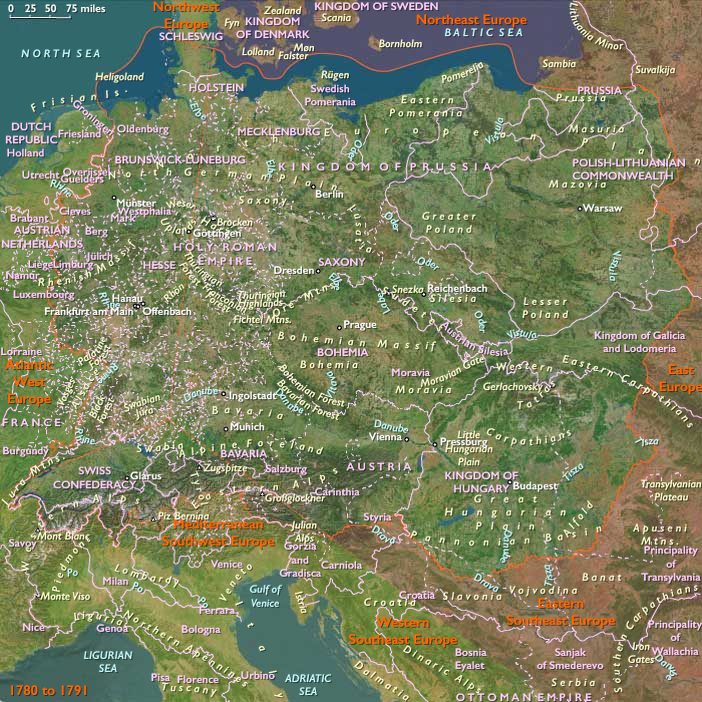
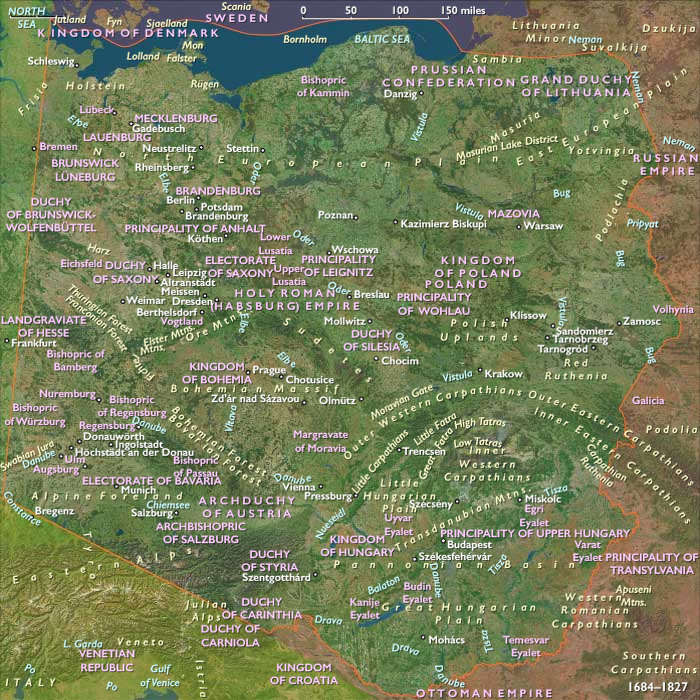
In many Habsburg areas, especially in the 'hereditary lands' of Upper Austria, Styria and Carinthia, Protestant parishes will quickly develop, strongly relying on crypto-protestant traditions.
He has proceeded to attempt to realize his ideal of enlightened despotism acting on a definite system for the good of all.
The measures of emancipation of the peasantry which his mother had begun are carried on by him with feverish activity; Joseph abolishes serfdom in 1781.
The spread of education, the secularization of church lands, the reduction of the religious orders and the clergy in general to complete submission to the lay state, the issue of the Patent of Tolerance (1781) providing limited guarantee of freedom of worship, the promotion of unity by the compulsory use of the German language (replacing Latin or in some instances local languages)—everything which from the point of view of eighteenth century philosophy, the Age of Enlightenment, appears "reasonable"—are undertaken at once.
He strives for administrative unity with characteristic haste to reach results without preparation.
The Patent of Tolerance (German: Toleranzpatent), an edict of toleration issued on October 13, 1781, as part of the Josephinist reforms, extends religious freedom to non-Catholic Christians living in the crown lands of the Habsburg Monarchy, including Lutherans, Calvinists, and the Eastern Orthodox.
Specifically, these members of minority faiths are now legally permitted to hold "private religious exercises" in clandestine churches.
For the first time after the Counter-Reformation, the Patent guarantees the practice of religion by the Evangelical Lutheran and the Reformed Church in Austria.
Nevertheless, worship is heavily regulated, wedding ceremonies remain reserved for the Catholic Church, and the Unity of the Brethren is still suppressed.
Similar to the articular churches admitted one hundred years before, Protestants are only allowed to erect 'houses of prayer' (Bethäuser) which should not in any way resemble church buildings.
In many Habsburg areas, especially in the 'hereditary lands' of Upper Austria, Styria and Carinthia, Protestant parishes will quickly develop, strongly relying on crypto-protestant traditions.
Locations
People
Groups
- Habsburg, House of
- Christians, Eastern Orthodox
- Christians, Roman Catholic
- Austria, Archduchy of
- Styria, Duchy of
- Unity of the Brethren (Moravians)
- Lutheranism
- Carinthia, Duchy of
- Protestantism
- Croatia, (Habsburg) Kingdom of
- Calvinists
- Habsburg Monarchy, or Empire
- Slavonia, (Habsburg) Kingdom of
Subjects
Regions
Subregions
Related Events
Showing 10 events out of 24975 total
Years: 1781 - 1781
October
Locations
People
Groups
- Habsburg, House of
- Christians, Eastern Orthodox
- Christians, Roman Catholic
- Austria, Archduchy of
- Styria, Duchy of
- Unity of the Brethren (Moravians)
- Lutheranism
- Carinthia, Duchy of
- Protestantism
- Croatia, (Habsburg) Kingdom of
- Calvinists
- Habsburg Monarchy, or Empire
- Slavonia, (Habsburg) Kingdom of
Subjects
Regions
Subregions