
Italian luthier Antonio Stradivari, having set up …
Years: 1684 - 1684
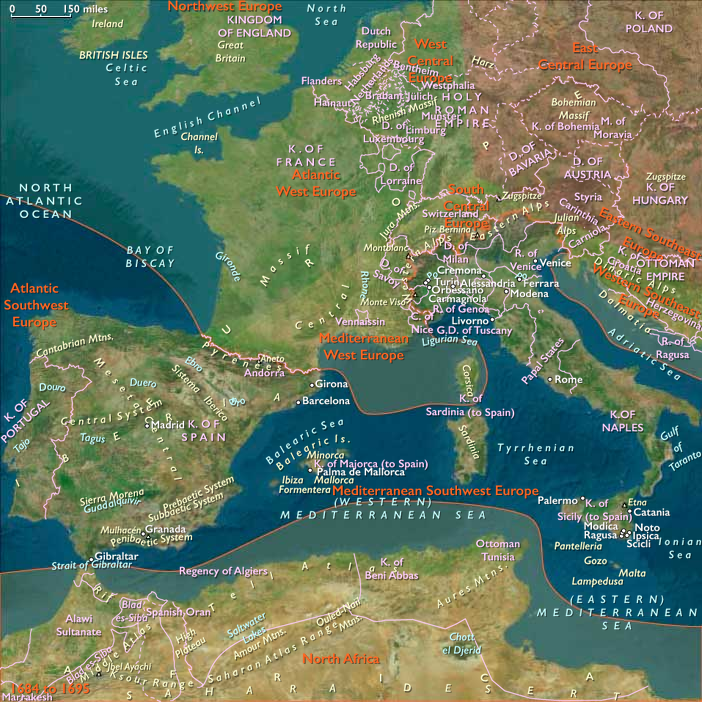
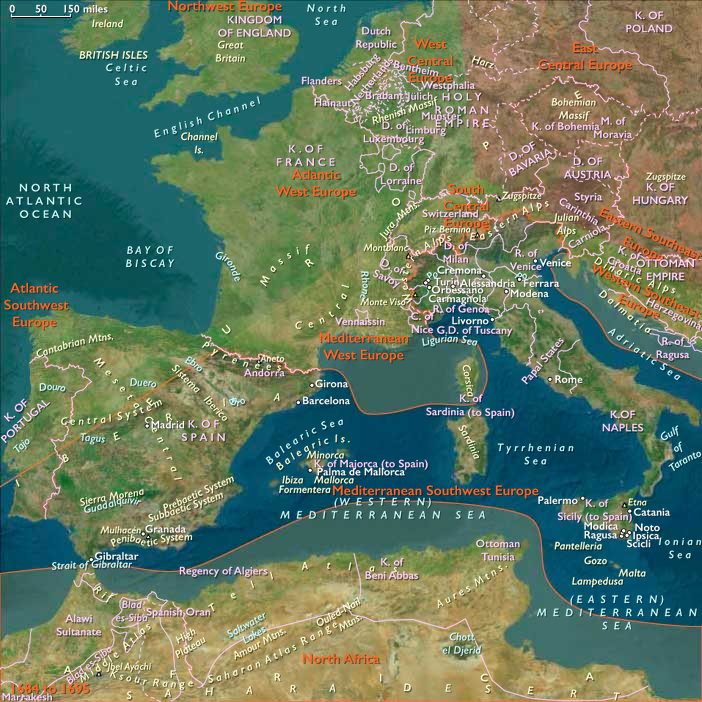
Italian luthier Antonio Stradivari, having set up for himself in Cremona's Piazza San Domenico in 1680, had soon established his fame as an instrument-maker.
He had begun to show his originality, and to make alterations in the violin model designed by Niccolò Amati, who is credited with the basic design of the modern violin, and with whom Stradivari may have apprenticed in the years 1667 through 1679.
The great contribution of the Amatis to the development of the violin has been their evolution of the flat, shallow model, which, as improved by Stradivari, proves the fittest to survive in modern concert conditions by reason of the brilliant soprano tone of which it is capable.
Stradivari has changed the arching, determined the various degrees of thickness in the wood more exactly, altered the formation of the scroll, and used a more highly colored varnish.
Stradivari has made a number of violins by 1684; in this era he will produce at least one cello, at least ten more violins, and a guitar. (Generally considered the most significant artisan in this field, the Latinized form of his surname, Stradivarius, as well as the colloquial, "Strad", is often used to refer to his instruments, which today sell for millions of dollars.)
Locations
People
Groups
Topics
Subjects
Regions
Subregions
Years: 1684 - 1684
Locations
People
Groups
Topics
Subjects
Regions
Subregions