
The observance of Groundhog Day in the…
February 1841 CE
The earliest mention of Groundhog Day is a February 2, 1840 entry in the diary of James L. Morris of Morgantown, Pennsylvania, in Pennsylvania Dutch Country, according to the book on the subject by Don Yoder.
This is a Welsh enclave but the diarist is commenting on his neighbors who are of German stock.
The weather lore is brought from German-speaking areas where the badger (German: dachs) is the forecasting animal.
This appears to be an enhanced version of the lore that clear weather on Candlemas forebodes a prolonged winter.
The tradition derives from the Pennsylvania Dutch superstition that if a groundhog (German: Grundsau, Grunddax, Dax) emerging from its burrow on this day sees a shadow due to clear weather, it will retreat to its den and winter will persist for six more weeks, and if it does not see its shadow because of cloudiness, spring will arrive early.
While the tradition will remain popular in modern times, studies will find no consistent correlation between a groundhog seeing its shadow or not and the subsequent arrival time of spring-like weather.
Groups
Subjects
Regions
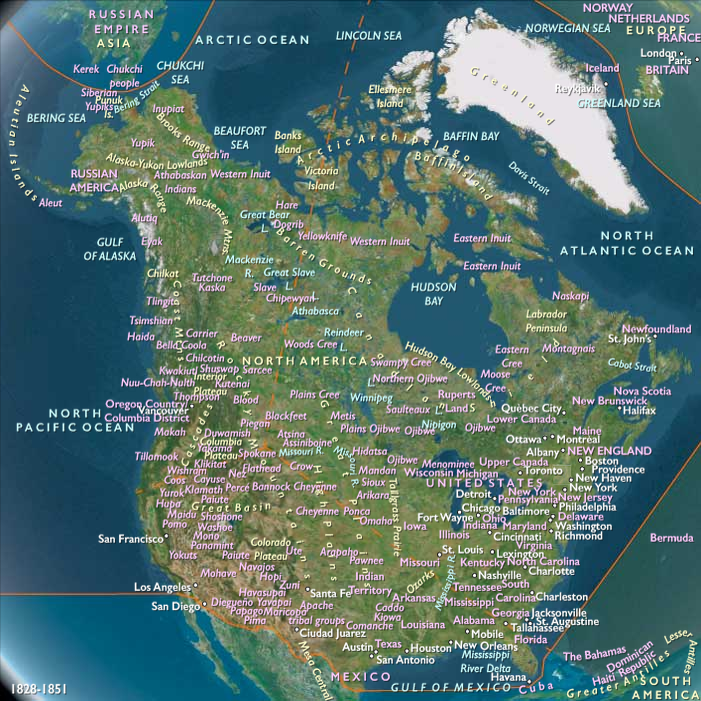
Northern North America
View →Subregions
