
John Foxe, educated at Oxford and a …
Years: 1554 - 1554
September
John Foxe, educated at Oxford and a fellow of Magdalen College, had been hired by Mary Fitzroy, Duchess of Richmond, as tutor to the orphan children of her brother, Henry Howard, Earl of Surrey, a Catholic who had been executed for treason in January 1547.
(The children are Thomas, who will become the fourth duke of Norfolk and a valuable friend of Foxe's; Jane, later Countess of Westmorland; Henry, later earl of Northampton; and Charles, who will later command the English fleet against the Spanish Armada.)
Foxe had been ordained deacon by Nicholas Ridley on June 24, 1550, and his circle of friends, associates, and supporters included John Hooper, William Turner, John Rogers, William Cecil, and most importantly John Bale, who was to become a close friend and "certainly encouraged, very probably guided, Foxe in the composition of his first martyrology.
From 1548 to 1551, Foxe had brought out one tract opposing the death penalty for adultery and another supporting ecclesiastical excommunication of those whom he thought "veiled ambition under the cloak of Protestantism."
He also worked unsuccessfully to prevent the two burnings for religion that had occurred during the reign of Edward VI.
On the accession of Mary I in July 1553, Foxe had lost his tutorship when the children's grandfather, the Duke of Norfolk, was released from prison.
Foxe walked warily, as befitted one who had published Protestant books in his own name.
As the political climate worsened, Foxe believed himself personally threatened by Bishop Stephen Gardiner.
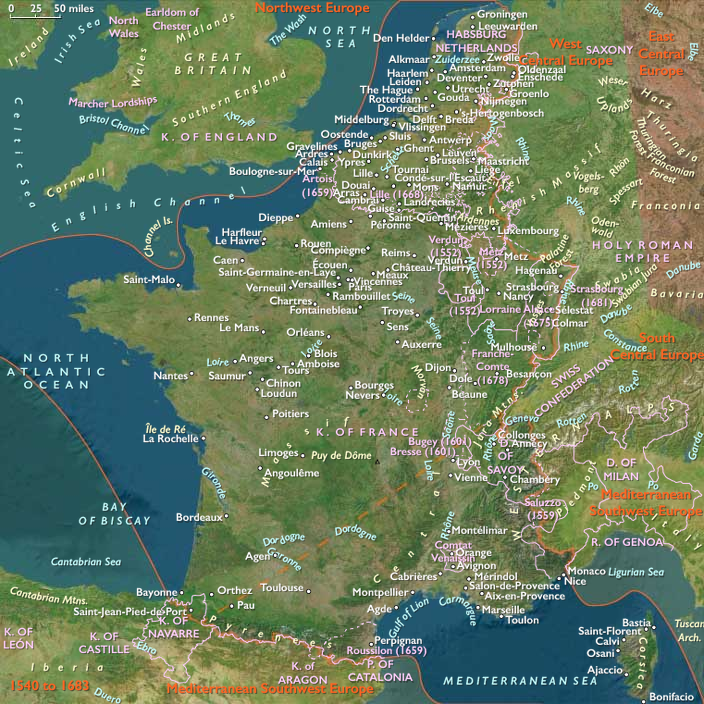
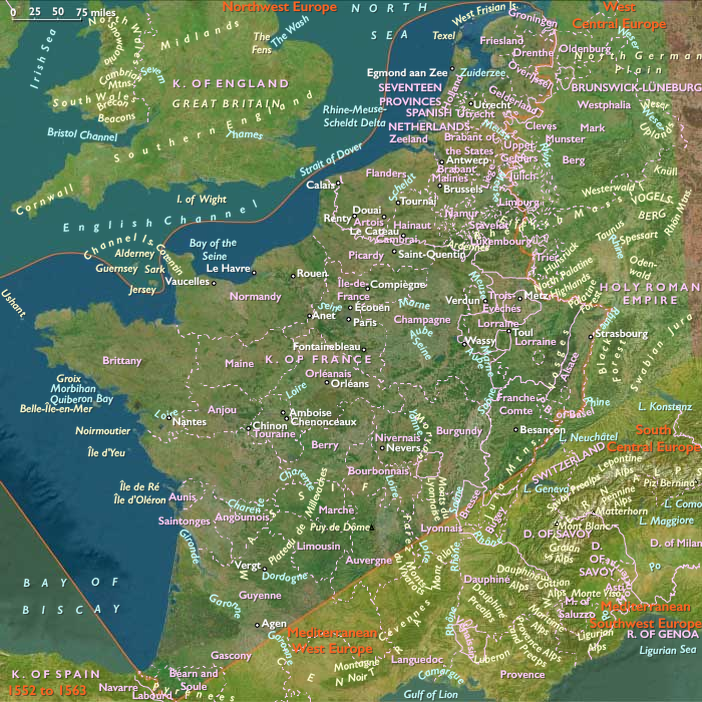
Just ahead of officers sent to arrest him, he had sailed with his pregnant wife from Ipswich to Nieuwpoort, then traveled to Antwerp, Rotterdam, Frankfurt and Strasbourg, which he reaches by July 1554.
In Strasbourg, Foxe publishes a Latin history of the Christian persecutions, the draft of which he had brought from England and "which became the first shadowy draft of his Acts and Monuments."
Locations
People
- Charles Howard
- John Foxe
- Mary I of England and Ireland
- Nicholas Ridley
- Stephen Gardiner
- Thomas Howard
- Thomas Howard
- Wiliam Cecil
Groups
Topics
Commodoties
Subjects
Regions
Subregions
Years: 1554 - 1554
September
Locations
People
- Charles Howard
- John Foxe
- Mary I of England and Ireland
- Nicholas Ridley
- Stephen Gardiner
- Thomas Howard
- Thomas Howard
- Wiliam Cecil
Groups
Topics
Commodoties
Subjects
Regions
Subregions