
Filters:
Julian’s Triumph at the Battle of Strasbourg …
Years: 357 - 357
Julian’s Triumph at the Battle of Strasbourg (Argentoratum) and His Rise in Gaul (357 CE)
By 357 CE, Julian had established himself as a resolute and highly effective military commander, successfully evicting barbarian invaders from Gaul and restoring the defensive line of forts along the Rhine, which had been largely destroyed during the civil war of 350–353 CE.
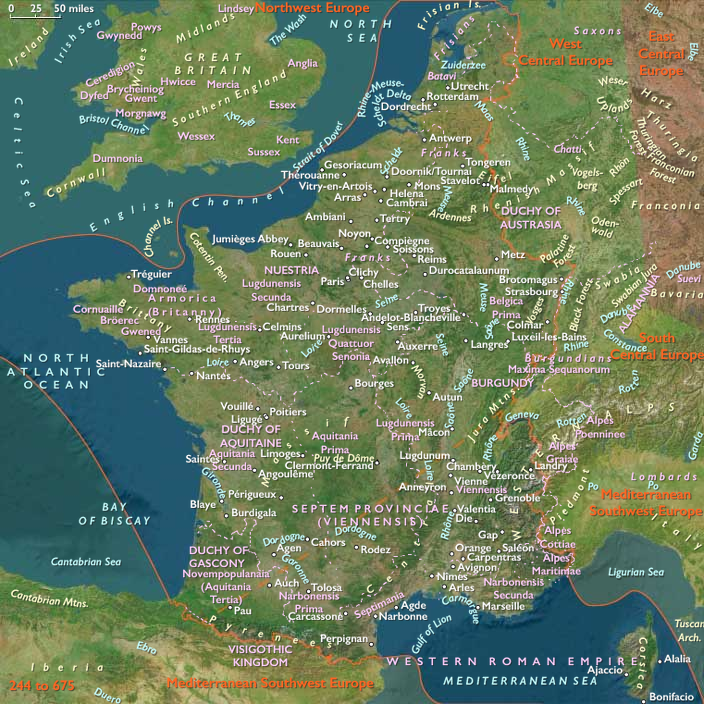
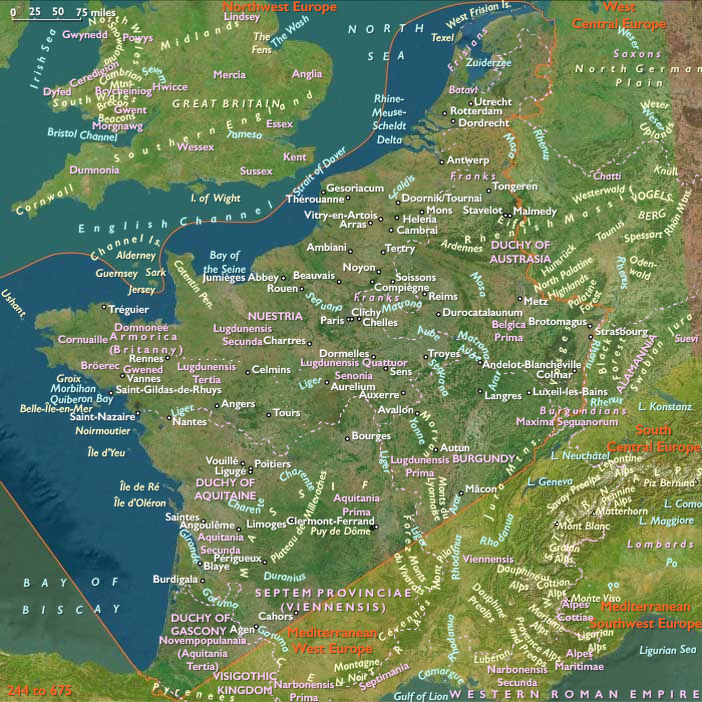
His greatest victory came at the Battle of Strasbourg (Argentoratum) in 357 CE, the climax of his campaigns to restore Roman control in Gaul.
1. The Battle of Strasbourg: A Decisive Roman Victory
- Julian’s army, though smaller in number, faced a large force of Alamanni led by their king, Chnodomar.
- Despite being outnumbered, the Roman infantry fought with superior discipline and tactics, turning the tide of battle.
- The Roman cavalry initially performed poorly, but Julian managed to rally his forces, leading to a resounding Roman victory.
- The Alamanni were driven beyond the Rhine, suffering heavy losses, while Roman casualties were minimal.
2. The Aftermath: Julian Restores Roman Gaul
- Julian restored approximately seventy plundered villages, reinforcing Roman control over the devastated province.
- With this victory, Gaul was largely secured, and the Rhine frontier was reestablished as the northern boundary of the empire.
- His military leadership and restoration of order made him immensely popular with both his troops and the Gallic population.
3. Julian Gains Supreme Command in Gaul
- After his successes in battle, Emperor Constantius II officially granted Julian supreme command over all military operations in Gaul.
- Despite this, relations between Constantius and Julian remained tense, as the emperor feared Julian’s growing popularity.
- Julian’s practice of distributing pay ex manubiis (from the spoils of war) further endeared him to the legions, increasing concerns that he might become a rival for the throne.
4. The Army Hails Julian as Augustus: The Seeds of Civil War (357 CE)
- After his famous victory at Strasbourg, Julian’s troops attempted to proclaim him Augustus, elevating him to equal status with Constantius II.
- Julian refused the title, avoiding an immediate break with Constantius, but the event foreshadowed a looming civil war.
- As Julian’s reputation as a military leader grew, Constantius’ suspicions deepened, setting the stage for an eventual confrontation.
5. Conclusion: Julian’s Rise and the Unraveling of the Empire
- The Battle of Strasbourg was a turning point in Julian’s career, solidifying his reputation as a brilliant general.
- His successful campaigns in Gaul secured Rome’s northern frontier, but also made him a political threat to Constantius II.
- Although civil war was temporarily averted, tensions between the two rulers would continue to escalate, eventually leading to Julian’s proclamation as Augustus in 360 CE and the final struggle for control of the empire.
Julian’s meteoric rise as a commander in Gaul ultimately set the stage for his later claim to the throne, as the empire teetered on the brink of another internal war.
Locations
People
Groups
- Polytheism (“paganism”)
- Germania Inferior (Roman province)
- Alamanni (Germanic tribal alliance)
- Gaul, Diocese of
- Roman Empire: Constantinian dynasty (Constantinople)
- Gaul, Praetorian prefecture of
Topics
Commodoties
Subjects
Regions
Subregions
Years: 357 - 357
Locations
People
Groups
- Polytheism (“paganism”)
- Germania Inferior (Roman province)
- Alamanni (Germanic tribal alliance)
- Gaul, Diocese of
- Roman Empire: Constantinian dynasty (Constantinople)
- Gaul, Praetorian prefecture of
Topics
Commodoties
Subjects
Regions
Subregions