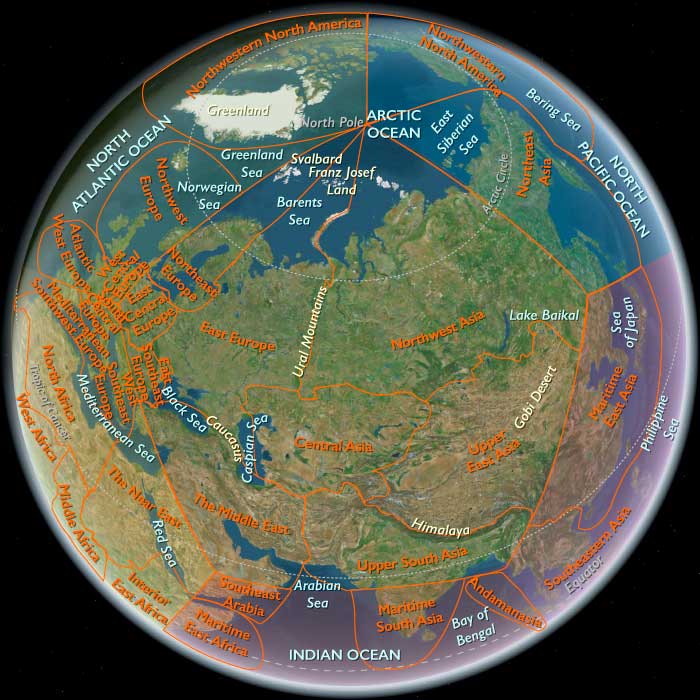
Event
King Shattuara of Mitanni, a son or…
King Shattuara of Mitanni, a son or nephew of Wasahatta, rebels against the Assyrian yoke with the help of the Hittites and the nomadic Ahlamu around 1250 BCE in the reign of Shalmaneser I (1270s-1240s).
His army is well prepared; they have occupied all the mountain passes and water holes, so that the Assyrian army suffers from thirst during their advance.
Nevertheless, Shalmaneser wins a crushing victory.
He claims to have slain fourteen thousand four hundred men; the rest are blinded and carried away.
His inscriptions mention the conquest of nine fortified temples; one hundred and eighty Hurrian cities are "turned into rubble mounds", and Shalmaneser "…slaughtered like sheep the armies of the Hittites and the Ahlamu his allies…".
The cities from Taidu to Irridu are captured, as well as all of Mount Kashiar to Eluhat and the fortresses of Sudu and Harranu to Carchemish on the Euphrates.
Another inscription mentions the construction of a temple to Adad in Kahat, a city of Mitanni that must have been occupied as well.
A part of the population is deported and serves as cheap labor.
Administrative documents mention barley allotted to "uprooted men", deportees from Mitanni.
For example, the governor of the city Nahur, Meli-Sah receives barley to be distributed to deported persons from Shuduhu "as seed, food for their oxen and for themselves".
The Assyrians build a line of frontier fortifications against the Hittites on the Balikh River.
Mitanni is now ruled by the Assyrian grand-vizier Ili-ippada, a member of the Royal family, who takes the title of king (sharru) of Hanilgalbat.
He resides in the newly built Assyrian administrative center at Tell Sabi Abyad, governed by the Assyrian steward Tammitte.
Assyrians maintain not only military and political control, but seem to have dominated trade as well, as no Hurrian names appear in private records of Shalmaneser's time.
-
{# Image navigates to the detail page; the magnifying-glass chip is the only Fancybox lightbox trigger (kept a separate sibling — anchors can't nest). #}
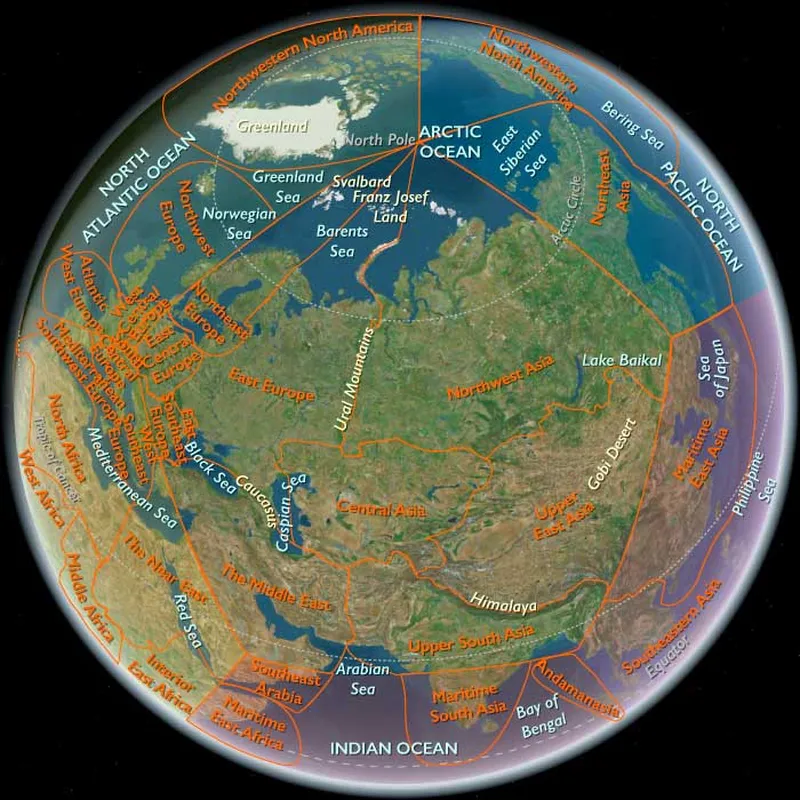 The Great Crossroads
World
The Great Crossroads
World
-
{# Image navigates to the detail page; the magnifying-glass chip is the only Fancybox lightbox trigger (kept a separate sibling — anchors can't nest). #}
 The Near and Middle East
Region
The Near and Middle East
Region
-
{# Image navigates to the detail page; the magnifying-glass chip is the only Fancybox lightbox trigger (kept a separate sibling — anchors can't nest). #}
 Middle East
Subregion
Middle East
Subregion