
King Sigismund, after some delay, had assented …
Years: 1525 - 1525
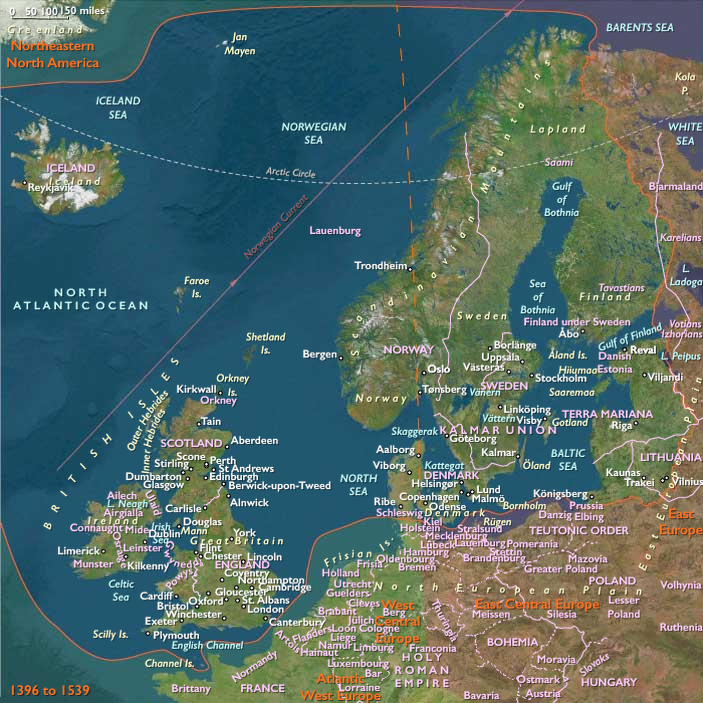
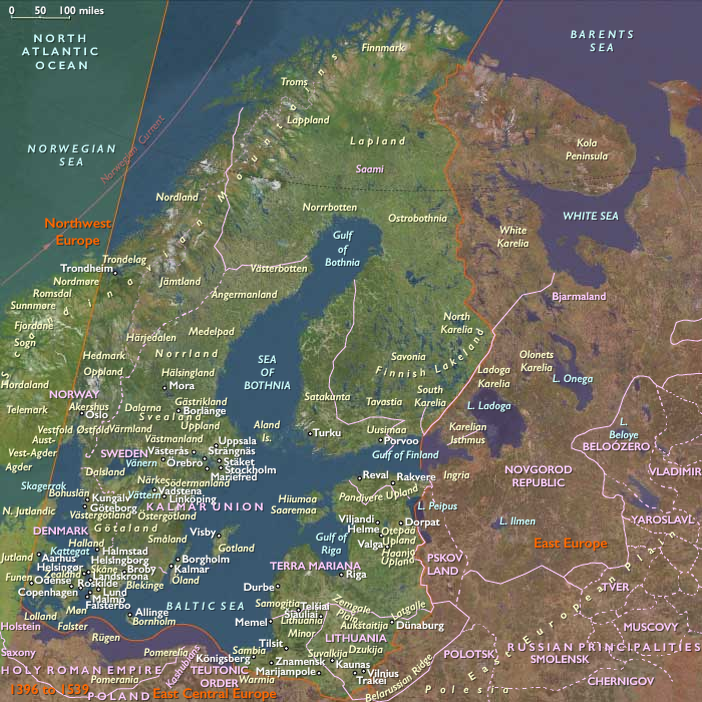
King Sigismund, after some delay, had assented to Albert’s offer to convert the Teutonic Knights realm into a hereditary duchy, with the provision that Prussia should be treated as a Polish fiefdom; and after this arrangement had been confirmed by a treaty concluded at Kraków, Albert had pledged a personal oath to Sigismund I and was invested with the duchy for himself and his heirs on February 10, 1525.
The Estates of the land now met at Königsberg and take the oath of allegiance to the new duke, who uses his full powers to promote the doctrines of Luther.
This transition does not, however, take place without protest.
Summoned before the imperial court of justice, Albert refuses to appear and is proscribed, while the Order elects a new Grand Master, Walter von Cronberg, who receives Prussia as a fief at the imperial Diet of Augsburg.
As the German princes are experiencing the tumult of the Reformation, the German Peasants' War, and the wars against the Ottoman Turks, they do not enforce the ban on the duke, and agitation against him soon dies away.
Locations
People
- Albert of Prussia
- Andreas Osiander
- Charles V, Holy Roman Emperor
- George of Brandenburg-Ansbach
- Martin Luther
- Sigismund I (”the Old”) Jagiello
Groups
- Papal States (Republic of St. Peter)
- Christians, Roman Catholic
- Nuremberg, Free Imperial City of
- Hungary, Kingdom of
- Poland of the Jagiellonians, Kingdom of
- Brandenburg, (Hohenzollern) Margravate of
- Holy Roman Empire
- Prussia, Royal (autonomous subject of the Polish Crown)
- Teutonic Knights of Prussia, or Monastic state of the Teutonic Knights (House of the Hospitalers of Saint Mary of the Teutons in Jerusalem)
- Lutheranism
- Protestantism
Topics
Commodoties
Subjects
Regions
Subregions
Years: 1525 - 1525
Locations
People
- Albert of Prussia
- Andreas Osiander
- Charles V, Holy Roman Emperor
- George of Brandenburg-Ansbach
- Martin Luther
- Sigismund I (”the Old”) Jagiello
Groups
- Papal States (Republic of St. Peter)
- Christians, Roman Catholic
- Nuremberg, Free Imperial City of
- Hungary, Kingdom of
- Poland of the Jagiellonians, Kingdom of
- Brandenburg, (Hohenzollern) Margravate of
- Holy Roman Empire
- Prussia, Royal (autonomous subject of the Polish Crown)
- Teutonic Knights of Prussia, or Monastic state of the Teutonic Knights (House of the Hospitalers of Saint Mary of the Teutons in Jerusalem)
- Lutheranism
- Protestantism
Topics
Commodoties
Subjects
Regions
Subregions