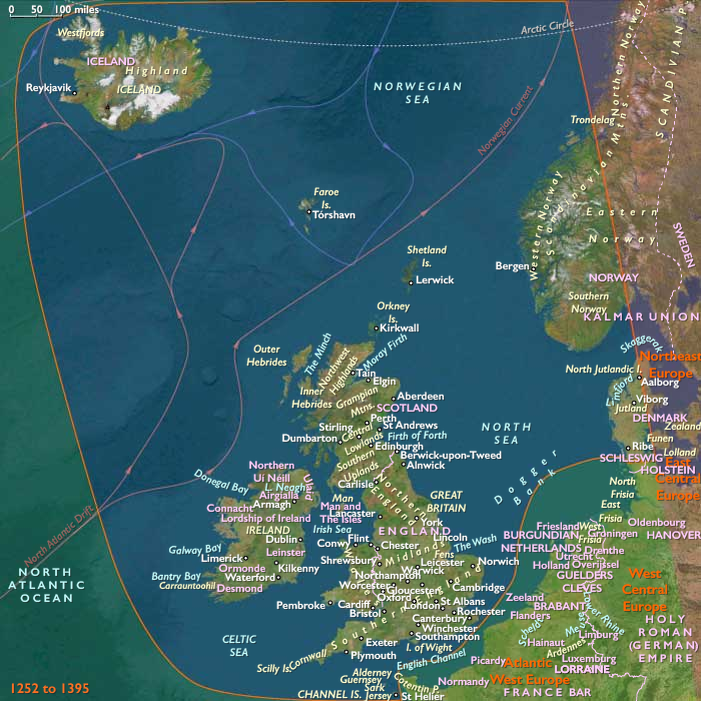
Llywelyn had responded to de Clare’s ongoing…
1272 CE
Llywelyn had responded to de Clare’s ongoing construction by intervening with his own forces, but the diplomatic efforts of Henry III prevent outright conflict.
De Clare had continued building work and in 1270 Llywelyn had responded by attacking and burning the site, probably destroying the temporary defenses and stores.
De Clare had begun work again the following year, raising tensions and prompting Henry to send two bishops, Roger de Meyland and Godfrey Giffard, to take control of the site and arbitrate a solution to the dispute.
The bishops had taken possession of the castle later in 1271 and promised Llywelyn that building work would temporarily cease and that negotiations would begin the following summer.
In February of the next year, however, de Clare's men seize back the castle, throw out the bishops' soldiers, and de Clare—protesting his innocence in these events—begins work once again.
Neither Henry nor Llywelyn can readily intervene and de Clare is able to lay claim to the whole of Glamorgan.
Work on the castle continues, with additional water defenses, towers and gatehouses added.
People
Commodities
Regions
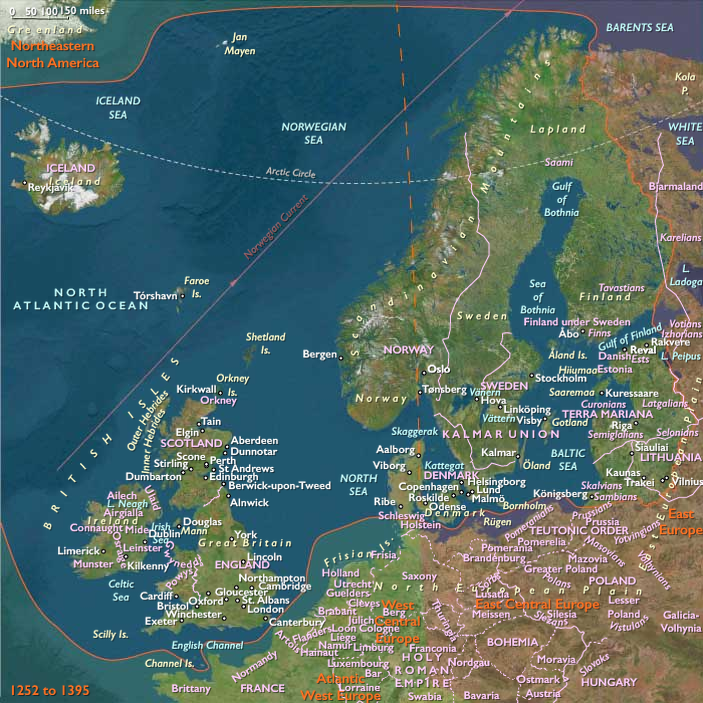
North Europe
View →Subregions