
French military leaders had had early intelligence…
September 1757 CE
Loudoun is to command the land forces, while a squadron under Francis Holbourne, Vice Admiral of the Blue, will transport the troops and face any French naval threats.
Between January and April 1757 squadrons had sailed from Brest and Toulon, some of which went to reinforce the squadron based at Louisbourg.
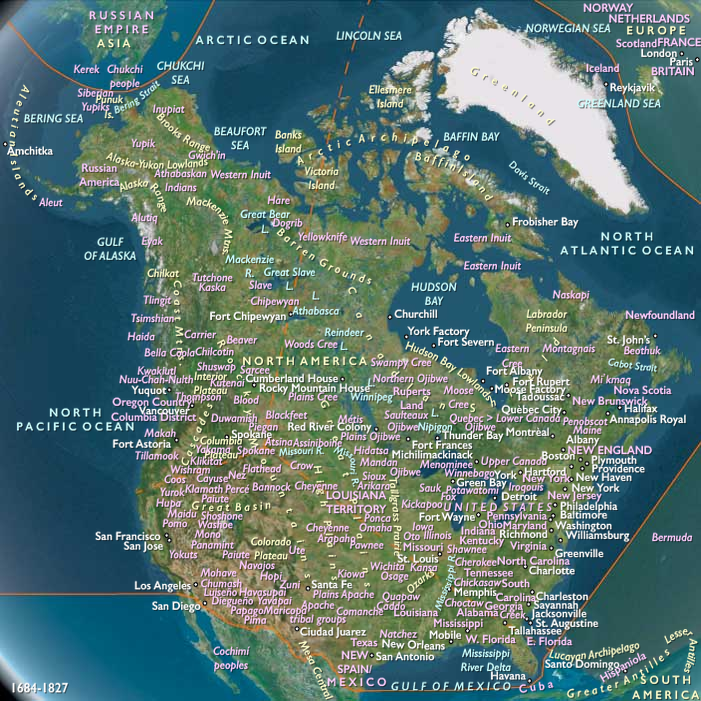
Dubois de La Motte commands a squadron of nine ships of the line and two frigates at Louisbourg, which has been joined by that of Joseph de Bauffremont from Saint-Domingue with five ships of the line and a frigate, and four ships and two frigates from Toulon under Joseph-François de Noble Du Revest.
Admiral Holburne had been aware of the arrival of French reinforcements, but the expedition was not yet ready, and only sailed in early August.
By the middle of the month his ships were patrolling off Louisbourg, but Dubois de La Motte chose to stay in the harbor.
Fever had struck Holburne's fleet, causing much of it to remain in port.
As the days progressed, the weather deteriorated.
Finally, on September 24, 1757, the British fleet is scattered by a violent storm that drives the sixty-gun Tilbury onto the shore, sinks the fourteen-gun Ferret, and dismasts most of the remainder of his fleet, but the French cannot pursue them due to a typhus epidemic.
Holburne will send the most heavily damaged ships back to England while he winters in Halifax with the rest of the fleet.
Dubois de La Motte will return to Brest with his sick men on October 20, 1757.
Images

Joshua Reynolds: Portrait of Francis Holburne, with his son, Sir Francis Holburne, 4th Baronet (1756); oil on canvas; 127 × 101.5 cm (50 × 40 in); National Maritime Museum
Locations
Groups
Topics
Commodities
Subjects
Regions
Northern North America
View →Subregions
