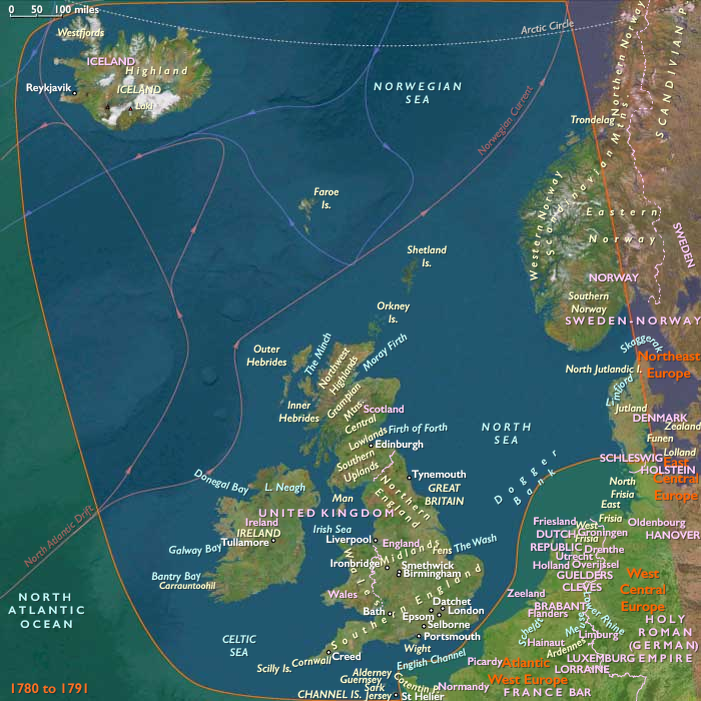
The first lifeboat station in Britain was…
January 1790 CE
The first lifeboat station in Britain was at Formby beach, established in 1776 by William Hutchinson, Dock Master for the Liverpool Common Council.
The first non-submersible ('unimmergible') lifeboat is credited to Lionel Lukin, an Englishman who, in 1784, had modified and patented a twenty-foot (six point meterone) Norwegian yawl, fitting it with water-tight cork-filled chambers for additional buoyancy and a cast iron keel to keep the boat upright.
The first boat specialized as a lifeboat is tested on the River Tyne in England on January 29, 1790, built by Henry Greathead.
The design wins a competition organized by the private Law House committee, though William Wouldhave and Lionel Lukin both claim to be the inventor of the first lifeboat.
Greathead's boat, the Original (combined with some features of Wouldhave's) will enter service in 1790 and another thirty-one of the same design will be constructed.
The twenty-eight foot (eight and a half meters) boat is rowed by up to twelve crew for whom cork jackets are provided.
Subjects
Regions
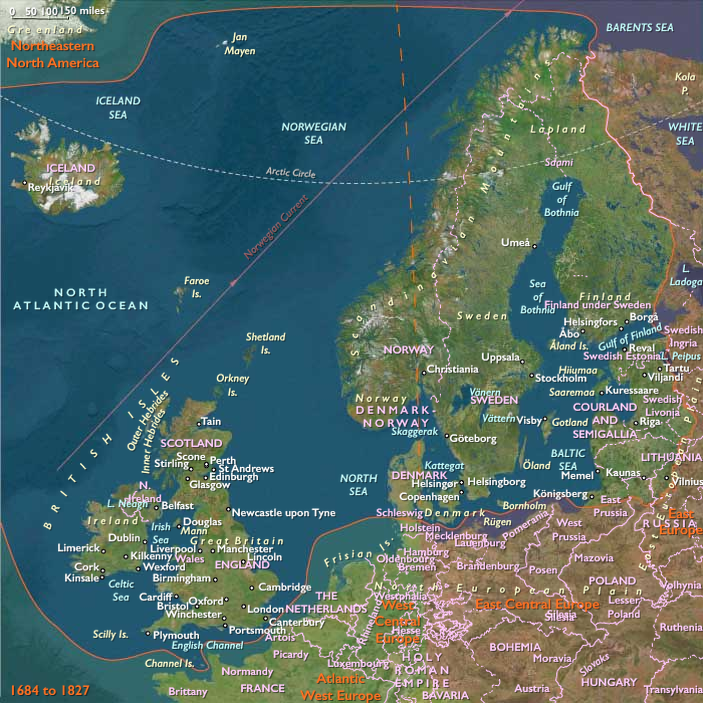
North Europe
View →Subregions