
Filters:
The Influence of Egyptian Mummy Portraits on …
Years: 292 - 303
The Influence of Egyptian Mummy Portraits on Roman Realistic Portraiture
By the late 2nd and 3rd centuries CE, Roman portraiture increasingly adopted a realistic style, emphasizing naturalistic facial features, individual expression, and depth. This shift was significantly influenced by Egyptian mummy portraits, a Greco-Roman funerary art form practiced in Roman Egypt, particularly in the Faiyum region.
1. Characteristics of Egyptian Mummy Portraits
- Mummy portraits, dating from the 1st century BCE to the 3rd century CE, were painted on wooden panels and placed over mummified bodies.
- They featured lifelike depictions, using realistic shading, depth, and individualized features, a stark contrast to the idealized sculptures of earlier Roman art.
- Techniques such as encaustic painting (pigments mixed with hot wax) and tempera allowed for a rich color palette and expressive detail.
2. The Transition to Realism in Roman Portraiture
- Earlier Roman portraiture, particularly during the Republic and early Empire, often reflected veristic (hyper-realistic) traditions, emphasizing wrinkles, age lines, and individual imperfections to highlight wisdom and experience.
- During the Antonine and Severan periods (2nd–3rd centuries CE), Roman portraits evolved further, incorporating techniques from Egyptian mummy paintings:
- More naturalistic facial features with softer modeling and shading.
- Deep-set eyes and melancholic expressions, emphasizing individual character over idealization.
- The use of painted or sculpted pupils and irises, bringing a sense of liveliness to Roman busts and statues.
3. Cultural Exchange and the Blending of Artistic Traditions
- Egypt had been under Roman control since 30 BCE, allowing for significant artistic and cultural exchanges between Greco-Egyptian and Roman traditions.
- The realism of mummy portraits found resonance in Roman society, particularly in portrait busts of emperors, senators, and elites, who sought to be remembered in a lifelike and personal manner.
- The spiritual and commemorative aspects of mummy portraits may have also influenced the Roman approach to memorial portraiture, reinforcing the idea of preserving identity beyond death.
4. Long-Term Impact on Roman Art
- The fusion of Egyptian and Roman artistic styles contributed to the evolution of Late Antique and Byzantine portraiture, where naturalism remained an important element.
- This trend influenced later European artistic movements, including Renaissance portraiture, which revived realistic shading and individualized expressions.
Conclusion: A Defining Moment in Roman Artistic Evolution
The realistic style in Roman portraiture, dominant by the 2nd and 3rd centuries CE, was deeply shaped by Egyptian mummy portraits, reflecting a broader artistic and cultural exchange within the Roman Empire. This cross-cultural influence helped define the transition from Classical idealism to Late Antique realism, leaving a lasting impact on the visual representation of identity in Western art.
Groups
Topics
Subjects
Regions

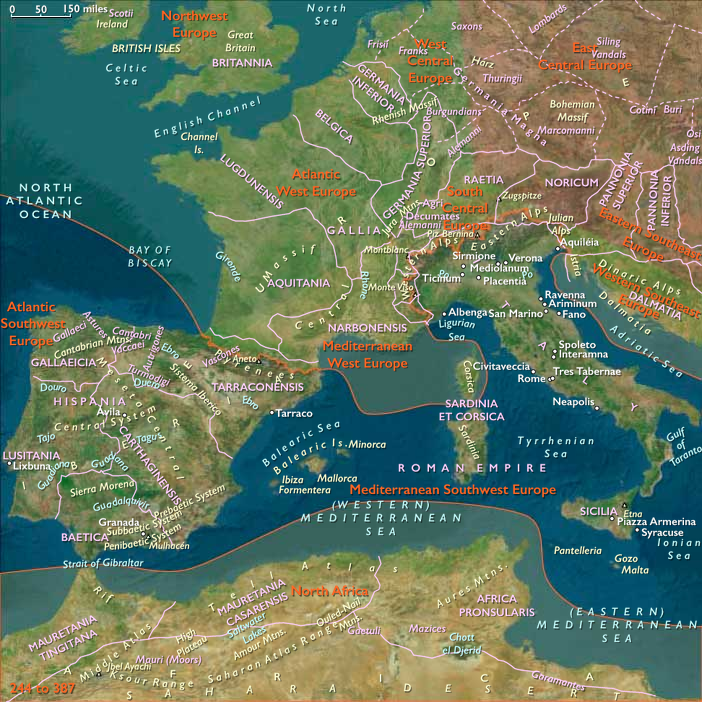
Subregions
- East Central Europe
- Eastern Southeast Europe
- Middle East
- Near East
- Western Southeast Europe
- South Central Europe
- Mediterranean West Europe
- Mediterranean Southwest Europe
- North Africa
- Atlantic Southwest Europe
- Atlantic West Europe
- West Central Europe
- Northwest Europe
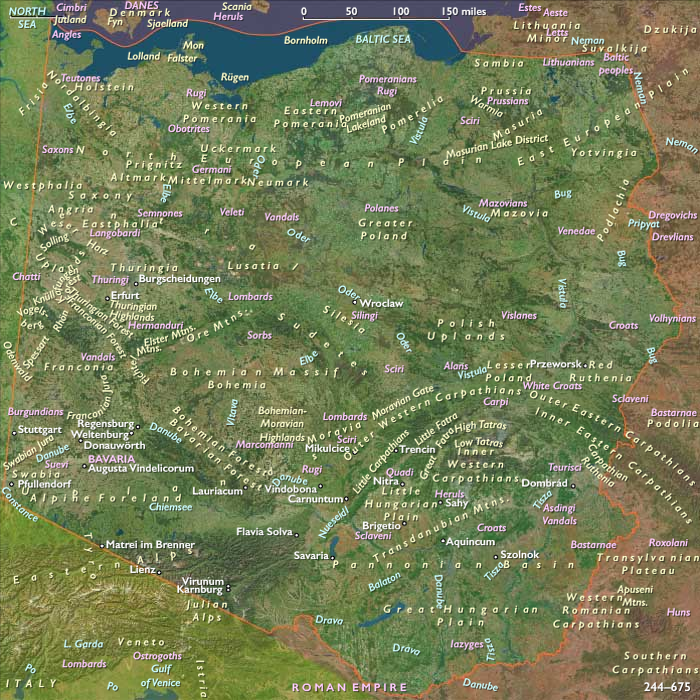
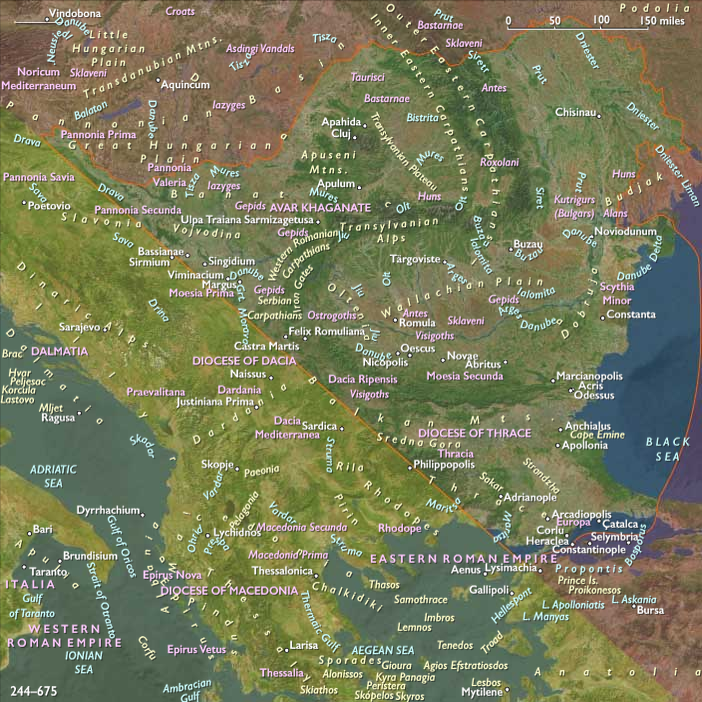
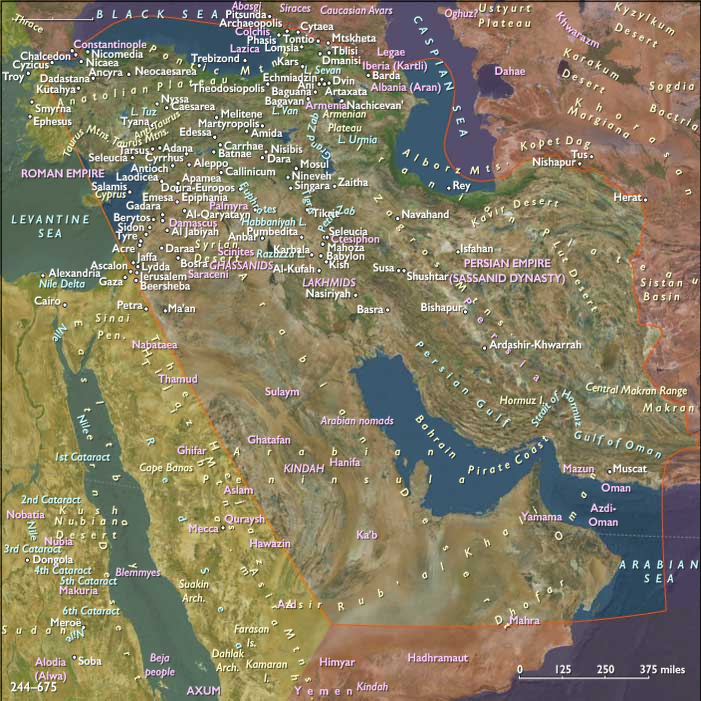

Years: 292 - 303
Groups
Topics
Subjects
Regions
Subregions
- East Central Europe
- Eastern Southeast Europe
- Middle East
- Near East
- Western Southeast Europe
- South Central Europe
- Mediterranean West Europe
- Mediterranean Southwest Europe
- North Africa
- Atlantic Southwest Europe
- Atlantic West Europe
- West Central Europe
- Northwest Europe