
Mediterranean Southwest Europe (213–202 BCE): Roman Resilience …
Years: 213BCE - 202BCE
Mediterranean Southwest Europe (213–202 BCE): Roman Resilience and Victory in the Second Punic War
The era 213–202 BCE witnesses Rome’s determined counteroffensive against Carthage, demonstrating strategic resilience, adaptability, and ultimately achieving a decisive victory in the Second Punic War. Despite Hannibal’s earlier successes, Rome’s disciplined military and strategic diplomacy enable it to reverse its fortunes, reshaping the geopolitical landscape of the Mediterranean.
Rome’s Fabian Strategy and Strategic Countermeasures
Adopting the Fabian strategy—a deliberate avoidance of direct large-scale engagements—Roman generals methodically weaken Hannibal's forces by disrupting supply lines, retaking defected cities, and preventing the formation of a unified Carthaginian alliance. This approach successfully slows Hannibal's momentum, effectively isolating his army in southern Italy and depriving him of critical resources and reinforcements.
Roman Siegecraft and Military Triumphs
Capitalizing on superior siegecraft and logistical capability, Roman forces systematically recapture strategic towns and cities previously allied with Hannibal. By 207 BCE, Rome decisively defeats Carthaginian attempts at reinforcing Hannibal through the crucial Battle of the Metaurus, marking a turning point by eliminating Hannibal’s vital reinforcement under his brother, Hasdrubal Barca.
Roman Dominance in Iberia
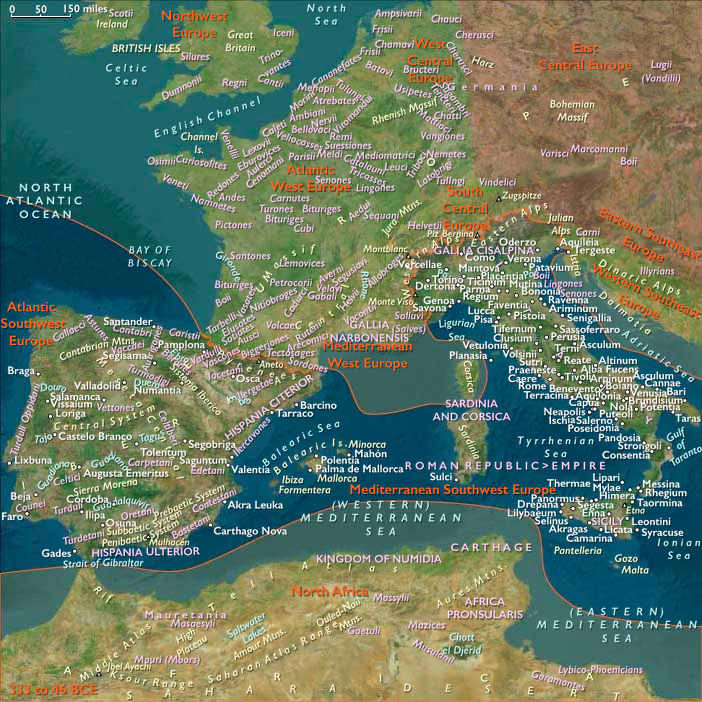
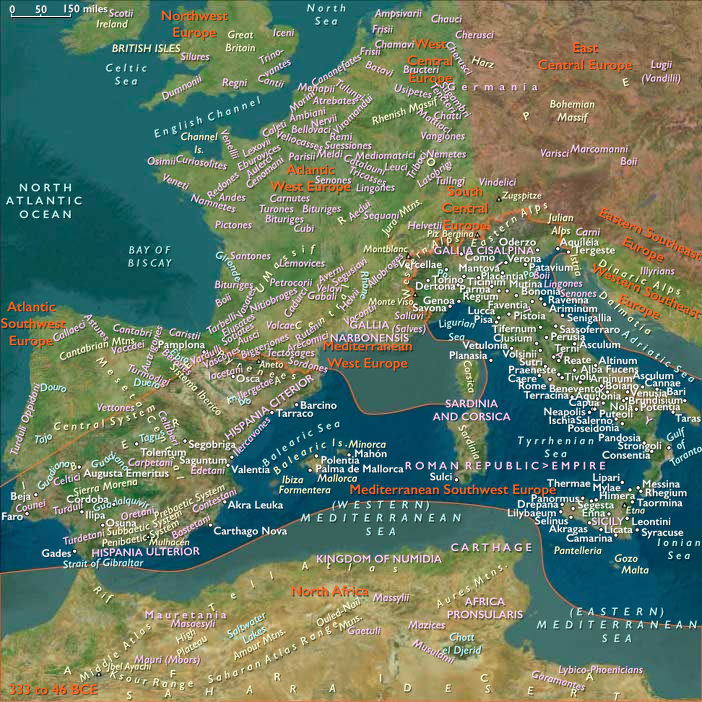
Simultaneously, Roman armies under the command of Publius Cornelius Scipio Africanus Major secure significant victories in Iberia. The decisive Roman capture of Carthago Nova (209 BCE) effectively dismantles Carthaginian dominance on the Iberian Peninsula. Further, Rome achieves a definitive triumph at the Battle of Ilipa (206 BCE), effectively ending Carthaginian influence in Iberia, significantly undermining Carthage's ability to sustain its Italian campaign.
Culmination at Zama and Carthage’s Defeat
In 202 BCE, the Battle of Zama near Carthage marks the climactic end of the Second Punic War. Here, Scipio Africanus faces Hannibal directly in a decisive confrontation. Hannibal's forces, although seasoned and battle-hardened, suffer a conclusive defeat against Scipio’s disciplined Roman legions. The resultant peace terms drastically curtail Carthaginian power, relegating Carthage to the status of a Roman client state, effectively ending its position as a dominant Mediterranean power.
Long-term Impacts and Legacy
The Second Punic War profoundly reshapes the geopolitical dynamics of Mediterranean Southwest Europe. Rome emerges as an undisputed regional hegemon, significantly expanding its influence across Italy, Iberia, and North Africa. Hannibal’s earlier victories and Rome’s eventual triumph underline Rome’s military resilience and strategic depth, setting a precedent for its later expansion and dominance in the broader Mediterranean region. The war’s end signals not only the rise of Rome as a superpower but also the definitive decline of Carthage’s imperial ambitions.
People
Groups
- Berber people (also called Amazigh people or Imazighen, "free men", singular Amazigh)
- Carthage, Kingdom of
- Numidians
- Gauls
- Roman Republic
Topics
Subjects
Regions
Subregions
Years: 213BCE - 202BCE
People
Groups
- Berber people (also called Amazigh people or Imazighen, "free men", singular Amazigh)
- Carthage, Kingdom of
- Numidians
- Gauls
- Roman Republic
Topics
Subjects
Regions
Subregions