
Mediterranean Southwest Europe (40–51 CE): Caligula’s Fall …
Years: 40 - 51
Mediterranean Southwest Europe (40–51 CE): Caligula’s Fall and Claudius’s Stabilizing Reign
The era 40–51 CE sees the end of Caligula’s controversial rule, followed by the stabilizing and productive reign of his successor, Claudius. This period is characterized by political turmoil, followed by significant administrative reforms, territorial expansion, and efforts to restore public confidence in imperial leadership.
Caligula’s Increasing Tyranny and Assassination
By 40 CE, Caligula’s reign becomes increasingly erratic and despotic. His rule is marked by extravagance, cruelty, and erratic governance, deeply alienating the Roman elite and populace. Ultimately, Caligula’s extreme behavior leads to his assassination in January 41 CE by members of the Praetorian Guard and senatorial conspirators, ending his short but notorious reign.
Ascension of Claudius
Immediately following Caligula’s assassination, his uncle Claudius, initially overlooked due to perceived weakness and physical infirmities, is elevated to emperor by the Praetorian Guard. Claudius’s unexpected rise to power initially generates skepticism among the elite, but he swiftly demonstrates capability and effectiveness in governance.
Administrative Reforms and Stability
Claudius implements significant administrative and judicial reforms, strengthening central governance and improving provincial management. He emphasizes meritocracy, expands the bureaucracy with capable freedmen, and enhances legal frameworks, contributing substantially to the stability and efficiency of the Roman administration.
Territorial Expansion: The Conquest of Britain
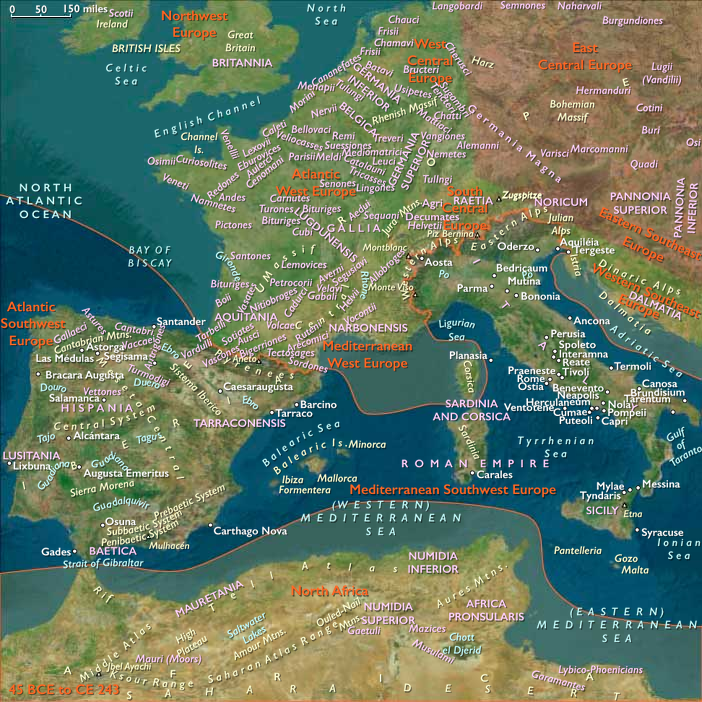
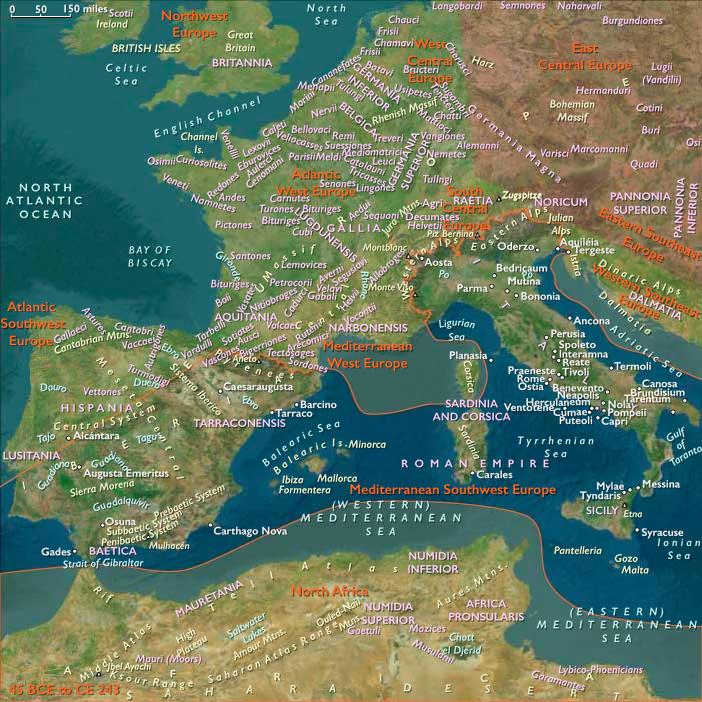
Claudius notably initiates the Roman conquest of Britain in 43 CE, a bold military campaign intended to secure his legitimacy and prestige. This conquest significantly expands Roman influence and territory, further strengthening Rome’s geopolitical stature.
Infrastructure and Economic Growth
Claudius vigorously promotes infrastructure development, commissioning major public works such as roads, aqueducts, canals, and ports—including notable expansions in the port of Ostia. These projects significantly boost economic activity, trade, and connectivity within the empire.
Social and Cultural Developments
Under Claudius, cultural and scholarly pursuits experience a resurgence. A scholarly emperor himself, Claudius sponsors cultural and historical works, reviving intellectual and artistic activities. His reign fosters a renewed sense of stability and cultural optimism after the uncertainty and turmoil of Caligula’s rule.
Legacy of the Era
The era 40–51 CE is pivotal in restoring stability and effective governance after the turbulence of Caligula’s reign. Claudius’s reforms, administrative effectiveness, and territorial expansions significantly shape the trajectory of the Roman Empire, reaffirming its strength, resilience, and imperial cohesion.
People
Groups
Topics
Subjects
Regions
Subregions
Years: 40 - 51
People
Groups
Topics
Subjects
Regions
Subregions