
Mediterranean Southwest Europe (316–327 CE): Consolidation of …
Years: 316 - 327
Mediterranean Southwest Europe (316–327 CE): Consolidation of Constantine’s Rule and Christian Expansion
The era 316–327 CE in Mediterranean Southwest Europe is characterized by Constantine the Great’s continued consolidation of power, profound religious transformations, and extensive administrative and economic reforms. This period solidifies Christianity’s position within Roman society and significantly reshapes the imperial landscape.
Constantine’s Imperial Consolidation
Following the decisive Battle of Milvian Bridge and the Edict of Milan (313 CE), Constantine further solidifies his authority, systematically weakening rivals and strengthening imperial unity. His rule significantly stabilizes the empire, restoring effective governance after decades of instability.
Civil Wars and Consolidation of Power
The era sees Constantine engage in a series of civil conflicts, notably against Licinius, culminating in the decisive Battle of Chrysopolis in 324 CE. Constantine’s victory firmly establishes him as the sole ruler of the Roman Empire, ending the divided leadership under the previous Tetrarchic system.
Foundation of Constantinople
In 324 CE, Constantine initiates the construction of Constantinople (modern Istanbul), a new imperial capital strategically positioned between Europe and Asia. Officially dedicated in 330 CE, this city profoundly reshapes imperial administration, becoming a significant political, economic, and cultural center.
Religious Reforms and the Council of Nicaea
Christianity, significantly favored by Constantine, experiences rapid growth and increasing prominence. In 325 CE, Constantine convenes the First Council of Nicaea, aiming to resolve doctrinal disputes within Christianity. This council produces the foundational Nicene Creed, significantly influencing Christian theology and organizational unity.
Economic and Administrative Enhancements
Constantine’s rule includes continued economic stabilization and significant administrative restructuring. He implements fiscal reforms, further stabilizes the imperial currency, and enhances provincial governance, fostering regional prosperity and imperial coherence.
Cultural and Intellectual Flourishing
The stabilization under Constantine invigorates cultural and intellectual activities. The arts, literature, and philosophical thought thrive, now heavily influenced by Christian theology and ecclesiastical developments, reflecting the broader cultural shift within the empire.
Legacy of the Era
The era 316–327 CE profoundly transforms Mediterranean Southwest Europe through Constantine’s decisive leadership, foundational religious reforms, and major administrative developments. The establishment of Constantinople and the outcomes of the Council of Nicaea leave lasting legacies, significantly reshaping the Roman Empire’s political, religious, and cultural trajectory.
People
Groups
- Christians, Early
- Roman Empire: Tetrarchy
- Roman Empire: Constantinian dynasty (Nicomedia)
- Christianity, Nicene
Topics
Subjects
Regions
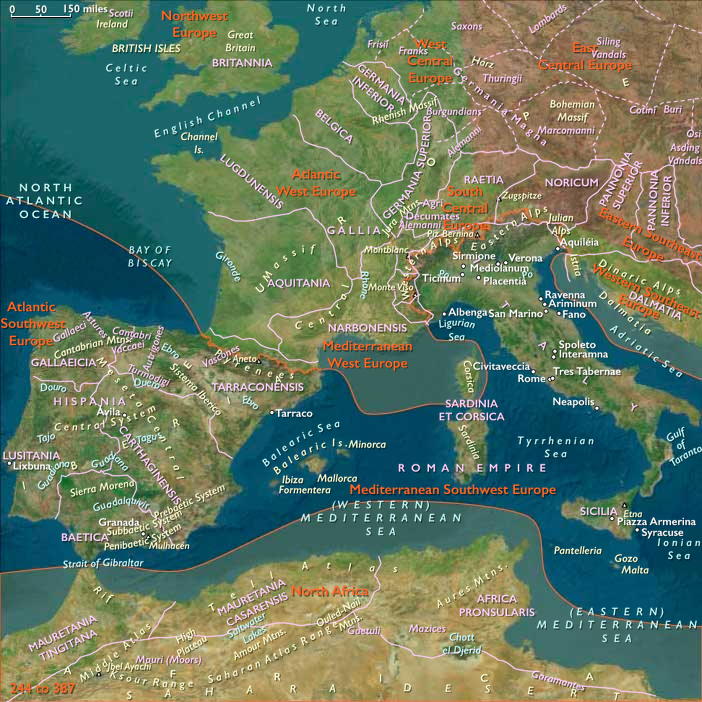
Subregions
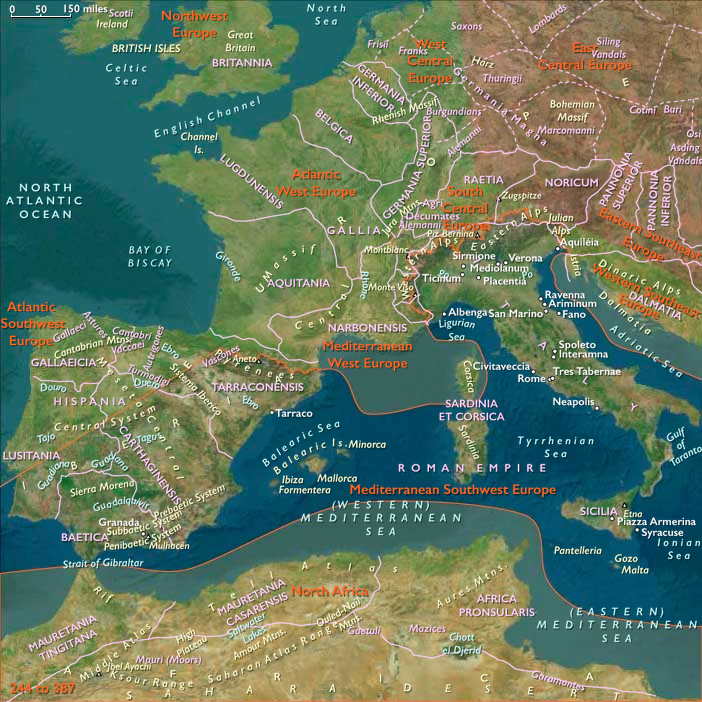
Years: 316 - 327
People
Groups
- Christians, Early
- Roman Empire: Tetrarchy
- Roman Empire: Constantinian dynasty (Nicomedia)
- Christianity, Nicene
Topics
Subjects
Regions
Subregions