Event
British policy views colonies as suppliers of…
British policy views colonies as suppliers of raw materials and purchasers of manufactured goods.
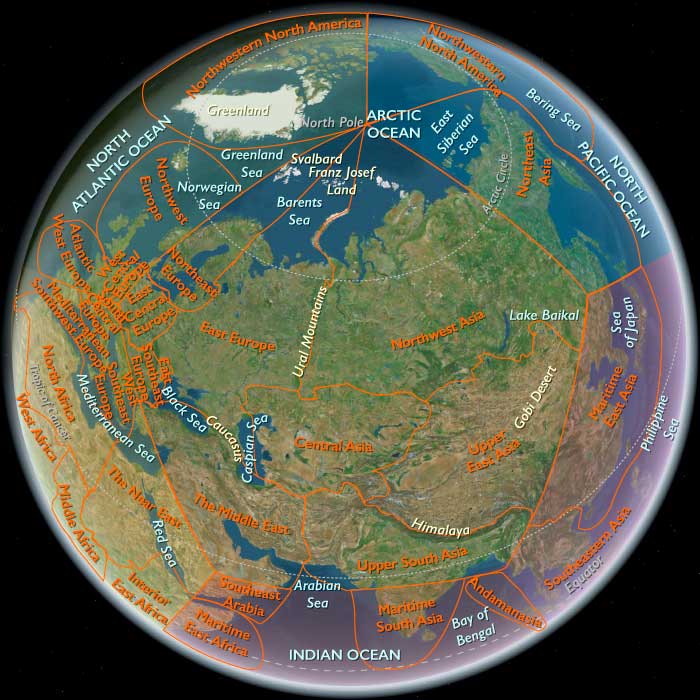
The British conquest of India coincides with the Industrial Revolution in Britain, led by the mechanization of the textile industry.
As a result of the British policy of dumping machine-made goods in the subcontinent, India's domestic craft industries had been thoroughly ruined, and its trade and commerce had collapsed.
Eastern Bengal had been particularly hard hit.
Muslin cloth from Dhaka had become popular in eighteenth-century Europe until British muslin drove it off the market.
The British conquest of India coincides with the Industrial Revolution in Britain, led by the mechanization of the textile industry.
As a result of the British policy of dumping machine-made goods in the subcontinent, India's domestic craft industries had been thoroughly ruined, and its trade and commerce had collapsed.
Eastern Bengal had been particularly hard hit.
Muslin cloth from Dhaka had become popular in eighteenth-century Europe until British muslin drove it off the market.
-
{# Image navigates to the detail page; the magnifying-glass chip is the only Fancybox lightbox trigger (kept a separate sibling — anchors can't nest). #}
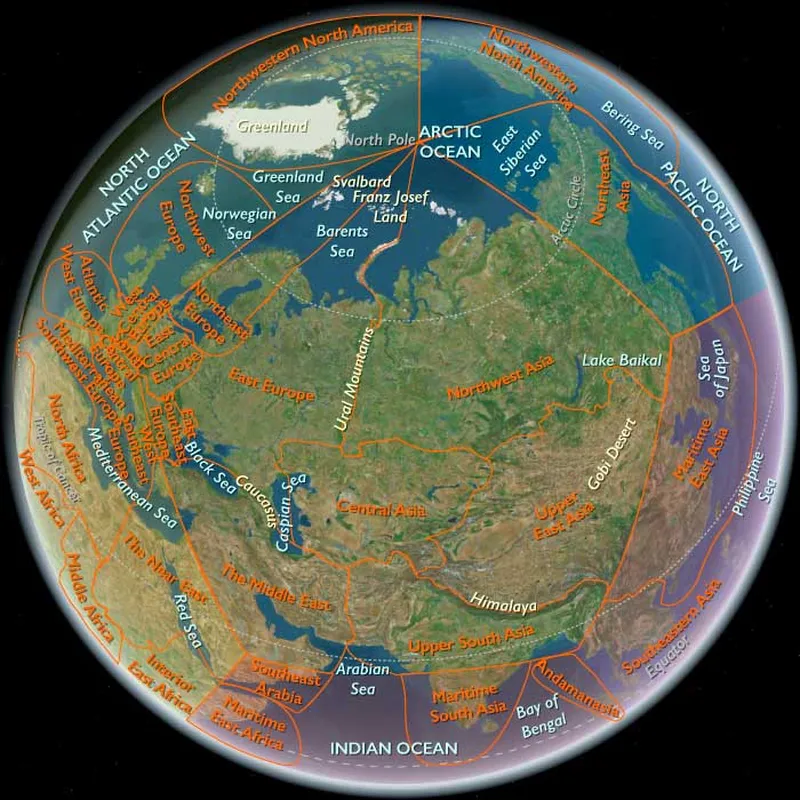 The Great Crossroads
World
The Great Crossroads
World
-
{# Image navigates to the detail page; the magnifying-glass chip is the only Fancybox lightbox trigger (kept a separate sibling — anchors can't nest). #}
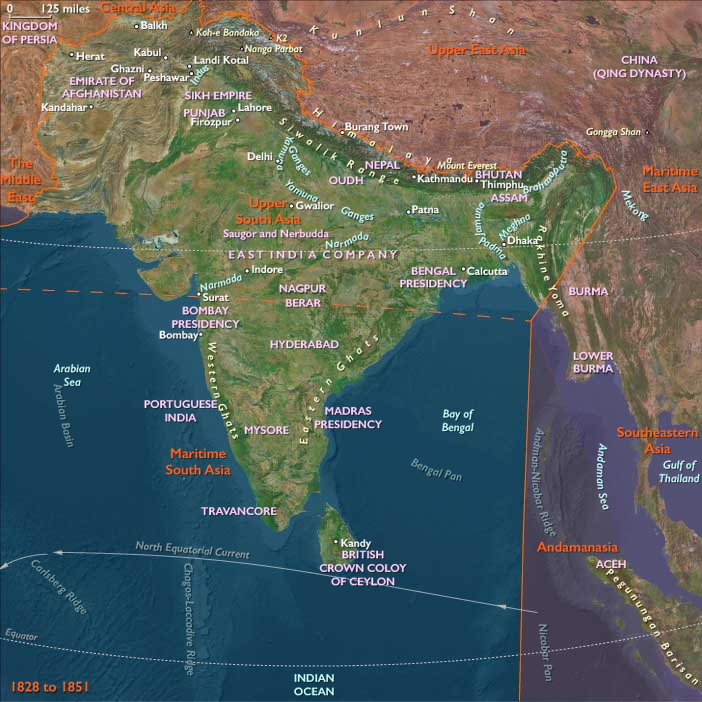 South Asia
Region
South Asia
Region
-
{# Image navigates to the detail page; the magnifying-glass chip is the only Fancybox lightbox trigger (kept a separate sibling — anchors can't nest). #}
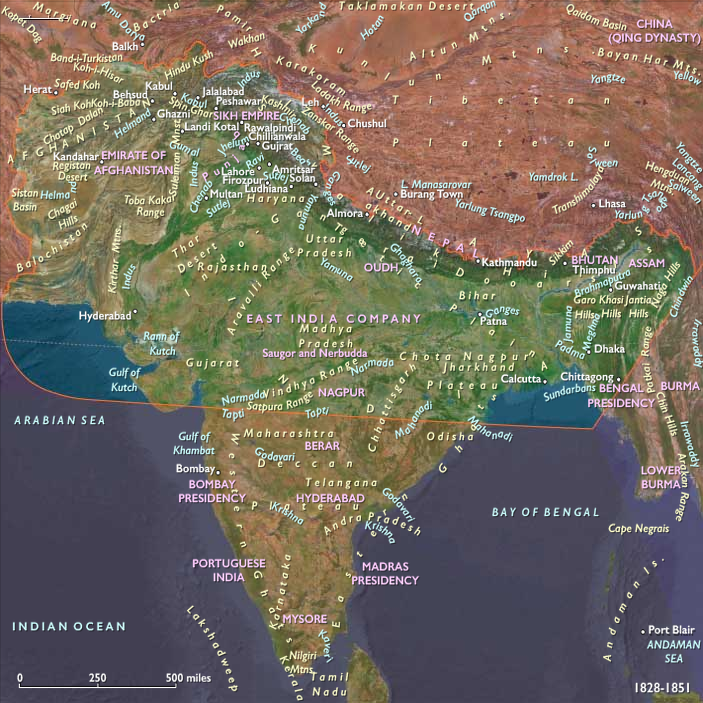 Upper South Asia
Subregion
Upper South Asia
Subregion