
Iraq's oldest and most deeply ingrained conflict…
1912 CE to 1923 CE
The centralization policies of the Sublime Porte (Ottoman government), especially in the nineteenth century, constituted a direct threat to the nomadic structure and the fierce fighting spirit of the tribes.
In addition to tribal-urban conflicts, the tribes fight among themselves, and there is a fairly rigid hierarchy between the most powerful tribes, the so-called "people of the camel," and the weaker tribes that include the "people of the sheep," marshdwellers, and peasants.
The cities also are sharply divided, both according to occupation and along religious lines.
The various guilds reside in distinct, autonomous areas, and Shia and Sunni Muslims rarely intermingle.
The territory that will eventually become the state of Iraq is beset, furthermore, by regional differences in orientation; Mosul in the north has historically looked to Syria and to Turkey, whereas Baghdad and the Shia holy cities have maintained close ties with Iran and with the people of the western and southwestern deserts.
Locations
Topics
Commodities
Regions
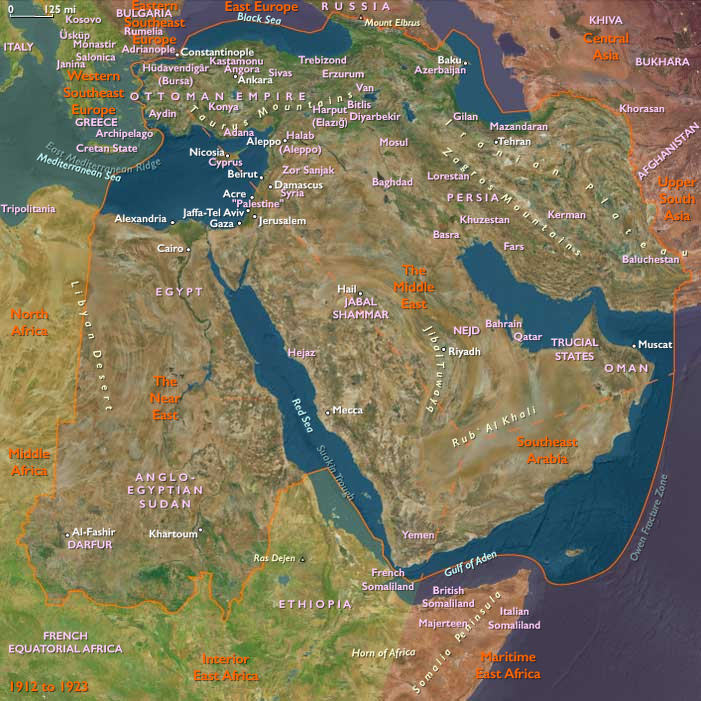
The Near and Middle East
View →Subregions
