Event
Near East (189–178 BCE): Roman Expansion and…
Near East (189–178 BCE): Roman Expansion and Galatian Defeat
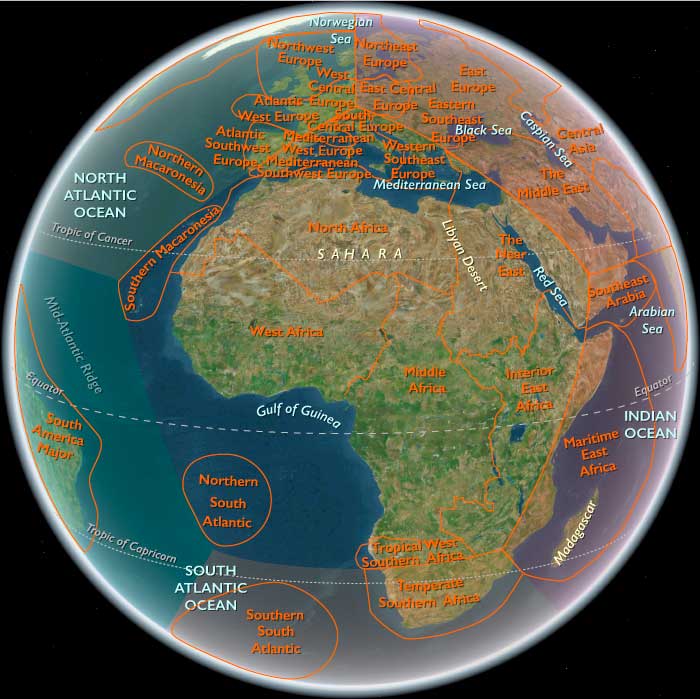
The era from 189 to 177 BCE marks a pivotal period in the Near East, highlighting the growing dominance of the Roman Republic in the eastern Mediterranean basin. Having decisively defeated Seleucid King Antiochus III in the Roman–Syrian War, Rome now asserts its influence by redistributing territories among its allies and punishing its opponents. Although Rome's stated policy emphasizes the "liberation of the Greeks," in practice, it expands the power and territorial claims of favored states such as Pergamon and Rhodes, significantly reshaping regional politics.
In 189 BCE, Roman consul Gnaeus Manlius Vulso initiates an unauthorized military campaign against the Galatian tribes of central Asia Minor. Justifying his actions as retaliation for the Galatians' earlier support of the Seleucids, Vulso, allied with forces from Pergamon, launches aggressive military operations into Galatian territories. The Romans decisively defeat the Galatians first at Mount Olympus and subsequently near present-day Ankara, compelling the tribes to sue for peace. Despite initial controversy in Rome regarding Vulso's unilateral actions and potential breach of peace with the Seleucids, he is ultimately cleared of wrongdoing and granted a celebratory triumph by the Roman Senate.
Legacy of the Era
This period solidifies Roman authority in Asia Minor, significantly curtailing Galatian autonomy and further demonstrating Rome's willingness to enforce its hegemony through direct military intervention. These developments signal the inception of a lasting Greco-Roman cultural and political framework, laying foundations for the future Roman dominion over the Near East.
-
{# Image navigates to the detail page; the magnifying-glass chip is the only Fancybox lightbox trigger (kept a separate sibling — anchors can't nest). #}
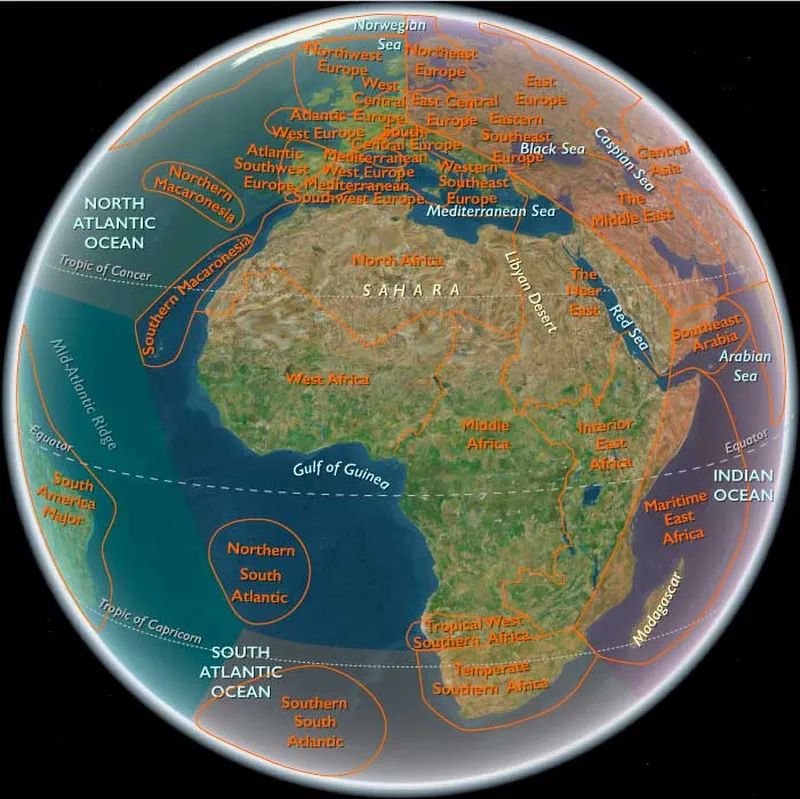 The Middle of The Earth
World
-
{# Image navigates to the detail page; the magnifying-glass chip is the only Fancybox lightbox trigger (kept a separate sibling — anchors can't nest). #}
 The Near and Middle East
Region
-
{# Image navigates to the detail page; the magnifying-glass chip is the only Fancybox lightbox trigger (kept a separate sibling — anchors can't nest). #}
 Near East
Subregion