
The Spanish Resistance Gains Momentum – The …
Years: 1808 - 1808
July
The Spanish Resistance Gains Momentum – The Battle of Bailén (July 23, 1808)
After occupying Portugal in late 1807, Napoleon turned his attention to Spain in 1808, seeking to consolidate French control over the Iberian Peninsula. However, his efforts met fierce and widespread resistance. Though initially disorganized, the Spanish forces achieved several notable victories, marking the beginning of serious trouble for Napoleon’s ambitions in Spain.
Spanish Resistance – Early Engagements Against the French
- By July 1808, the Spanish had engaged the French in at least a dozen battles, managing to win or at least avoid outright defeat in seven of them.
- The Spanish uprisings, fueled by outrage at Napoleon’s imposition of his brother Joseph Bonaparte as king, transformed into a full-scale popular war against the French occupation.
- Spanish guerrilla forces harassed French supply lines, while regular Spanish armies regrouped and launched counteroffensives.
The Battle of Bailén (July 23, 1808) – A Stunning Spanish Victory
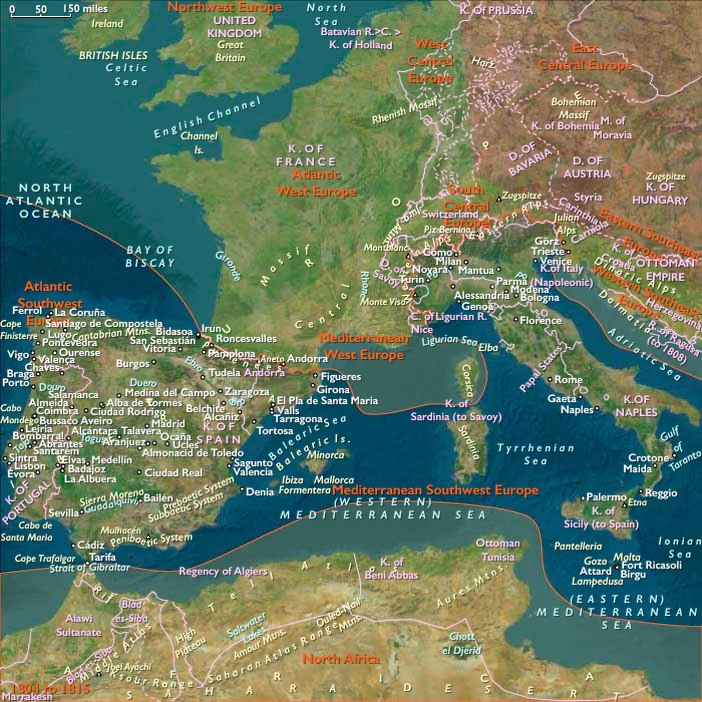
The most spectacular victory came on July 23, 1808, in southern Spain, when General Francisco Javier Castaños led Spanish forces to a decisive triumph over the French at Bailén.
- French General Pierre Dupont, leading 18,000 troops, had advanced into Andalusia, expecting little organized resistance.
- Castaños’ Spanish forces outmaneuvered him, cutting off his supply lines and encircling his army near Bailén.
- After fierce fighting, the French forces, exhausted and demoralized, were forced to surrender—marking the first major open-field defeat of Napoleon’s army in Europe.
Impact of the Spanish Victory at Bailén
- The myth of French invincibility was shattered – Bailén was Napoleon’s first significant battlefield defeat in Europe.
- The French were forced to withdraw from much of Spain – In the wake of the defeat, Joseph Bonaparte abandoned Madrid, retreating north to Vitoria.
- The Spanish resistance gained momentum – The victory inspired further uprisings and resistance efforts across Spain and Portugal.
- Britain intensified its involvement – Seeing Spain’s ability to resist Napoleon, Britain increased its military aid, sending Arthur Wellesley’s expeditionary force to Portugal in August 1808.
Conclusion – A Turning Point in the Peninsular War
Though Napoleon’s forces were still formidable, the Battle of Bailén marked the beginning of the downfall of French rule in Iberia. The combination of Spanish resistance, British intervention, and Portuguese defiance ensured that the Peninsular War (1808–1814) would become one of the defining conflicts of the Napoleonic era, ultimately leading to Napoleon’s expulsion from the Iberian Peninsula.
Locations
People
Groups
- Portugal, Bragança Kingdom of
- Spain, Bourbon Kingdom of
- Britain (United Kingdom of Great Britain and Ireland)
- France, (first) Empire of
Topics
Subjects
Regions
Subregions

Related Events
Showing 10 events out of 21882 total
Years: 1808 - 1808
July
Locations
People
Groups
- Portugal, Bragança Kingdom of
- Spain, Bourbon Kingdom of
- Britain (United Kingdom of Great Britain and Ireland)
- France, (first) Empire of
Topics
Subjects
Regions
Subregions