Event
Northeast Europe (477 BCE–243 CE): Baltic Hillforts,…
Northeast Europe (477 BCE–243 CE): Baltic Hillforts, Nordic Iron Age Networks, and the Amber Routes
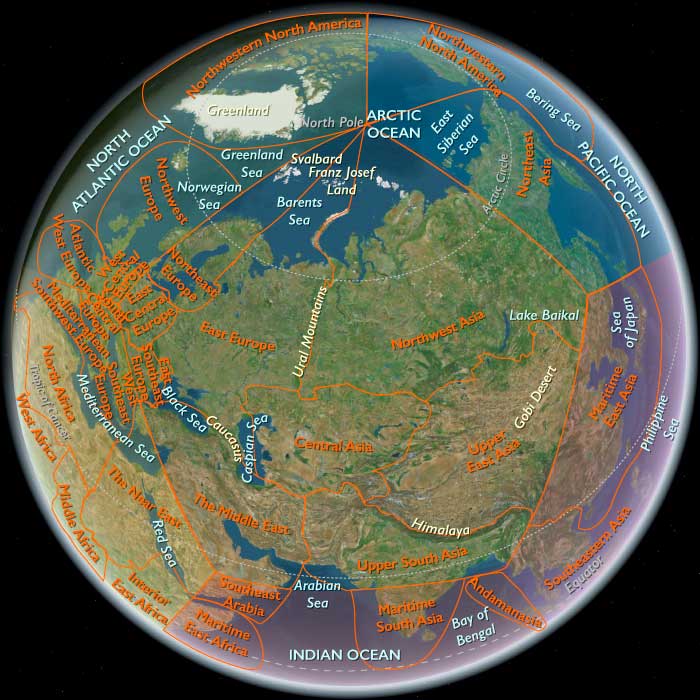
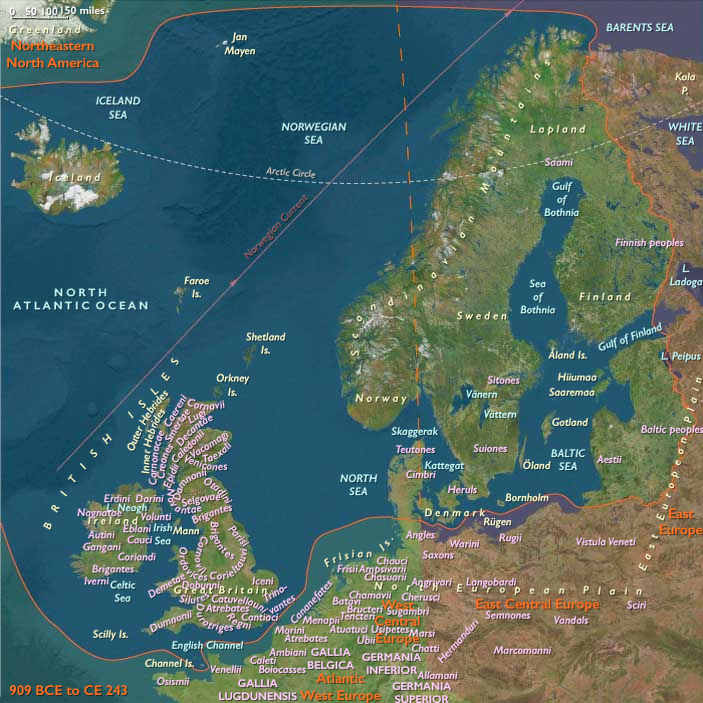
Between 477 BCE and 243 CE, Northeast Europe—encompassing modern Sweden, Finland, the Baltic States, eastern Denmark, eastern Norway, and the southeastern Baltic coast—experienced growing regional integration through expanding exchange networks, iron technology, and increasingly organized settlement systems. While forests, lakes, and waterways continued to dominate the landscape, Baltic and Nordic communities became more interconnected through trade, particularly in amber, iron, furs, and forest products. This period witnessed the emergence of fortified hilltop settlements, increasingly sophisticated agricultural systems, and stronger maritime connections across the Baltic Sea.
Political and Social Developments
Expansion of Baltic Communities
Baltic-speaking populations expanded throughout the Nemunas and Daugava basins, developing increasingly organized agricultural societies. Local leaders gained influence through control of productive farmland, river routes, and exchange networks.
Although political organization remained decentralized, emerging regional elites began exercising greater authority over surrounding settlements.
Development of Baltic Hillfort Traditions
Beginning around the middle of the first millennium BCE, hillforts became increasingly common across Lithuania and Latvia. These fortified centers served as defensive refuges, political gathering places, and symbols of local authority.
The growth of hillforts reflected rising population densities and increasing competition for resources and trade opportunities.
Nordic Iron Age Communities
Southern Scandinavia entered the Nordic Iron Age, characterized by expanding agricultural production, growing social differentiation, and more extensive maritime exchange. Communities increasingly relied upon iron tools and weapons, strengthening both agricultural and military capacities.
Economic and Technological Developments
Growth of Amber Trade
Baltic amber remained one of the region's most important exports. Amber routes linked Northeast Europe with Central Europe, the Roman world, and distant Mediterranean markets.
The increasing demand for prestige goods strengthened long-distance exchange systems and enriched local elites who controlled access to these trade networks.
Expansion of Ironworking
Iron technology spread throughout the region, improving tools, weapons, agricultural implements, and woodworking techniques. Local iron production expanded, particularly in areas rich in bog iron deposits.
Iron tools enabled more effective forest clearance and agricultural expansion, contributing to demographic growth.
Maritime and Riverine Exchange
Water transport remained fundamental to regional economies. Canoes, river craft, and early seagoing vessels linked communities throughout the Baltic basin and along major inland waterways.
Trade in furs, wax, honey, hides, and fish complemented amber exports and helped sustain increasingly complex exchange networks.
Cultural and Artistic Developments
Regional Artistic Traditions
Distinctive Baltic, Finnic, and Nordic artistic traditions developed throughout the period. Ornamented metalwork, pottery, personal adornments, and ritual objects reflected growing regional diversity.
These traditions increasingly incorporated influences transmitted through long-distance trade.
Maritime Symbolism
Ships, waterways, and maritime travel occupied an important place in regional cosmologies. Rock carvings, ritual deposits, and symbolic representations reflected the growing importance of navigation and exchange.
Continuity of Sacred Landscapes
Sacred groves, springs, wetlands, and burial grounds remained central to religious life. Despite technological and economic changes, spiritual systems continued to emphasize close relationships between communities and their environments.
Settlement Patterns and Urban Development
Expansion of Agricultural Villages
Permanent agricultural settlements became increasingly common throughout the Baltic region and southern Scandinavia. Larger villages emerged, supported by cereal cultivation, livestock husbandry, and expanding agricultural infrastructure.
Emergence of Hillfort Centers
Hillforts became focal points of settlement systems, particularly among Baltic-speaking communities. These sites served military, political, and economic functions while reinforcing regional identities.
Continued Finnic Forest Occupation
In Finland, Karelia, and northern Estonia, dispersed settlement systems remained dominant. Fishing, hunting, trapping, and limited agriculture continued to support populations adapted to heavily forested environments.
Religious and Social Developments
Ancestor Cults and Burial Traditions
Burial mounds, cemeteries, and ritual landscapes remained important components of community life. Elite burials became increasingly visible in some regions, reflecting emerging social hierarchies.
Emerging Social Stratification
Control of trade routes, agricultural production, and fortified centers contributed to growing social differentiation. Local elites increasingly displayed status through prestige goods and ceremonial practices.
Long-Term Consequences and Historical Significance
The era from 477 BCE to 243 CE transformed Northeast Europe into a more interconnected and economically integrated region. Baltic hillfort societies, Nordic Iron Age communities, and Finnic forest populations became increasingly linked through trade, technology, and exchange. By the end of the age, expanding agricultural systems, fortified centers, and maritime networks had established many of the foundations that would later support the Baltic trade systems and proto-urban developments of Late Antiquity.

-
{# Image navigates to the detail page; the magnifying-glass chip is the only Fancybox lightbox trigger (kept a separate sibling — anchors can't nest). #}
 The Great Crossroads
World
-
{# Image navigates to the detail page; the magnifying-glass chip is the only Fancybox lightbox trigger (kept a separate sibling — anchors can't nest). #}
 North Europe
Region
-
{# Image navigates to the detail page; the magnifying-glass chip is the only Fancybox lightbox trigger (kept a separate sibling — anchors can't nest). #}
 Northeast Europe
Subregion