
Northeastern North America (1996 to 2007 CE):…
1996 CE to 2007 CE
Northeastern North America
(1996 to 2007 CE): Digital Revolution and Global Challenges
The period from 1996 to 2007 in Northeastern North America was characterized by accelerated technological integration, intensified globalization, critical environmental concerns, and pivotal cultural and political shifts as the region fully entered the digital age.
Technological Integration and Economic Change
Technological advances drove profound transformations in the economy, reinforcing the region's status as a global hub for innovation and finance.
Internet and Tech Industry Growth
Widespread adoption of the internet revolutionized business, education, and daily life. The growth of Silicon Alley in New York City and tech hubs in Boston solidified their roles in digital innovation, e-commerce, and startups, fueling significant economic development.
Finance and Globalization
Wall Street continued to thrive, becoming even more influential in global finance. Deregulation and innovation in financial instruments enhanced the power and reach of regional financial institutions, though these developments also contributed to growing economic inequality.
Cultural Diversity and Social Movements
The region’s cultural landscape evolved significantly, influenced by diverse immigration patterns and active social movements.
Immigration and Multiculturalism
Immigration from Asia, Latin America, Africa, and Eastern Europe continued to enrich cities like New York, Boston, and Philadelphia, fostering multicultural communities and contributing to vibrant urban cultures.
Social Activism and Rights Movements
Activism for LGBTQ+ rights achieved major milestones, including increased legal protections and broader social acceptance. Environmental advocacy gained momentum as communities mobilized around climate change, conservation, and sustainability efforts.
Environmental Concerns and Urban Evolution
Environmental awareness intensified during this era, impacting urban planning and regional policies.
Climate Change and Sustainability
Public and governmental concern about climate change and environmental degradation grew substantially. Cities implemented more sustainable practices, including green building standards, renewable energy initiatives, and enhanced public transportation systems.
Urban Revitalization and Housing Challenges
Urban renewal projects transformed many downtown areas, notably in New York City, Boston, and Philadelphia, enhancing livability and economic vibrancy. However, gentrification continued to raise concerns about affordable housing and displacement.
Political Dynamics and International Affairs
The period witnessed major political shifts, notably influenced by events of global significance.
Political Realignments
Politics in the Northeast leaned increasingly toward centrist and progressive stances. Responses to terrorism, especially following the September 11 attacks in 2001, significantly shaped regional security policies, civil liberties debates, and international engagement.
Global Integration and Security
Post-9/11 security concerns reshaped regional policies, with increased emphasis on counter-terrorism and homeland security. This period also saw strengthened ties with global markets, amplifying discussions on trade, immigration, and economic equity.
Cultural Innovations and Digital Media
Technological advancements fundamentally altered cultural production and consumption.
Digital Media and Communications
Digital media flourished, profoundly influencing journalism, entertainment, and social interactions. New York City cemented its role as a global media capital, embracing digital publishing, streaming media, and online journalism.
Artistic and Cultural Expressions
Cultural life thrived through vibrant film festivals, art exhibitions, and diverse music scenes. Independent film, theater, and the flourishing music industry enriched regional cultural offerings, reflecting the Northeast’s multicultural dynamism.
Legacy of the Era (1996–2007 CE)
From 1996 to 2007, Northeastern North America navigated significant transformations, deeply integrating digital technology into societal fabric, responding to global security challenges, and continuing the pursuit of multicultural inclusivity and environmental responsibility. These developments positioned the region as an influential player in the rapidly evolving global landscape, shaping future economic, social, and cultural trajectories into the 21st century.
Topics
Commodities
Subjects
Regions
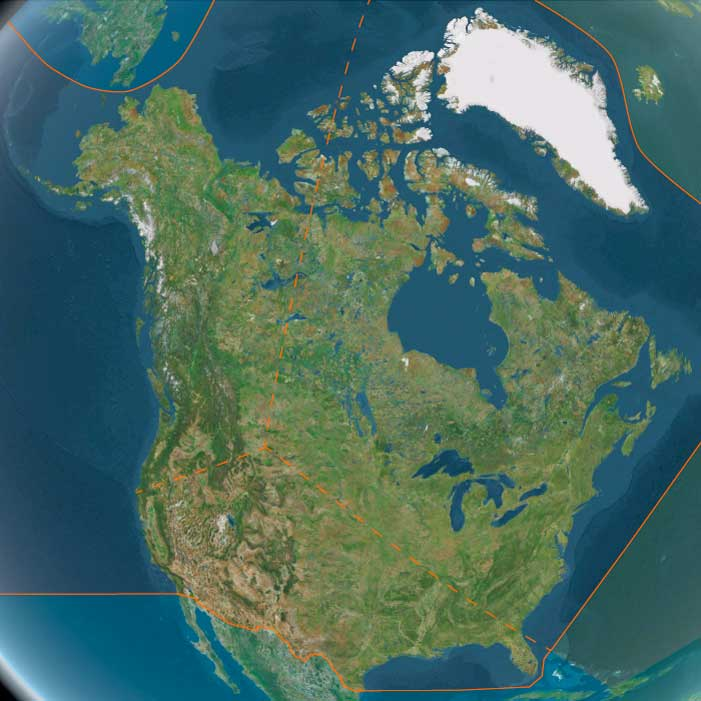
Northern North America
View →Subregions
